

If you are thinking about straightening your teeth but don’t love the idea of highly noticeable metal braces, ceramic braces may have already caught your attention. They offer many of the same benefits as traditional braces while blending in more naturally with your smile.
Still, like any orthodontic treatment, ceramic braces come with both advantages and drawbacks. Before you decide on them, it is best to consult a professional. For example, if you visit an orthodontist in Midtown Atlanta, such as the team at Revé Orthodontics, they will perform a thorough diagnosis based on your goals to determine if ceramic braces are right for you.
What Are Ceramic Braces?
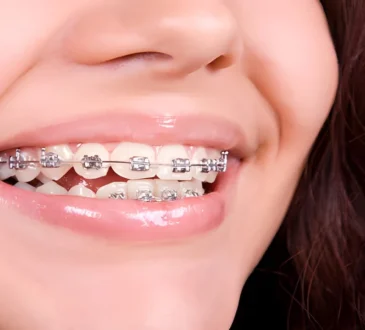
Ceramic braces function much like traditional metal braces. They use brackets and wires to gradually move teeth into better alignment. The main difference is that the brackets are clear or tooth-colored, making them much less noticeable when you smile or speak.
Many orthodontic practices, including Rêve Orthodontics, offer clear brace options for patients who want a more discreet treatment experience.
Benefits of Ceramic Braces
One reason ceramic braces remain popular is that they strike a balance between appearance and effectiveness.
- Less Noticeable Appearance: For many teens and adults, aesthetics matter. Ceramic brackets blend with the natural color of your teeth, making them far less obvious than traditional metal braces. This can help patients feel more confident during treatment.
- Effective for Many Orthodontic Issues: Ceramic braces can successfully treat a wide range of alignment concerns, including:
- Crowded teeth
- Gaps between teeth
- Overbites
- Underbites
- Crossbites
- Rotated teeth
Because they are fixed to your teeth, they work continuously throughout the day.
- More Customization Options: Unlike metal braces, ceramic systems often allow patients to choose from different band colors. Some people prefer clear or subtle shades, while others enjoy adding a little personality to their treatment.
- Comfortable for Daily Life: Modern ceramic brackets are designed to be smoother than older versions. While there may be a short adjustment period, most patients adapt fairly quickly.
Potential Drawbacks of Ceramic Braces
As appealing as ceramic braces can be, there are a few trade-offs worth considering.
- Higher Cost: Ceramic braces generally cost more than traditional metal braces. For some patients, the improved appearance justifies the extra expense, but budget is definitely something to think about.
- Greater Chance of Breakage: Ceramic material is not as strong as metal. The brackets can be more prone to chipping or cracking under excessive pressure, especially if you frequently eat hard foods.
- Staining Concerns: The brackets themselves resist discoloration fairly well, but the elastic ties can stain from foods and drinks like coffee, tea, curry, tomato sauce, or red wine. Regular brushing helps, though occasional staining can still happen.
- Slightly Longer Treatment in Some Cases: Certain ceramic systems create a bit more friction between the wire and brackets. In some situations, this may lead to a slightly longer treatment timeline compared with metal braces.
Final Thoughts
Ceramic braces offer a great balance between appearance and effectiveness. While they are less noticeable than metal braces, factors such as cost, staining, and durability should be considered. An orthodontist can help determine if they suit your smile goals and lifestyle.