
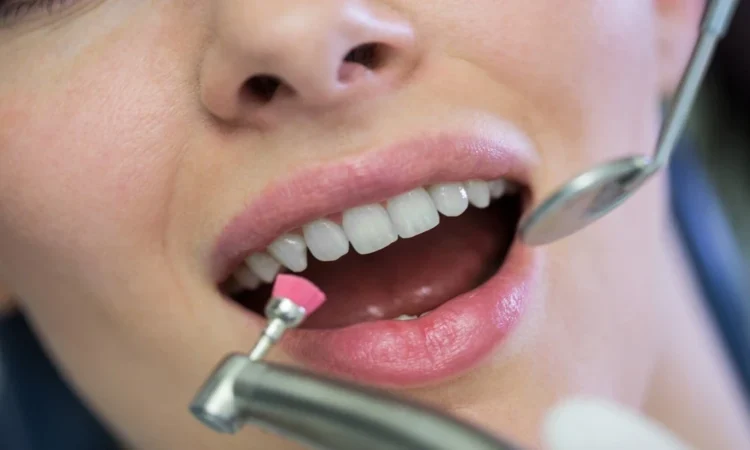
You might be thinking about whitening, bonding, veneers, or a more polished smile, but at the same time, you may worry about ending up with teeth that look too bright, too flat, or simply not like you. That concern is more common than most people realize, and a family dentist in Newbury Park can help guide you toward results that still feel like you. When you want cosmetic changes, you usually do not want a different face. You want to look rested, healthy, and natural.
That is where prevention matters more than many people expect. The short version is simple. Healthy gums, stable enamel, and early treatment of decay give cosmetic work a better foundation, which often leads to results that blend in better and last longer. The role of preventive dentistry in achieving natural looking cosmetic results is not just about avoiding problems. It is about helping every cosmetic choice look believable, feel comfortable, and age well with your smile.
Why does preventive care matter so much before cosmetic dental treatment?
It is easy to see cosmetic treatment as the main event and preventive care as the side note. But when the teeth and gums underneath are not healthy, even beautiful work can look off. If gums are inflamed, the smile line may appear uneven. If enamel is weakened, whitening may create patchy color. If hidden decay is present, a veneer or bonding treatment may cover a problem instead of solving it.
Because of this, many people who want a brighter or more balanced smile first need a careful review of oral health. Good daily habits and regular exams help reduce plaque, protect enamel, and support healthy gum tissue. The National Institute of Dental and Craniofacial Research explains the basics of oral hygiene in a way that makes this connection clear. Clean, healthy teeth are simply easier to improve in a natural way.
So, what can happen when prevention is skipped? A patient may whiten teeth that already have early decay, then feel new sensitivity and still need repair. Another person may invest in bonding while grinding, clenching, or gum irritation goes untreated, which can shorten the life of the work. The cosmetic issue may look fixed at first, but the result often becomes harder to maintain.
What gets in the way of natural looking results when oral health issues are ignored?
Natural looking smiles depend on harmony. Color matters, but shape, texture, gum position, and light reflection matter too. Preventive care helps protect all of that. When plaque and tartar build up, gums can swell or pull back. When decay starts, the tooth structure changes. According to the National Center for Biotechnology Information, dental caries is a disease process that can progress quietly before you notice obvious symptoms.
That quiet damage creates a real problem. You may be focused on what shows in photos, while the tooth is changing in ways that affect how cosmetic work will sit, seal, or reflect light. Even small untreated areas can lead to mismatched edges, dark spots near restorations, or a smile that looks done instead of naturally healthy.
There is also the financial side. Cosmetic treatment often feels like an investment, and it is frustrating to pay for improvements that need repair sooner than expected. Preventive visits, fluoride where appropriate, early fillings, and bite checks can reduce the risk of redoing work. In many cases, a family and cosmetic dentist can map out treatment in the right order so you are not building on an unstable base.
How does preventive dentistry compare with cosmetic only treatment?
If you are weighing timing or cost, it helps to see the difference clearly. Prevention does not compete with appearance. It supports it. Preventive dental care for cosmetic results often means better comfort now and fewer surprises later.
| Approach | What It Focuses On | Likely Short Term Outcome | Longer Term Impact |
|---|---|---|---|
| Cosmetic treatment without preventive care | Color, shape, and visible flaws | Fast visual improvement | Higher risk of sensitivity, uneven gum appearance, hidden decay, or shorter restoration life |
| Preventive care before cosmetic treatment | Gums, enamel, decay detection, bite, and hygiene | May take more planning at first | More stable, natural looking cosmetic outcome and easier maintenance |
| Ongoing maintenance after cosmetic treatment | Cleanings, exams, home care, habit monitoring | Protects the initial result | Helps cosmetic work stay clean, balanced, and believable over time |
If you have ever wondered why one person’s whitening looks smooth and another person’s looks uneven, this is often part of the answer. The tooth surface, existing restorations, hydration, and enamel condition all affect the final look. The NIDCR also explains the tooth decay process, which shows why catching early changes matters before appearance based treatment begins.
What can you do right now to support natural cosmetic dentistry results?
1. Start with health, not shade.
Before choosing whitening, veneers, or bonding, ask for a full exam that includes gum health, decay screening, and a bite review. This helps identify whether your smile needs cleaning, minor repair, or habit management first. Natural looking cosmetic dentistry usually starts with a stable mouth, not a shade chart.
2. Be honest about habits and goals.
If you clench, grind, sip sugary drinks all day, or skip flossing, say so. There is no judgment in that. These details change treatment planning. They also help shape realistic cosmetic choices. If you want a smile that still looks like you, bring old photos and point out what you like. Sometimes the best result is not the brightest option. It is the one that fits your face and age naturally.
3. Protect the result after treatment.
Once cosmetic work is done, maintenance becomes part of the plan. Keep regular cleanings, use the home care tools recommended for your teeth and restorations, and wear a nightguard if advised. A good cosmetic result is not only created in the chair. It is preserved in the months and years after.
Where does that leave you if you want a better smile without losing what makes it yours?
You do not have to choose between beauty and health. In most cases, the best cosmetic outcome depends on both. When prevention comes first, the smile you create has a better chance of looking soft, balanced, and real, rather than obvious or overdone. That is the quiet strength of good planning. It supports the kind of result people notice without quite knowing why.
If you are considering care from a family and cosmetic dentist, ask for a plan that protects your teeth while improving your smile. A natural result usually starts there, with healthy foundations, thoughtful timing, and choices that respect the smile you already have.