
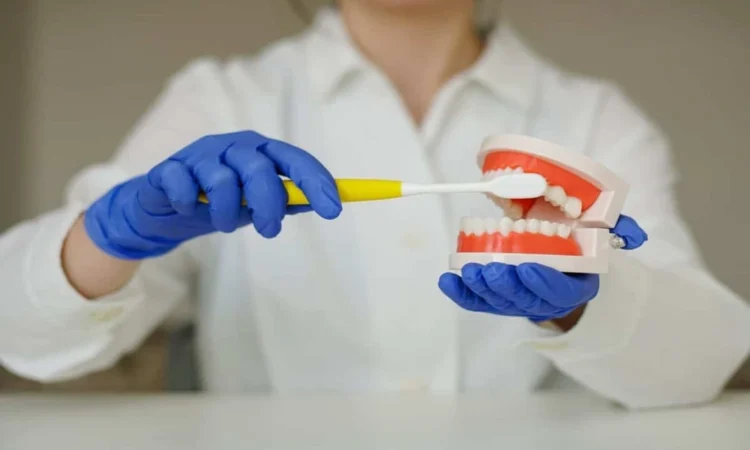
You brush, you floss when you remember, you buy the mouthwash that looked convincing on the shelf, and still something feels off. Maybe your gums bleed a little. Maybe your teeth look fine but never feel fully clean. Maybe you leave a Downtown Toronto dental office visit thinking you should be doing better, without being fully sure what “better” means in your own bathroom, with your own habits, on your own schedule.
That gap is where How General Dentistry Provides Guidance For Better Oral Hygiene Routines becomes real. A general dentist does more than clean teeth and fill cavities. They help you build a routine that fits your mouth, your risks, and your daily life, so you stop guessing and start doing what actually works.
General dentistry connects daily habits to long term oral health
Most people are not ignoring their teeth. They are working off mixed advice, old habits, and product marketing that makes every toothpaste and every tool sound necessary. The result is a routine that feels busy but may still miss the real problem. If plaque is building near the gumline, brushing harder will not solve it. If dry mouth is raising your risk for decay, a whitening rinse will not fix that either.
A general dentist looks at patterns you cannot easily see. They notice where plaque collects, whether your gums are inflamed, whether you grind your teeth at night, and whether certain medications or health conditions are affecting your mouth. That is the value of oral hygiene guidance from a dentist. The advice is not generic. It is based on what is happening in your mouth right now.
That matters because small problems stay small only when they are caught early. A little gum bleeding can turn into deeper gum issues. One area you keep missing with the toothbrush can become a cavity. Bad breath that seems random can point to plaque buildup, dry mouth, or gum inflammation. A routine that is slightly off, repeated every day, adds up.
According to the CDC’s oral health tips for adults, brushing twice a day with fluoride toothpaste, flossing daily, limiting sugary foods and drinks, and seeing a dentist regularly all support better oral health. The basics are simple. The hard part is applying them in a way that matches your needs.
A general dentist helps refine the routine you already have
You do not need a perfect routine to benefit from dental advice. You need an honest one. If you rush through brushing for 30 seconds before bed, that is useful information. If flossing feels painful, that matters. If you skip nighttime brushing because you are exhausted, your dentist can help you build something more realistic instead of handing you a list you will never follow.
That is where general dental care guidance becomes practical. A dentist may suggest a softer toothbrush if you are brushing too hard and irritating your gums. They may recommend floss picks if string floss is the reason you avoid flossing. They may point out that the back molars need more attention, or that an electric toothbrush could help if your brushing technique is inconsistent.
The National Institute of Dental and Craniofacial Research explains in its guide to oral hygiene that plaque is a sticky film of bacteria that constantly forms on teeth, and daily removal is what prevents many common dental problems. That sounds basic, but it changes how you think about your routine. The goal is not to feel productive. The goal is to remove plaque well enough, often enough, to protect your teeth and gums.
Age also changes what your mouth needs. Older adults may deal with dry mouth, exposed roots, or dexterity issues that make brushing and flossing harder. The National Institute on Aging offers practical advice on taking care of your teeth and mouth, including ways to manage these changes before they lead to pain or tooth loss.
Home care and professional guidance work better together
Doing everything at home without checkups can leave blind spots. Relying only on cleanings without improving your routine at home creates the same cycle over and over. The best results usually come from both. One supports the other.
| Approach | What It Helps With | What It Can Miss |
|---|---|---|
| Home care without dental guidance | Daily plaque removal, fresh breath, lower cavity risk when done well | Early decay, gum disease, poor technique, dry mouth causes, grinding damage |
| Dental visits without strong home care | Professional cleaning, exams, early treatment, tailored advice | New plaque buildup between visits, ongoing gum irritation, repeat cavities |
| Home care plus general dentist support | Steady prevention, better technique, earlier problem detection, more efficient routine | Less likely to miss patterns when follow through is consistent |
This is why the role of a general dentist matters beyond the appointment itself. The visit gives you feedback. Your routine carries that feedback into daily life.
Small changes in your oral hygiene routine can prevent bigger problems
Start with technique, not products. Brush for two full minutes, angle the bristles toward the gumline, and cover every surface of every tooth. If you are not sure you are doing it right, ask your general dentist to show you. A short demonstration can fix months or years of guesswork.
Match your tools to your habits. If flossing with string never sticks, switch to floss picks, a water flosser, or interdental brushes if your dentist recommends them. If your hands get tired or your brushing is uneven, an electric toothbrush may make daily care easier and more effective.
Pay attention to patterns, not just pain. Bleeding gums, dry mouth, food trapping, sensitivity, and bad breath are signs worth mentioning. Many dental problems start quietly. When you bring up these small changes early, your dentist can adjust your routine before the issue turns into treatment.
Better oral hygiene routines feel simpler once the guesswork is gone
You are not supposed to figure out every detail of oral care on your own. Good dental habits are easier to keep when they fit your real life and address your actual risks. That is what a general dentist can provide: clear guidance, specific adjustments, and a routine that makes sense for you.
If your current routine feels inconsistent or you are tired of wondering whether you are doing enough, schedule a visit with a general dentist and get advice you can actually use at home.