
Finding the Right Specialist for Your Hair Restoration JourneyHair loss can affect more than appearance, it can influence confidence, styling choices, and everyday interactions. With modern hair restoration techniques offering natural-looking results, choosing the right hair transplant surgeon is an important decision. A skilled specialist evaluates your hair-loss pattern, donor hair availability, scalp condition, facial proportions, and long-term goals before recommending treatment. For individuals exploring options around Chandigarh and nearby areas, it is important to look beyond advertisements and promotional offers. Consider a specialist’s expertise, treatment approach, technology, transparency, and patient care. A detailed consultation can help you understand your options, set realistic expectations, and make a confident decision about your hair restoration journey. Why Choosing the Surgeon Matters
Hair transplantation is both a medical procedure and an aesthetic process. The transplanted follicles need to be positioned carefully to create a result that looks natural rather than artificial.
A skilled hair transplant surgeon considers several factors before recommending treatment, including:
- The cause and pattern of hair loss
- Hairline shape and facial proportions
- Donor-area density
- Hair characteristics and texture
- Number of grafts required
- Existing and future hair-loss patterns
- The patient’s expectations
- Overall scalp condition
This personalised assessment is important because there is no single hair-transplant approach that works equally well for everyone. The surgeon’s role is particularly important when designing the hairline. A hairline that looks appropriate for one person may appear unnatural on another. Age, facial structure, existing hair density, and long-term expectations all influence the final design.
Understanding Hair Transplant Techniques
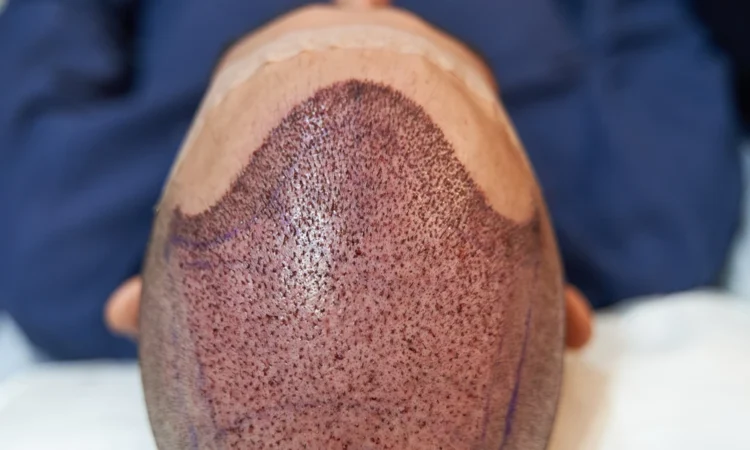
Modern hair transplantation generally focuses on harvesting healthy hair follicles from a suitable donor area and placing them into areas affected by hair loss. Follicular unit extraction (FUE) is one commonly used technique. Individual follicular units are extracted from the donor area and strategically implanted into thinning or bald areas. The placement needs to consider the natural direction, angle, and distribution of existing hair.
Another approach is follicular unit transplantation (FUT), where a strip of donor tissue is removed and divided into individual follicular units for transplantation. The appropriate technique depends on the patient’s circumstances. Rather than selecting a procedure solely because it is popular, patients should discuss their donor area, hair-loss pattern, expectations, and suitability with a qualified specialist.
What to Look for in a Hair Transplant Surgeon
Choosing a hair transplant surgeon should involve more than checking before-and-after photographs. While results can provide useful visual information, patients should also investigate the surgeon’s qualifications, experience, approach, and consultation process.
Consider asking:
1. Is the surgeon medically qualified and experienced?
Hair restoration requires an understanding of scalp anatomy, hair growth patterns, follicular units, and potential complications. Patients should understand who will actually assess and perform their procedure.
2. Does the consultation feel personalised?
A good consultation should involve an assessment of your individual hair loss rather than immediately recommending a fixed number of grafts.
3. Are realistic expectations discussed?
Hair transplantation cannot necessarily restore the same density a person had in their youth. A responsible specialist should explain what can realistically be achieved.
4. Are the results natural-looking?
Look for evidence of natural hairline design, appropriate density, correct hair direction, and consistent graft placement rather than simply focusing on dramatic transformations.
Considering a Specialist Near Chandigarh
People researching a hair transplant surgeon in Zirakpur may come across a wide range of clinics and treatment options. Because the area is accessible to patients from Chandigarh and surrounding regions, it is important to compare specialists based on expertise and treatment philosophy rather than convenience alone. A nearby clinic can make consultations and follow-up appointments easier, but medical expertise should remain the primary consideration.
Clinic Reborn provides information about hair restoration procedures and aesthetic treatments through its website, allowing prospective patients to explore available services and understand the clinic’s approach before scheduling a consultation.
When choosing a hair transplant surgeon, patients may consider Dr. Sandeep Singla, who holds an MBBS, MS (Gold Medalist), and MCh in plastic surgery from KEM Hospital, Mumbai. His website highlights his expertise in cosmetic, plastic, reconstructive surgery, and hair transplantation, along with a focus on personalised care and advanced technology.
Why Consultation Should Come Before Treatment
A consultation is an important part of the hair restoration process. It gives the surgeon an opportunity to understand the patient’s concerns while allowing the patient to ask questions and understand the recommended treatment.
- The cause of your hair loss
- Whether you are suitable for transplantation
- Recommended graft numbers
- Donor-area assessment
- Hairline design
- Expected growth timeline
- Recovery and aftercare
- Potential risks and complications
- Future hair-loss management
This conversation can also help identify whether transplantation is actually the most appropriate option. In some cases, patients may benefit from medical management or other treatments before considering surgery.
Understanding the Role of Dr. Sandeep Singla
When researching specialists, patients may also come across Dr. Sandeep Singla, whose professional website provides information about his medical expertise and approach to hair restoration and related treatments. Looking at a specialist’s professional background can be a useful part of the research process. However, every patient should still undergo an individual consultation to understand whether a particular procedure is suitable for their specific hair-loss pattern and goals.
Don’t Choose a Clinic Based Only on Price
Cost is understandably an important consideration, but choosing the cheapest hair-transplant option may not always be the best decision. Hair transplantation is a long-term aesthetic investment. Poor graft placement, inappropriate hairline design, inadequate donor management, or unrealistic treatment planning can affect the final appearance and may be difficult to correct. Instead of comparing clinics only by price, consider the overall value of the treatment. This includes surgeon expertise, consultation quality, technology, safety standards, treatment planning, aftercare, and the transparency of the clinic.
Someone searching for the best hair transplant doctor in Chandigarh should therefore compare qualifications, experience, patient suitability, and realistic outcomes rather than relying solely on online rankings or promotional offers.
Looking Beyond Popularity
Online reviews and social media can be helpful when researching a clinic, but they should not be the only source of information. Patient experiences can vary, and individual results depend on factors such as donor availability, hair characteristics, age, genetics, and ongoing hair loss. Similarly, the phrase best hair transplant doctor in India can mean different things to different patients. There is no universal ranking that can determine which surgeon is ideal for every person.
The more useful question is: Which qualified specialist is appropriate for my specific hair-loss condition and expectations?
Preparing for Your Hair Transplant Consultation
Before your appointment, make a list of questions and concerns. If possible, note when your hair loss began, whether it runs in your family, what treatments you have previously tried, and what type of result you hope to achieve. You can also ask about the expected recovery period, when new growth may become visible, and how future hair loss may be managed.
Being open about your expectations allows the specialist to recommend a treatment plan that is medically appropriate and aesthetically realistic. For additional information about hair restoration and related aesthetic treatments, you can explore our hair transplant-related services and browse the clinic’s educational resources. Clinic Reborn offers hair transplantation with a focus on natural-looking hairlines, personalised treatment plans, advanced FUE techniques, minimally invasive procedures, and comprehensive post-treatment care. Explore the hair transplantation treatment to learn more about the procedure and consultation process
Making an Informed Decision
Selecting a hair transplant surgeon is a decision that deserves time and careful research. A successful hair restoration journey depends not only on the technique used but also on diagnosis, planning, donor management, hairline design, surgical precision, and aftercare.
Rather than choosing a clinic based on a single advertisement, compare credentials, treatment approaches, patient reviews, consultation quality, and realistic expectations. If you are considering hair restoration and want to discuss your individual concerns, you can contact us to learn more about the consultation process. The right specialist should make you feel informed rather than pressured. With proper evaluation and personalised planning, hair restoration can become a carefully considered step towards improving both appearance and confidence.
FAQs
1. How do I choose the right hair transplant surgeon?
Look for a medically qualified specialist with relevant hair-restoration experience, a personalised consultation process, realistic treatment recommendations, and evidence of natural-looking results. Discuss donor availability, graft requirements, hairline design, recovery, risks, and expected outcomes before making your decision.
2. Is FUE suitable for everyone?
FUE may be suitable for many patients, but candidacy depends on factors including donor hair density, hair-loss pattern, scalp condition, overall health, and expectations. A specialist should evaluate these factors during consultation before recommending FUE or another restoration approach.
3. How important is hairline design in transplantation?
Hairline design is extremely important because it strongly influences whether the final result appears natural. A skilled specialist considers facial proportions, age, existing hair, density, and future hair loss when designing a hairline that complements the patient’s appearance.
4. When should I consult a hair transplant surgeon?
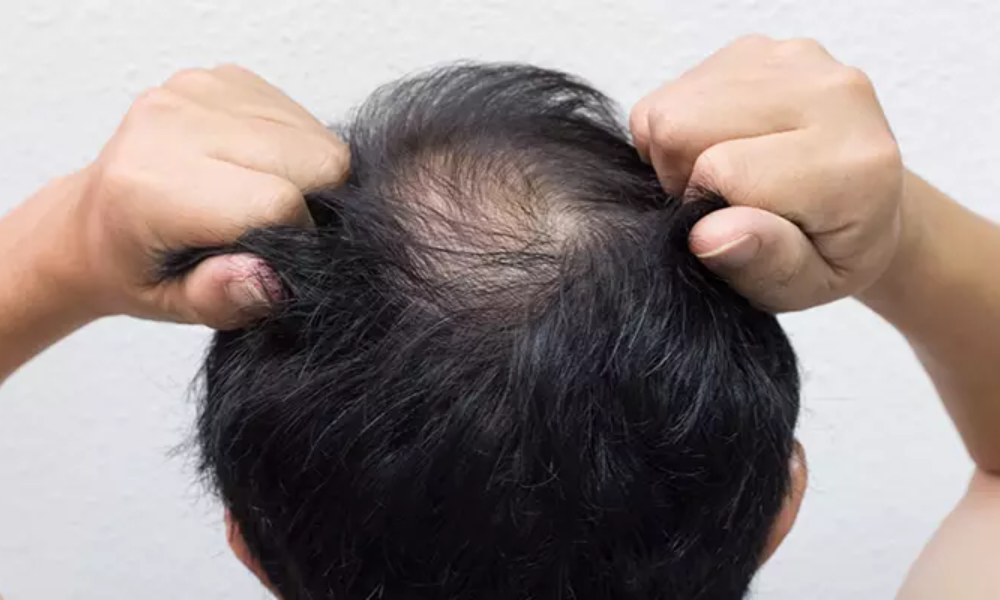
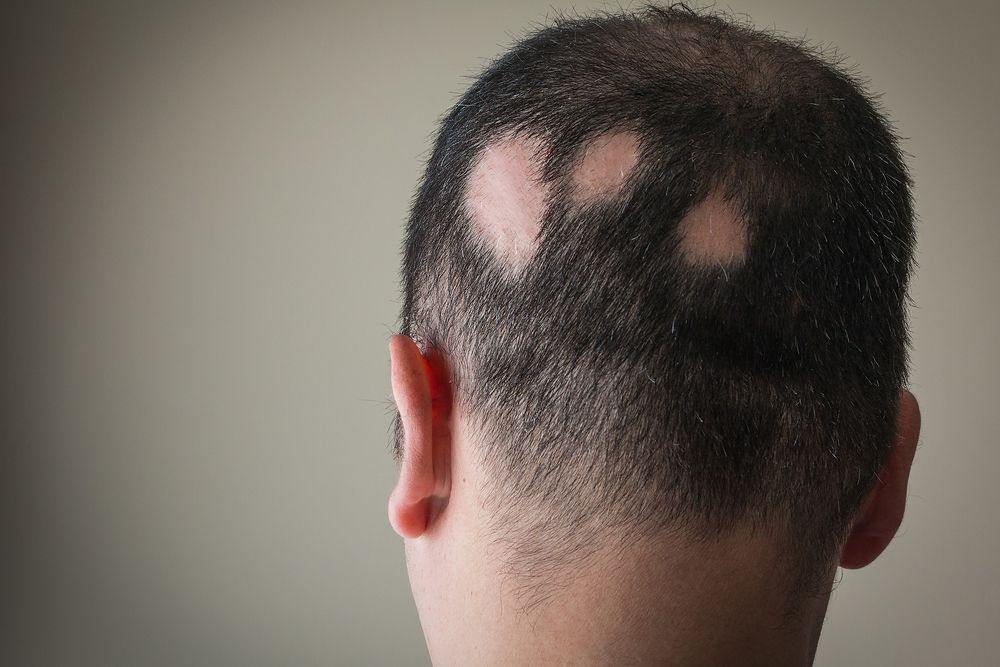
Consider consulting a specialist when persistent thinning, a receding hairline, or bald patches are affecting your confidence or appearance. An early assessment can help determine the cause of hair loss and whether medical treatment, monitoring, or transplantation may be appropriate.