
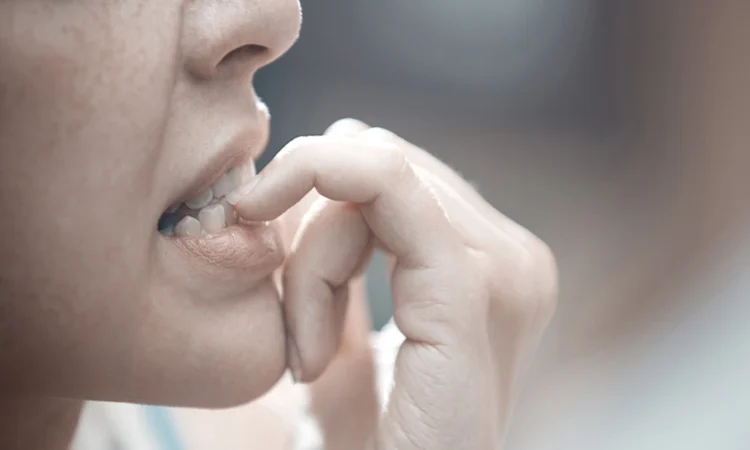
You might be feeling a mix of relief and worry right now. Relief because your crown, filling, or veneer finally fixed that painful tooth. Worry because in the back of your mind you are thinking, “What if I mess this up and have to do it all over again?” That’s why it’s important to follow your aftercare instructions closely and visit a dentist near Westfield Valencia Town Center if you notice anything unusual or uncomfortable.
Maybe you have already invested in several restorations, and every time you bite into something a little too hard, you wonder if this will be the moment something cracks. Or you catch yourself chewing ice, or grinding your teeth when you are stressed, and you think, “Is this ruining my dental work?”
You are not alone in that fear. Dental restorations are strong, but they are not indestructible. The good news is that many problems do not come from bad luck. They come from everyday habits you can actually change. In simple terms, there are three big patterns that quietly wear down crowns, fillings, and other work. Biting on hard objects, grinding and clenching, and neglecting daily care.
So where does that leave you? You do not need to live in constant fear of breaking something. With a little awareness and a few practical changes, you can protect your restorations, save money, and avoid emergency visits that always seem to show up at the worst possible time.
How do everyday habits quietly damage crowns, fillings, and veneers?
Think about how much your mouth does in a day. You chew, talk, clench when you are stressed, maybe snack late at night. Your teeth and restorations take the hit every time. The problem is that damage rarely happens in one dramatic moment. It usually builds slowly, until one day a corner of a crown chips off or a filling fractures.
Understanding these habits is the first step. Once you can see them clearly, it becomes much easier to change them.
Habit 1: Chewing hard objects “just this once”
You might catch yourself crunching on ice, hard candy, pens, fingernails, or even biting into things like olive pits or unpopped popcorn kernels. It feels harmless, and often it is just a reflex when you are bored or distracted.
The trouble is that restorations like crowns and fillings are designed to handle normal chewing, not repeated crushing forces on very hard objects. Over time this can cause tiny cracks in the porcelain or composite. These tiny cracks may not hurt at first, but they can grow until part of the restoration breaks off.
Imagine this. You have a beautiful porcelain crown that finally made a dark, damaged tooth look normal again. One night while watching TV, you crunch ice out of your glass. You hear a faint “click” and think nothing of it. A few days later, a piece of your crown chips away while you are eating something soft. It feels sudden, but the real damage started with those tiny, repeated crunches.
If you have crowns or are thinking about them, it can help to understand what they are built to do. The American Dental Association explains on its MouthHealthy site how dental crowns work and what to expect from them. You can read more about crowns and their care in this helpful overview from the ADA at this dental crown guide.
Habit 2: Grinding and clenching from stress or sleep
Grinding and clenching, also called bruxism, can be especially hard on restorations. You might notice jaw tension during the day, or you might wake up with a headache or sore teeth and have no idea you are grinding at night.
When you grind, your teeth move against each other with far more force than normal chewing. That pressure can wear down fillings, flatten the biting surfaces of crowns, and even loosen or crack them. If you have veneers on your front teeth, grinding can chip or break the edges, undoing both the cosmetic and functional benefits you paid for.
There is also an emotional side to this. Many people who grind are already under stress from work, family, or money concerns. The last thing they need is another bill for repairing something that was already fixed. Because of this tension, you might ignore the signs and hope they go away, but ignoring grinding usually means more wear and more risk over time.
Medical sources such as MedlinePlus describe tooth disorders, including wear and damage, and how habits like grinding can play a role. For a straightforward medical overview, see this resource on tooth disorders and damage.
Habit 3: Skipping daily care because “it was already fixed”
It is easy to think that once a tooth has a crown or a large filling, the problem is solved for good. You might brush quickly, skip flossing, or put off checkups because you assume the restored tooth is safe.
The reality is that the tooth under a restoration is still a living structure. Bacteria can sneak in at the edges if you do not keep the area clean. That can lead to decay under a filling or at the margin of a crown. When that happens, the restoration may need to be replaced, and sometimes the tooth itself may need more advanced treatment.
There is also the financial weight of this. Each new restoration costs time, money, and energy. Re-doing work often costs more than the original repair, because more tooth structure may be lost. So something that feels small, like skipping floss “just for a while,” can quietly build toward a much bigger problem.
What is really at stake if these habits continue?
So what if you keep chewing hard foods, grinding at night, and brushing only when you remember. What does that actually mean for your restorations and your comfort in the long run?
It often comes down to three things. Pain, cost, and trust. Pain, because cracks and decay eventually reach the nerve of the tooth. Cost, because replacing crowns, veneers, and large fillings adds up quickly. Trust, because once something you invested in fails, it is easy to lose confidence in your teeth and even in the idea of dental care itself.
That is why protecting your dental restorations from everyday damage is not just about the teeth. It is about your peace of mind. You deserve to eat, talk, and smile without feeling like something might break at any moment.
How do your choices compare: risky habits vs protective habits?
Sometimes it helps to see the trade-offs in simple terms. This comparison can make your next choice a little clearer when you are tempted to chew ice or skip the night guard.
| Habit or Choice | Short-Term Feeling | Long-Term Effect on Restorations | Typical Outcome |
|---|---|---|---|
| Chewing ice, hard candy, or pens | Feels satisfying or calming | Microcracks in crowns and fillings, higher risk of sudden chips | Unexpected breakage during normal eating |
| Using teeth to open packages | Quick and convenient | Excess stress on front teeth and veneers | Chipped edges, fractured veneers or fillings |
| Ignoring grinding or clenching | No effort needed right now | Wear on biting surfaces, loose or cracked restorations | Jaw pain, headaches, repeated dental work |
| Wearing a custom night guard | Mild adjustment period | Protects enamel and restorations from grinding forces | Longer life for crowns, fillings, and veneers |
| Brushing only once a day, rarely flossing | Less time spent on oral care | Higher risk of decay at restoration edges | Need to replace or redo previous work |
| Consistent brushing and daily flossing | Small daily time investment | Cleaner margins around restorations, less decay | Restorations last longer and feel more stable |
What can you do right now to protect your dental work?
Knowing the problem is helpful, but you might be wondering what you can actually do today, not months from now.
1. Break the “hard object” habit with simple replacements
Notice when you tend to chew on hard things. Is it while working at a desk, driving, or watching TV. Once you see the pattern, put safer options within reach. Sugar free gum, a soft chewable snack, or even a stress ball for your hands can help. The goal is not to rely on willpower alone, but to make the risky choice a little harder and the safe choice a little easier.
2. Address grinding and clenching with your general dentist
If you wake with sore jaws, headaches, or sensitive teeth, bring it up with your dentist. A general dentist can check for signs of wear on your teeth and restorations and may recommend a custom night guard. This is not just an extra gadget. It is a shield that can prevent heavy forces from reaching your crowns and fillings while you sleep.
3. Treat restored teeth as “high-priority” for daily care
Make brushing twice a day and flossing once a day non-negotiable, especially around any crowns, bridges, or large fillings. Angle the floss gently around the sides of the restoration to clean where the tooth and material meet. This is where decay often begins. Regular checkups and cleanings give your dentist a chance to spot early issues before they turn into big repairs.
Where do you go from here with your restored smile?
You have already done something important. You took the time to understand how your habits affect your dental work. That alone puts you ahead of the curve.
Protecting your restorative dental work is not about perfection. It is about small, steady changes. Swapping the ice for something softer. Talking honestly with your dentist about grinding. Giving your teeth two extra minutes of care each day.
You deserve restorations that last, and a smile you can trust. One choice at a time, you can give your crowns, fillings, and veneers the best chance to stay strong for years to come.