
You might be looking in the mirror, noticing that your front teeth do not touch, and wondering whether this is only a cosmetic issue or something that could affect your bite, speech, or comfort over time. That uncertainty can sit in the background for months, sometimes years, especially if eating feels awkward or you have been told different things by different providers. If that sounds familiar, you are not overreacting. A Chicago orthodontist can explain whether an open bite is contributing to the problem. An open bite can be frustrating because it often affects daily life in small but constant ways.
The short answer is that there is no single fix for every case. Open bite treatment options can include habit appliances, braces, clear aligners, elastics, and in some cases jaw surgery. The right choice depends on what caused the bite to open in the first place, your age, how severe the problem is, and whether the issue is mostly dental, mostly skeletal, or a mix of both.
Why does an open bite happen, and why does the cause matter so much?
An open bite means there is a vertical gap between the upper and lower teeth when you close down. For some people, the front teeth stay apart. For others, the gap is farther back. It can start with thumb sucking, tongue thrust, mouth breathing, jaw growth patterns, or a combination of factors. Because of this, treatment is not just about moving teeth into a prettier line. It is about understanding what keeps the bite open.
That is where things can feel confusing. If a child has a habit that pushes the teeth out of place, a provider may suggest a habit appliance to interrupt the pattern and support normal development. If an adult has a skeletal open bite, though, simply stopping a habit may not be enough. Teeth can be aligned beautifully, yet the bite may relapse if the deeper cause is left alone. So, where does that leave you?
It leaves you needing a careful diagnosis from an orthodontist, not just a quick look at crooked teeth. In many cases, the success of anterior open bite correction depends on whether treatment addresses muscle function, airway concerns, growth, and jaw position along with tooth movement.
How do habit appliances, braces, and aligners compare in real life?
For younger patients, habit appliances are often used when thumb sucking or tongue posture is part of the problem. These appliances do not just block a habit. They can help create the conditions for the bite to close as growth continues. This can be a relief for parents who want to act early and avoid more involved care later.
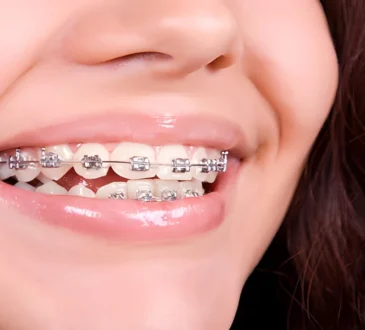
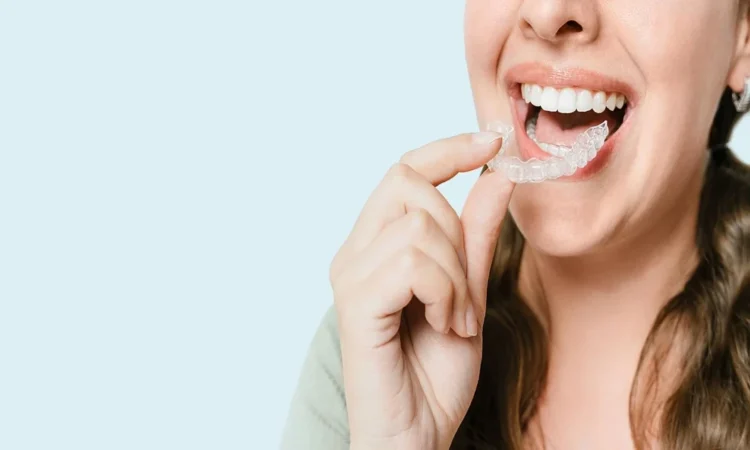
Braces remain a common choice for many open bite cases because they give the orthodontist detailed control over tooth movement. They can be paired with elastics, temporary anchorage devices, or other mechanics to help close the bite. Clear aligners are also being used more often for open bite correction, especially in mild to moderate cases, and some research suggests they can be effective when treatment planning is precise. If you want to review current findings, this study on clear aligners for open bite cases offers useful insight.
Still, aligners are not magic. They depend heavily on wear time, and not every open bite responds the same way. In more severe skeletal cases, surgery may be part of treatment. That can sound intimidating, but for some adults it offers the most stable path when the upper jaw, lower jaw, or both are positioned in a way that braces or aligners alone cannot fully correct.
What should you weigh before choosing a treatment path?
It helps to compare options side by side, especially when cost, appearance, age, and long term stability all matter. Research also points to the importance of retention and follow through, since open bites can relapse if tongue posture or growth patterns continue to work against the result. This recent publication on open bite outcomes highlights why stability should be part of the conversation from the start. For a deeper academic review of diagnosis and management, this University of Washington orthodontic paper is also worth reading.
| Treatment option | Best fit | Main benefit | Possible limit |
|---|---|---|---|
| Habit appliance | Children with thumb sucking or tongue habit | Targets the cause early | Less useful if the bite issue is skeletal |
| Braces | Teens and adults with dental or mixed open bite | Strong control of tooth movement | More visible and may need extra mechanics |
| Clear aligners | Mild to moderate cases with good compliance | Less visible and removable | Results depend on wear time and case design |
| Surgery with orthodontics | Severe skeletal open bite | Can address jaw position directly | Higher cost, longer recovery, more planning |
What can you do right now if you are trying to make sense of dental open bite treatment?
1. Get a diagnosis that goes beyond the teeth. Ask whether the open bite is dental, skeletal, or both. Ask about tongue posture, airway, habits, and jaw growth. A good plan starts with the cause, not just the gap.
2. Ask about stability, not only speed. It is natural to want the fastest route, especially if the bite affects your confidence. Still, a result that looks good for six months and relapses later is not really a win. Ask what retention will look like and what could cause the bite to reopen.
3. Be honest about your lifestyle. If you know you will not wear aligners as directed, that matters. If your child still has a strong oral habit, that matters too. The best treatment is the one that fits real life and can be followed consistently.
Where does that leave you now?
If you have been feeling torn between waiting, hoping it improves on its own, or rushing into the first treatment suggested, take a breath. Open bites can be treated, but the best results usually come from matching the method to the cause. Sometimes that means early habit intervention. Sometimes it means braces or aligners. Sometimes it means accepting that a more involved plan is the most honest answer.
You do not need to figure it all out at once. Start with a clear evaluation from an orthodontist, ask direct questions, and focus on a plan that supports both correction and stability. That is often the difference between a temporary fix and a bite that truly works better every day.