
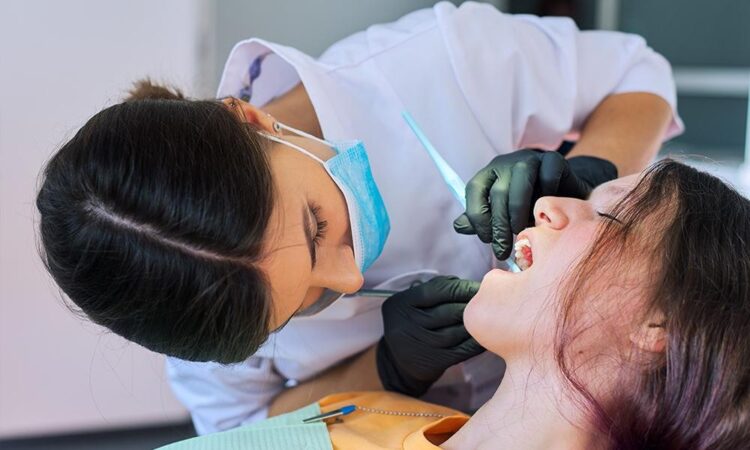
Preventive dentistry plays a crucial role in maintaining oral health at every stage of life. By focusing on early detection, routine care, and healthy habits, preventive measures help avoid serious dental problems and promote overall well-being. Understanding its importance can encourage individuals and families to prioritise regular dental visits, especially when looking for a dentist near me to ensure consistent and professional care.
Children and Teens
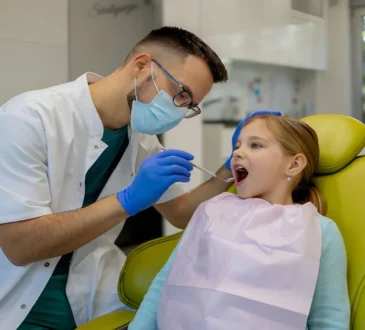
For children and teenagers, preventive dentistry lays the foundation for lifelong oral health. Regular check-ups help monitor the development of teeth and jaws, ensuring that alignment and bite issues are identified early. Fluoride treatments and dental sealants protect young teeth from decay, while guidance on proper brushing and flossing establishes healthy habits. Preventive care at this stage reduces the risk of cavities, gum problems, and the need for more complex treatments in the future.
Adults
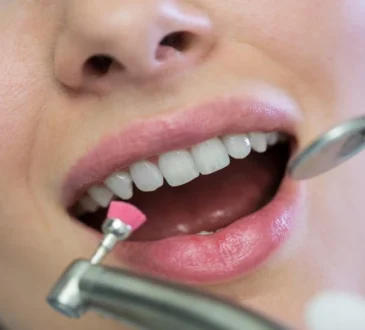
Adults benefit from preventive dentistry by addressing the cumulative effects of lifestyle, diet, and daily habits on oral health. Routine cleanings remove plaque and tartar, preventing cavities and gum disease. Dentists also screen for early signs of oral cancer, bite problems, and other conditions that may not be immediately noticeable. Preventive care empowers adults to maintain their teeth and gums, avoid costly treatments, and enjoy a confident, healthy smile.
Seniors
For older adults, preventive dentistry is essential in managing age-related dental concerns. Gum recession, tooth wear, and dry mouth are common challenges that can increase the risk of decay and infection. Regular dental visits allow for early detection and management of these issues, helping seniors maintain oral function and overall health. Preventive care also ensures that dentures, implants, and other dental restorations remain effective and comfortable.
Benefits of Preventive Dentistry
Preventive dentistry reduces the likelihood of cavities, gum disease, and tooth loss. It encourages good oral hygiene habits, educates patients about diet and lifestyle choices, and allows dentists to detect problems early, when they are easier and less costly to treat. By emphasising prevention, patients can avoid pain, extensive procedures, and long-term dental complications.
Establishing a Routine
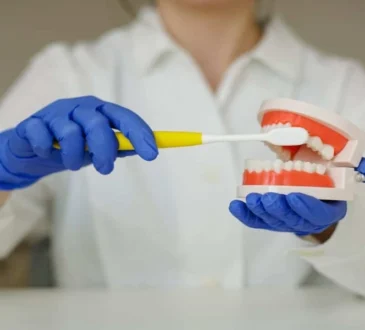
Maintaining a consistent preventive routine is key to lasting oral health. Regular dental check-ups, professional cleanings, and at-home care such as brushing and flossing are essential for all age groups. Patients should also follow their dentist’s recommendations for fluoride treatments, sealants, and other preventive measures tailored to their specific needs.
Conclusion
Preventive dentistry is important for everyone, from children and teenagers to adults and seniors. It protects against dental problems, promotes healthy habits, and helps maintain a strong, attractive smile. By prioritising regular check-ups, professional cleanings, and proper oral hygiene, individuals can ensure long-term oral health and enjoy the benefits of a confident smile at every stage of life.