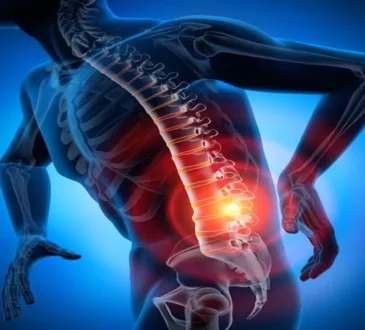


Ongoing spine pain can be frustrating, especially when a patient has already tried rest, medication, therapy, or activity changes. At first, a care plan may seem reasonable based on symptoms, exam findings and imaging. Yet pain that lingers, worsens, or begins to affect new areas may need another review. Dr. Larry Davidson, a board-certified neurosurgeon with fellowship training in complex spinal surgery, highlights the need to reassess pain when the original explanation no longer fits the patient’s daily experience.
A second look does not mean the first evaluation was wrong. Spine symptoms can change over time, and the body’s response to treatment can provide new information. A reassessment can help clarify whether the diagnosis remains accurate, whether conservative care needs adjustment, or whether a different problem has become more important.
Recognizing When Pain Persists Too Long
Many episodes of back and neck pain improve within days or weeks. Mild strain, short-term inflammation, or activity-related soreness may settle with guided movement, medication, and time. Persistent pain is different because it can affect sleep, work, mood, and daily routines.
Patients may need another review when pain continues despite following the recommended plan. This is especially true when symptoms persist for several weeks, recur quickly after brief relief, or become harder to manage. Persistent pain deserves attention because it may point to a diagnosis that needs refinement.
Noticing Changes in Pain Pattern
A change in pain pattern can be an important reason to seek reassessment. Pain that once stayed in the lower back may begin traveling into the buttock, thigh or foot. Neck pain may start moving into the shoulder, arm, or fingers. These changes can suggest nerve irritation.
The quality of pain may also shift. Aching discomfort may become burning, electric or shooting. Numbness or tingling may appear. These details can help clinicians decide whether the condition has changed, whether a nerve is involved, or whether another source should be considered.
When Function Begins to Decline
Pain intensity matters, but function often shows the real impact. A patient may tolerate discomfort for a while, then realize walking, standing, lifting, sitting, or sleeping has become more difficult. These limits can show that the problem is affecting life beyond ordinary soreness.
Functional decline can also guide urgency. Trouble climbing stairs, reduced grip strength, dragging a foot or needing more breaks during routine tasks may suggest more than pain sensitivity. A second look can help identify whether symptoms are stable or whether nerve function, strength, or mobility needs closer attention.
Reviewing Imaging with Fresh Context
Imaging may be useful during reassessment, but it should be reviewed alongside current symptoms. A scan from several months earlier may not reflect new weakness, numbness or pain that now travels into a limb. In other cases, imaging findings may be present but unrelated to the pain.
Dr. Larry Davidson has pointed out, “If we can clearly identify a specific pathology that matches the patient’s symptoms and they have fully exhausted conservative treatments, surgery may become a reasonable option.” This approach helps keep treatment tied to the actual source of symptoms rather than assumptions from an earlier stage of care.
Looking at Treatment Response
A patient’s response to treatment can be useful information. Physical therapy may improve flexibility but not reduce radiating pain. Medication may ease inflammation but cause side effects. Injections may provide short-term relief, no relief, or helpful diagnostic clues.
A second look can help determine whether the treatment plan needs adjustment. This may mean changing therapy goals, reviewing medication, ordering updated imaging, or considering a different source of pain. Repeating the same plan without progress may not be helpful.
Considering Other Possible Causes
Ongoing pain does not always come from the first suspected source. Hip arthritis, sacroiliac joint irritation, peripheral nerve problems, vascular issues, and muscle conditions can mimic spine pain. In the neck and shoulder region, rotator cuff disease or nerve compression outside the spine may create similar symptoms.
A reassessment allows clinicians to broaden the review. The physical exam may compare strength, reflexes, sensation, joint movement, and walking pattern. This helps avoid focusing only on the spine when another condition may be contributing.
Watching for Warning Signs
Some symptoms should not wait for a routine appointment. Loss of bladder or bowel control, numbness in the groin area, rapidly worsening weakness, trouble walking or severe pain after trauma call for prompt medical attention. Fever with back pain or unexplained weight loss also needs review.
Other symptoms may not be emergencies, but still deserve timely attention. Pain that spreads farther into an arm or leg, numbness that becomes more frequent, or daily function that continues to decline can signal a need to revisit the plan. Waiting too long may make recovery more difficult.
Preparing for a Second Evaluation
Patients can make a second evaluation more useful by bringing clear information. Helpful notes include when the pain changed, where it travels, what treatments were tried, and which activities are now harder. A short record of walking distance, sleep disruption, weakness or numbness can give the visit structure.
Prior imaging, medication lists, therapy notes and injection records may also help. Patients do not need to use medical language. Specific examples from daily life often provide the clearest picture of whether the condition has changed or the plan is not working.
Taking a Second Look at Ongoing Pain
Ongoing pain may require a second look when it persists, changes pattern, limits function or fails to respond to treatment as expected. Reassessment helps connect symptoms, imaging, exam findings, and treatment response more clearly.
The goal is not to rush toward a procedure or dismiss the original plan. It is to understand why pain continues and whether the current approach still fits. With updated information, patients and clinicians can make better decisions about conservative care, testing, specialist review, or other treatment options. That clarity can reduce uncertainty, help the next step reflect current symptoms rather than assumptions from an earlier stage of care, and give patients a clearer role in the decision process.