
That shooting pain down the back of your leg isn’t just a bad muscle day. If it starts in your lower back or buttock and radiates down one leg, sometimes all the way to your foot, there’s a good chance you’re dealing with sciatica. Most people try to push through it with rest and painkillers, and for mild cases, that’s often enough. But sciatica doesn’t always resolve on its own, and knowing when it’s time for proper Sciatica Treatment in Mumbai can save you weeks, sometimes months, of unnecessary discomfort.
What Sciatica Actually Is
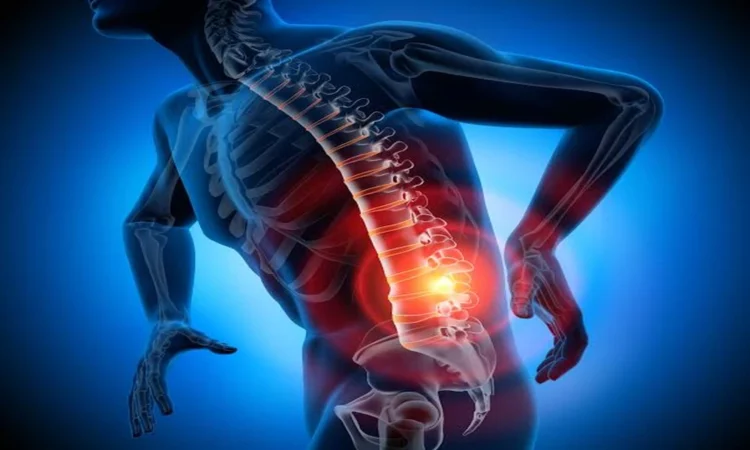
Sciatica happens when the sciatic nerve, the longest nerve in your body, gets irritated or compressed, usually due to a herniated disc, spinal narrowing, or muscle tightness pressing against it. Because this nerve runs from your lower back through your hips and down each leg, the pain rarely stays put. It travels, and that’s often the first clue that you’re not dealing with an ordinary muscle strain.
7 Warning Signs You Shouldn’t Ignore
1. Pain That Radiates Below the Knee
Lower back pain that stays in the back is one thing. Pain that travels past your knee and into your calf or foot suggests nerve involvement rather than a simple muscular issue.
2. Numbness or Tingling Down the Leg
A “pins and needles” sensation or patches of numbness along the leg or foot is a classic sign of nerve compression, not muscle fatigue.
3. Weakness in the Leg or Foot
If you’re noticing your foot dragging slightly, difficulty pushing off when you walk, or a leg that feels like it might give way, this points to nerve involvement that needs prompt evaluation.
4. Pain That Worsens With Sitting
Many people with sciatica find sitting, especially for long stretches, makes the pain noticeably worse, while standing or walking sometimes brings temporary relief.
5. No Improvement After Two to Three Weeks
Mild sciatica often eases within a couple of weeks with rest and gentle movement. If it isn’t budging by then, it’s a signal that the underlying cause needs a closer look.
6. Pain That Disrupts Sleep
Sciatica that wakes you up at night or makes it hard to find a comfortable position is often a sign the irritation is more significant than a passing strain.
7. Loss of Bladder or Bowel Control
This is rare but serious. Combined with leg weakness and numbness, it can indicate a compressed spinal nerve root requiring urgent medical attention, not a wait-and-see approach.
Why an Accurate Diagnosis Matters
Sciatica isn’t a diagnosis in itself, it’s a symptom, and treating it effectively means finding out what’s actually pressing on the nerve. A herniated disc, spinal stenosis, and piriformis muscle tightness can all produce similar leg pain but need different treatment approaches. This is why self-treating with generic back exercises sometimes doesn’t help, and occasionally makes things worse.
How a Sciatica Specialist in Mumbai Approaches Treatment
A Sciatica Specialist in Mumbai typically starts with a detailed clinical assessment and, where needed, imaging to confirm exactly which structure is compressing the nerve. At Painacea, this diagnosis-first approach is led by Dr. Sidharth Verma, who focuses on identifying the precise source of nerve irritation before recommending a treatment path, rather than defaulting to the same protocol for every patient.
Most cases of sciatica respond well to non-surgical care, physiotherapy, targeted medication, or minimally invasive procedures such as epidural injections or nerve blocks that reduce inflammation around the affected nerve root. Surgery is generally reserved for cases involving significant weakness, loss of function, or when conservative treatment hasn’t worked after a reasonable trial period.
When to Consult a Pain Specialist
If you’re noticing two or more of the signs above, particularly numbness, weakness, or pain that isn’t easing after a few weeks, it’s worth consulting a Pain Specialist in Mumbai rather than continuing to manage it with rest alone. Sciatica tends to respond better the earlier it’s properly assessed, and waiting it out often just prolongs the discomfort.
FAQs
How do I know if it’s sciatica or just a muscle strain?
Sciatica typically causes pain that radiates from the lower back down one leg, often with tingling or numbness, while a muscle strain usually stays localized and improves with rest within a few days.
Can sciatica go away on its own?
Mild sciatica often improves within a few weeks with rest, gentle movement, and basic care. Pain that persists beyond that, or comes with weakness or numbness, needs a proper evaluation.
What is the most common cause of sciatica?
A herniated or bulging disc pressing on the sciatic nerve is the most common cause, though spinal stenosis and piriformis muscle tightness can also produce similar symptoms.
Is walking good or bad for sciatica?
Gentle walking is often helpful and can ease symptoms for many people, though this varies by individual and underlying cause, so it’s worth checking with a specialist if pain worsens with activity.
Do I need surgery for sciatica?
Not usually. Most cases improve with physiotherapy, medication, or minimally invasive procedures. Surgery is generally considered only when there’s significant weakness or no improvement after a proper course of conservative treatment.