
Key Takeaways
A single plasma donation can have a remarkable impact on patients who struggle with conditions like immune deficiencies and hemophilia. It provides essential antibodies vital for recovery.
Annually, plasma-derived therapies support over 500,000 patients in the U.S., highlighting the indispensable role of plasma donations within the healthcare framework.
The donation process encompasses registration, a health screening, and the actual donation, typically wrapping up in about an hour.
Health screenings prior to donations ensure the safety of donors while assessing their fitness, ultimately protecting both the donor and the patients receiving the plasma.
Misunderstandings around plasma donation often stem from concerns about safety, time commitments, and discomfort, all of which are largely unfounded. The process is safe and efficient.
To be eligible for plasma donation, individuals must be at least 18 years old, weigh over 110 pounds, and be in overall good health, free from recent illnesses.
ABO Plasma centers prioritize donor comfort and promote community involvement, offering educational programs and health initiatives that enrich both donors and the larger community.
Maximizing Your Contribution: The Real Benefits of Plasma Donation
Transform Lives: The Impact of Your Plasma
One donation can truly transform lives. Indeed, plasma donations are essential for patients facing various conditions, from immune deficiencies to hemophilia and beyond. This protein-rich liquid, known as plasma, harbors crucial antibodies that bolster the immune system. Patients depend on these healing qualities for recovery. Just think about the immense satisfaction that comes from knowing a donation helped someone regain their health.
Research indicates that plasma-derived therapies aid over 500,000 patients every year across the United States. Each donation carries the potential to save or improve lives. It’s not merely an act of generosity; it fosters a profound sense of community connection. What better way to engage with one’s hometown than by sharing life-saving resources?
How Plasma Donations Help in Medical Treatments
Plasma transcends its role as a mere blood component. The therapeutic use of plasma is vast. It supplies clotting factors for hemophilia patients, immunoglobulins for battle against immune deficiencies, and albumin in critical care scenarios. Each vial of plasma can be a matter of life and death.
This practical reality means that when businesses and individuals rally together to support plasma donation, they’re fulfilling a vital function within the healthcare ecosystem. This collaborative effort enables physicians and hospitals to treat patients effectively, even under challenging circumstances. The scale of need is significant. Approximately 13.5 million liters of plasma are harvested annually to meet therapy requirements. Communities surrounding centers like the plasma center san diego contribute significantly to this ongoing initiative.
The Role of Plasma in Community Health Initiatives
Communities grow stronger through collaboration. Plasma donation stands as a practical method for individuals to contribute to community health. Organizations frequently kick off health drives, awareness campaigns, and donor education events centered on plasma. These efforts not only disseminate information but also mobilize individuals.
Take note of these essential aspects:
- Engagement: Local events ignite discussions surrounding health and wellness.
- Support: Donors forge networks that inspire additional individuals to donate.
- Awareness: Campaigns highlight the critical role of plasma, showcasing the necessity for regular donations.
Building connections fosters solidarity. When individuals witness others participating, they become more inclined to join in. That’s how community health flourishes.
What to Expect When Donating Plasma: A Step-by-Step Guide
From Appointment to Donation: Working through the Process
First-time donors might have questions regarding the plasma donation process. Understanding the journey can alleviate worries. Schedule a visit to a nearby plasma center, such as those in San Diego. Setting an appointment typically streamlines the experience. On donation day, donors should expect to undergo several protocols including registration and a health screening.
“Knowing what to expect can make all the difference when venturing into plasma donation.”
The donation process generally unfolds in the following manner:
- Registration: Provide basic personal details and health history.
- Screening: Complete a physical examination and a series of tests to confirm safety.
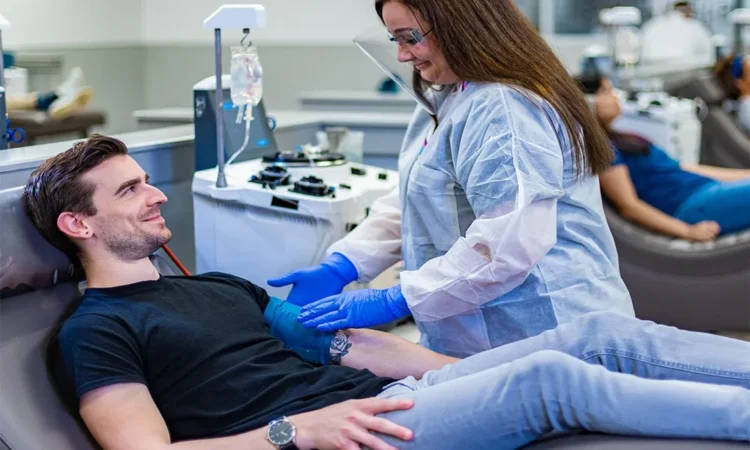
- Donation: Plasma is collected through a needle inserted into the arm. This process typically lasts around 60 minutes.
- Post-Donation: Take a moment to relax and enjoy refreshments before leaving.
Being informed transforms uncertainty into confidence. The procedure is straightforward, simple as that.
Understanding Health Screenings Before Donation
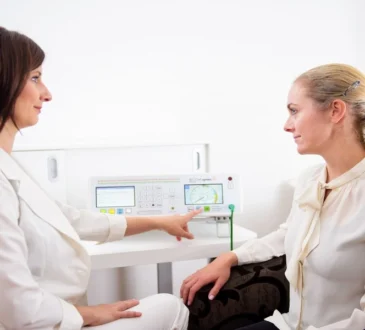
Health screenings play a dual role: they emphasize donor safety while enhancing patient well-being. This initial assessment serves as a crucial protective measure within the donation framework. Potential donors undergo evaluations to determine their fitness for donation, including blood pressure assessments and tests for infectious diseases.
This vital step not only safeguards the donors but also assures patients regarding the safety of the plasma. Experts advise regular assessments, particularly for those with pre-existing health conditions, as they carry implications extending beyond the donation itself.
- Medical History: Disclose any recent medical issues.
- Current Medications: Mention any over-the-counter or prescription medications.
- Well-Being: Overall health status is critical in determining eligibility.
Knowledge is empowerment. Grasping the screening process sets a firm foundation for a smooth donation experience.
Post-Donation Care: Ensuring Your Well-Being
Self-care post-donation is vital. Many donors return home feeling accomplished, likely a bit fatigued, but that’s entirely normal. To aid recovery, consider the following suggestions:
- Stay Hydrated: Drink ample water following the donation.
- Avoid Strenuous Exercise: Stick to light activities for the remainder of the day.
- Rest: A nap or some quiet time can be very beneficial.
These uncomplicated steps can promote quicker recovery and prepare donors for their next visit. Building resilience is often rooted in consistent self-care.
Myth-Busting: Common Misconceptions About Plasma Donation
Addressing Fears: Is Donating Safe?
However, many individuals hesitate about plasma donation, often due to misinformation. Safety worries typically arise from a lack of experience rather than reality. Every accredited plasma center adheres to rigorous safety protocols. Equipment utilized is sterile, and professionals trained in the process oversee everything.
Statistics indicate that complications are quite uncommon, reinforcing the safety of this crucial act. Plasma donation is held to standards akin to blood donation, a practice that’s been safely employed for decades. There’s no mystery; it operates under medical supervision.
“The true danger isn’t in donating-it’s in the lives saved as a result.”
Dispelling Myths About Time Commitment and Pain
Another prevalent myth concerns the time and discomfort associated with plasma donation. Contrary to popular belief, donating plasma is a fairly quick process, often wrapping up in about an hour. It boils down to perspective. Numerous donors report that the needle prick is less painful than anticipated-comparable to a typical vaccination.
Timing can also work in favor of potential donors. Many plasma centers offer flexible operating hours, so fitting that hour into a busy schedule is manageable. Regarding the commitment, a robust community framework supports regular donations. Many donors integrate this into their routine, similar to regular visits to the gym or coffee shop-worth every minute!
Who Can Donate? Clearing Up Eligibility Criteria
Misunderstandings frequently cloud discussions on donor eligibility. Here’s a concise overview of the fundamental criteria:
- Age Requirement: Donors generally must be at least 18 years old.
- Weight Threshold: Typically, donors should weigh over 110 pounds.
- Health Status: Individuals ought to be healthy, free from recent illnesses.
- Time Between Donations: Wait a minimum of 28 days between donations.
Clarifying this information elevates community understanding. The eligibility criteria safeguard the collection of healthy plasma, thus protecting both donors and patients alike.
Engaging with ABO Plasma: Why Choose Otay Mesa West?
State-of-the-Art Facilities and Expert Staff
ABO Plasma in Otay Mesa West openly invites the community to step forward and give back. Facilities are designed for comfort and efficiency. Cutting-edge technology complements a friendly environment. Skilled medical personnel offer comprehensive support, ensuring each donor feels valued and secure.
Every visit reassures donors that they are not just numbers; they are essential contributors to healthcare. In fact, the feedback from donors consistently praises staff for their helpfulness and expertise.
Community-Centric Programs: How ABO Plasma Gives Back
Community engagement goes beyond simply requesting plasma; it’s about giving back in meaningful ways. ABO Plasma spearheads community initiatives aimed at education and support, such as health awareness campaigns and nutrition workshops. Collaborating with local organizations, ABO Plasma underscores the significance of health beyond just plasma donation.
- Community Events: Regular gatherings for local donors.
- Educational Programs: Informing the public about health and wellness.
- Partnerships: Collaborating with organizations that enhance health initiatives.
When shared values bring individuals together, a community evolves into a family. That’s how ABO Plasma flourishes.
Testimonials: Real Experiences from Donors Like You
There’s immense power in storytelling. Authentic experiences resonate deeply, inspiring new donors. Individuals frequently provide compelling narratives about the transformative moments linked to plasma donation.
“One donation ensured that my friend received the treatment he needed. It’s truly life-affirming.”
These heartfelt stories showcase the broader significance of what might seem like a simple act. They weave a connected web of compassion, driven by relationships. When considering making a donation, it might be worthwhile to join this expanding network of change-makers.
Ultimately, opting to donate plasma sends ripples through communities in significant ways. Recognizing its impact, navigating the donation process, and becoming part of a supportive community enrich not just patients’ lives, but also those of the donors. This journey cultivates a culture of giving, proving that one act can indeed alter lives.
FAQ
What types of health conditions are treated with plasma-derived therapies?
Plasma-derived therapies serve a vital role in addressing an array of health conditions, such as hemophilia, immune deficiencies, and specific bleeding disorders. Additionally, individuals with liver disease and those undergoing major surgical procedures often find benefits in plasma products.
How does the plasma donation process differ from whole blood donation?
The key difference between plasma donation and whole blood donation lies in the method of separating blood components. While whole blood is drawn and subsequently processed, plasma donation employs apheresis technology, which directly collects plasma while returning red blood cells and platelets to the donor. This approach makes plasma donation more efficient and allows for a higher donation frequency.
How often can one donate plasma?
Generally, donors are encouraged to contribute plasma every 28 days. This interval ensures the maintenance of the body’s health while allowing individuals to participate regularly. Many donors incorporate their plasma donations into a routine, similar to other wellness practices.
Are there any incentives for donating plasma?
Numerous plasma centers provide various incentives for donors, including compensation for their contributions and time. These incentives can take the form of monetary rewards or health-related benefits, such as complimentary health screenings or wellness programs aimed at donors.
What impact do community events have on plasma donation rates?
Community events play a significant role in boosting plasma donation rates by raising awareness and fostering connections. By engaging the community through health drives and educational workshops, organizations not only inform potential donors but also build a supportive network that encourages regular contributions.
What should donors avoid doing before and after donating plasma?
Prior to donating, individuals should refrain from engaging in strenuous exercise, consuming heavy meals, or drinking alcohol. Post-donation, it’s essential to stay hydrated and limit vigorous activities for the rest of the day. Simple self-care practices can enhance recovery and comfort throughout the donation process.
How can someone prepare for their first plasma donation?
First-time donors ought to ensure they are well-hydrated and have consumed a light meal ahead of their appointment. Reviewing the general procedures and eligibility requirements assists in alleviating anxiety, and it’s wise to bring identification for registration. Knowledge is a powerful tool to ensure a seamless experience.
What ongoing health benefits do plasma donors experience?
Regular plasma donors enjoy the advantages of routine health screenings that can catch potential issues early on. Additionally, donating can stimulate the creation of new blood cells, contributing to overall cardiovascular wellness. This reciprocal relationship between plasma donation and personal health benefits everyone involved.
Useful Resources
- AABB – Advancing Transfusion and Cellular Therapies
- American Red Cross – Blood Donation Information
- Plasma Donor Organization – Information and Resources
- Healthfinder – Connect to Health Information
- World Health Organization – Health Guidelines and Information
- National Heart, Lung, and Blood Institute – Health Information
- Centers for Disease Control and Prevention – Public Health Information
- Medical News Today – Health and Medicine Resource
- Plasma Cares – Information on Plasma Donation and Health Benefits