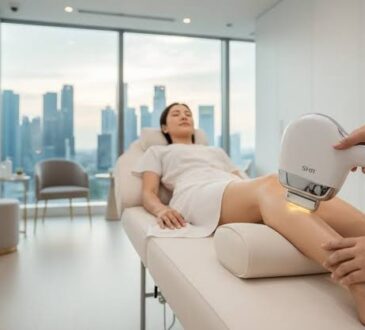

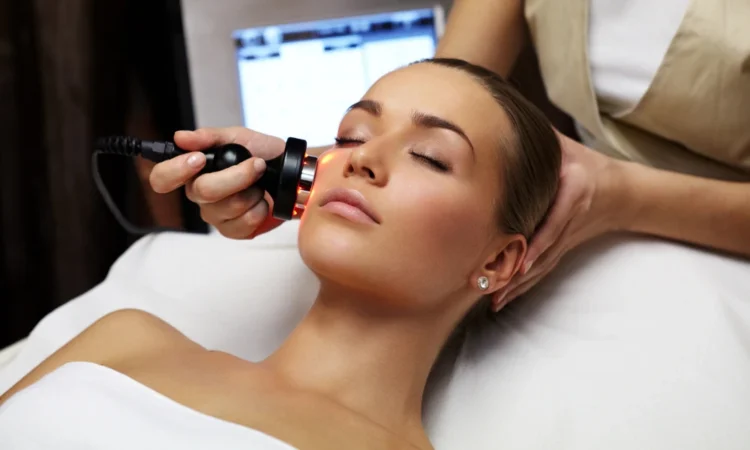
In the United Kingdom, a sophisticated approach to facial rejuvenation continues to gain popularity. This advanced procedure offers a clinically proven method for enhancing one’s complexion and addressing common textural concerns.
The technique utilises targeted energy to precisely refine the outermost layers. Simultaneously, it encourages the body’s natural regenerative processes beneath the surface for a more fundamental renewal.
Many individuals seek this therapy to soften fine lines, improve the appearance of scarring, or reduce uneven pigmentation. A significant advantage is the minimal disruption to daily life, allowing for a swift return to normal activities.
Visible outcomes from this process often include a smoother texture and a more youthful, radiant tone. These improvements can provide a substantial boost to personal confidence and overall skin health.
Key Takeaways
- This advanced procedure is a leading choice for skin renewal in the United Kingdom.
- It works by using precise energy to target surface and deeper dermal layers.
- The treatment can effectively address lines, scars, and pigmentation issues.
- Many patients experience minimal downtime, facilitating a quick recovery.
- The process stimulates collagen for long-lasting improvements in skin quality.
- Final results typically reveal a smoother texture and more even complexion.
- Understanding the journey from consultation to aftercare is crucial for success.
Introduction to the Art and Science of Laser Skin Resurfacing UK
A bespoke plan for improving one’s appearance begins with a detailed understanding of both the tools available and the patient’s unique biology. This philosophy is central to modern complexion refinement, where artistic vision meets clinical precision.
The technique has evolved significantly over many years. This progress allows practitioners to tailor each session for optimal safety and effectiveness.
| The Artistic Element | The Scientific Foundation |
|---|---|
| Personalised assessment of goals | Understanding underlying dermal biology |
| Selecting technology to match concerns | Decades of clinical research and advancement |
| Crafting a natural, harmonious outcome | Stimulating precise, controlled renewal processes |
This fusion enables significant improvements in texture and tone. It transforms the approach to common concerns like ageing and sun damage.
Experts, such as those at PHI Clinic, combine these principles. They provide precise, tailored plans without the need for invasive surgical intervention. Every individual receives a professional assessment that considers their specific complexion type and desired outcomes.
What is Laser Skin Resurfacing?
This advanced procedure is defined by its dual action. It removes superficial damage while prompting deeper regeneration.
Fundamentally, it is a precise medical treatment. Focused light energy is applied to remodel dermal structures.
Harvard University research from 2003 highlighted the efficacy of fractionated techniques. This innovation allows for controlled renewal.
Mechanism of Action and Collagen Stimulation
Focused beams create microscopic treatment zones. This removes aged cells and triggers a natural healing response.
The body then produces fresh collagen and elastin over subsequent months. Specialists at PHI Clinic utilise this process to support tightening.
“Fractionated rejuvenation represents a significant advance in delivering consistent, safe outcomes.”
Clinical Benefits for Skin Texture and Tone
Patients observe a marked refinement in their complexion’s feel. Pores appear minimised, and uneven colouration is reduced.
Dullness is replaced by a more radiant, uniform tone. These improvements contribute to a healthier-looking visage for many years.
| Core Principle | Primary Clinical Outcome |
|---|---|
| Targeted Energy Application | Precise removal of damaged superficial layers |
| Collagen Induction Therapy | Long-term improvement in firmness and elasticity |
| Controlled Healing Response | Smoothed texture and more even skin tone |
This resurfacing treatment is designed for those seeking a fundamental enhancement. It offers a solution for common concerns without extensive downtime.
Laser Skin Resurfacing UK Before and After Results – The Transformation Unveiled
The healing timeline itself reveals the gradual unveiling of a refreshed and revitalised appearance. Documented visual evidence provides a powerful narrative of change, showcasing what modern professional therapies can achieve.
Individuals typically require a period of approximately fourteen days at home for their complexion to mend sufficiently before returning to work. However, many notice a significant positive shift in tone and texture much sooner, often within seven to ten days following their session.
This early progress is a clear indicator of the body’s regenerative response. By adhering closely to their specialist’s aftercare plan, clients support this natural process to ensure an optimal aesthetic outcome.
The final outcomes, visible in comparative photography, stand as a testament to the procedure’s efficacy. They highlight long-term benefits for those seeking a fundamental enhancement in their complexion’s health and appearance.
How Laser Resurfacing Rejuvenates Your Skin
Modern aesthetic medicine offers a pathway to smoother, clearer skin by utilising advanced resurfacing techniques that target specific imperfections. This approach goes beyond surface-level care to promote fundamental renewal from within.
The procedure works by triggering the body’s natural regenerative processes. This leads to a healthier, more even appearance over time.
Smoothing Fine Lines and Wrinkles
One primary application is the softening of fine lines and wrinkles. Focused energy is used to gently remodel the dermal structure.
This stimulates fresh collagen production. The result is a firmer, more youthful-looking complexion.
Clinics like PHI Clinic calibrate each session precisely. This ensures the therapy addresses these signs of ageing effectively.
Improving Acne Scars and Pigmentation
The same technology is highly effective for improving acne scars and reducing stubborn pigmentation. Sun spots or age spots can be significantly faded.
The method involves the precise removal of damaged cells. This allows smoother, firmer tissue to grow in its place.
Patients often regain confidence in their skin’s texture and clarity. The outcome is a more uniform tone and refined surface.
| Concern | How the Treatment Works | Expected Outcome |
|---|---|---|
| Fine Lines & Wrinkles | Targeted energy remodels dermal tissue and boosts collagen. | A firmer, smoother appearance with reduced visible creasing. |
| Acne Scars & Pigmentation | Precise removal of damaged surface cells and discolouration. | Evened skin tone, minimised scar texture, and clearer complexion. |
This rejuvenation process provides a comprehensive solution for common concerns. It helps individuals achieve a refreshed and revitalised visage.
Exploring Different Laser Resurfacing Techniques
The field of facial rejuvenation features distinct technological approaches, each with specific advantages. Understanding these categories helps patients and practitioners make informed decisions about the best path forward.
Ablative versus Non-Ablative Approaches
Ablative methods work by removing the outermost layers of the skin. This creates a more intensive corrective effect, ideal for significant textural concerns.
Non-ablative options function differently. They heat the deeper dermal layers to stimulate renewal without disrupting the surface.
The choice between these two often depends on an individual’s skin type and their desired outcome intensity. A professional consultation is vital for this selection.
Fractional Laser Technologies
Fraxel® technology pioneered the use of fractional photothermolysis. This innovative principle treats only a fraction of the skin at a time.
This fractional approach offers a favourable balance. It delivers visible improvement while supporting a significantly reduced recovery period for most patients.
It has become a modern standard for safe, effective complexion renewal. The technology allows for tailored treatment plans.
| Technique Type | Primary Action | Ideal Candidate Profile |
|---|---|---|
| Ablative | Removes outer skin layers for intensive resurfacing. | Those seeking dramatic correction, with appropriate healing time available. |
| Non-Ablative | Heats deeper tissue to stimulate collagen without surface wounding. | Individuals with a specific skin type wanting minimal downtime. |
| Fractional | Treats microscopic columns of tissue, leaving surrounding areas intact. | Patients desiring balanced results and a faster healing process. |
Ultimately, a specialist must carefully select the appropriate modality. This ensures the procedure is both safe and effective, with outcomes that can last for many years.
Addressing Side Effects and Safety Considerations
The commitment to a safe outcome extends well beyond the treatment room into the crucial recovery phase. A professional clinic prioritises comprehensive patient education and vigilant aftercare monitoring.
This ensures any transient reactions are managed effectively, supporting both comfort and optimal long-term results.
Managing Common Post-Treatment Reactions
Following a professional session, the complexion often exhibits temporary redness and mild swelling. A sensation similar to sunburn is also typical for the first 24 to 48 hours.
These are normal signs of the body’s healing process being activated. They usually resolve within several days as the tissue mends.
Practitioners provide clear guidance on cooling techniques and gentle skincare. This support helps individuals feel comfortable during the initial weeks.
“Rigorous safety protocols and individualised risk assessment form the bedrock of ethical aesthetic practice.”
For more intensive procedures, the practitioner’s expertise in different complexion types is paramount. It minimises the risk of complications like infection or temporary pigmentation shifts.
An experienced specialist tailors the approach to each person’s unique biology. This careful planning protects the health of the patient’s skin for many years.
| Common, Temporary Effects | Management Strategy | Typical Resolution Time |
|---|---|---|
| Redness & Swelling | Cool compresses, prescribed topical creams | 3-7 days |
| Sunburn-like Sensation | Over-the-counter pain relief, gentle moisturisation | 24-48 hours |
| Mild Dryness & Flaking | Fragrance-free hydrators, avoiding exfoliation | 5-10 days |
By addressing these aspects proactively, the clinic delivers effective resurfacing while upholding the highest standards of patient welfare. This integrated focus on safety is a defining feature of quality care.
The Laser Skin Resurfacing Treatment Process
A successful aesthetic treatment is not a single event but a carefully managed process encompassing preparation, execution, and diligent healing.
Consultation and Preparation
Every journey at PHI Clinic begins with a detailed consultation. Here, a practitioner assesses the patient’s skin and selects the most appropriate technology.
This bespoke plan is crucial. It sets the foundation for a successful outcome and long-term dermal health over the coming years.
During the Procedure and Immediate Sensations
The session itself typically lasts between thirty minutes and two hours. This depends on the size of the area being addressed.
Individuals often report a warming feeling, akin to mild sunburn. This sensation is normal and indicates the therapy is working effectively.
Post-Treatment Recovery and Aftercare
Recovery is an essential phase. Proper aftercare ensures the tissue mends correctly and maximises the results of the procedure.
Clients receive clear instructions for this critical recovery period. Adherence supports optimal healing and lasting improvements for many years.
Customised Treatments for Every Skin Type
Achieving optimal outcomes requires a tailored strategy that respects the specific needs of different complexion types. A generic approach fails to account for individual variations in melanin content and dermal structure.
Practitioners take additional steps to tailor therapy safely for patients with deeper pigmentation. They adjust device parameters to match the individual’s specific concerns and biological profile.
This personalised care helps minimise the risk of post-inflammatory hyperpigmentation. It ensures the energy delivered is both effective and gentle on the tissue.
By customising the plan, experts can achieve excellent results that endure for many years. Patients feel confident knowing their regimen is designed for their unique dermatological needs.
| Complexion Tone | Customisation Focus | Primary Goal |
|---|---|---|
| Lighter Tones | Optimising intensity for textural refinement | Enhancing clarity and smoothness |
| Deeper Tones | Calibrating energy to protect melanin-rich skin | Preventing pigmentary changes |
| All Types | Personalising aftercare for optimal healing | Ensuring long-term, even results |
This bespoke methodology is fundamental to modern aesthetic practice. It transforms a standard procedure into a precise, patient-centric experience.
The Importance of Post-Treatment Aftercare
Effective aftercare is the cornerstone of any successful complexion renewal journey, safeguarding the investment made in the laser procedure. The body’s natural healing mechanisms require support and protection to deliver optimal aesthetic outcomes.
Skincare Regimens to Support Recovery
Following a professional session, a gentle and consistent routine is vital for the skin. Clinicians typically recommend specific, approved moisturisers to hydrate the new tissue and support its regeneration.
These products help to soothe any temporary sensitivity and maintain a healthy barrier. Avoiding harsh exfoliants or active ingredients during the initial weeks is equally crucial.
Sun Protection and Moisturisation Strategies
Shielding the area from direct sun exposure is non-negotiable. Daily application of a high-factor, broad-spectrum sunscreen becomes a mandatory step for at least one month.
Reapplication every two hours during daylight exposure is advised. Wearing protective hats and seeking shade provides additional defence for the delicate, healing dermis.
Adhering to these measures helps to preserve the results of the resurfacing treatment for many years. It prevents potential complications and ensures the complexion remains healthy and radiant.
Real Patient Experiences and Before & After Comparisons
A gallery of comparative imagery stands as the most compelling testament to a therapy’s transformative potential. Personal narratives bridge the gap between clinical promise and lived reality.
These accounts provide invaluable perspective for anyone considering a professional procedure. They highlight tangible improvements in tone, texture, and overall confidence.
Testimonials and Success Stories from Banning Dental
Clinics like Banning Dental offer a platform for individuals to share their journeys. Dr Hussein has performed numerous successful cases, documented in an extensive visual portfolio.
Clients frequently describe a restoration of self-assurance and enhanced dermal health. Their stories demonstrate how expert care can deliver enduring benefits for many years.
| Patient Concern | Reported Improvement | Typical Timeframe |
|---|---|---|
| Fine Lines & Texture | Smoothed, refined complexion | Visible within weeks |
| Acne Scarring | Markedly reduced appearance | Optimal after several months |
| Uneven Pigmentation | More uniform, radiant tone | Significant fading over time |
By reviewing these experiences, prospective patients gain a clearer understanding. They can set realistic expectations for their own renewal journey.
Experience and Expertise at Banning Skin Ltd
Delivering high-standard care requires more than advanced technology; it demands a deep reservoir of practitioner experience. This profound expertise is the critical element that shapes a patient’s journey towards a refined complexion.
Clinicians who have dedicated many years to their field cultivate a nuanced understanding of dermal biology. This long-term commitment allows them to address complex skin concerns with precision and an unwavering focus on safety.
Their extensive clinical knowledge is seamlessly integrated with modern technological systems. This synergy forms the reliable foundation for administering safe and effective laser resurfacing treatments.
Individuals benefit from a professional setting where the health and appearance of their skin is the principal focus of every session. This consistent, high-calibre service builds a clinic’s reputation on tangible results and dedicated ongoing support.
Ultimately, this approach guarantees every patient receives the highest quality of dermatological care. It is this principle that guides the team at Banning Skin Ltd.
Technological Advancements in Laser Resurfacing
The landscape of aesthetic medicine is continually reshaped by groundbreaking technological innovations in device engineering. Over recent years, the field of dermal renewal has seen remarkable progress.
Staying at the forefront of this evolution is essential for any clinic committed to excellence. It directly translates to superior patient care and enduring aesthetic improvements.
CO₂ vs Erbium Laser Innovations
Two primary modalities dominate modern practice: carbon dioxide (CO₂) and erbium YAG systems. The Lumenis Ultrapulse Alpha CO2 laser represents a pinnacle of ablative technology, offering exceptional control for intensive textural correction.
In contrast, the Sciton Joule X Erbium YAG laser provides a gentler alternative. It is often chosen for its efficiency in addressing superficial concerns with minimal patient downtime.
Dr Hussein utilises both platforms to tailor each treatment session. This ensures the selected energy source matches the individual’s specific dermatological needs and goals.
State-of-the-Art Fractional Techniques
Fractional technology, influenced by ongoing Harvard University research, has revolutionised the approach. It treats microscopic columns of tissue, leaving surrounding areas intact to speed healing.
Brands like Fraxel® remain industry leaders due to their well-documented efficacy. These systems stimulate collagen production effectively, supporting results that endure for many years.
Such progress means today’s procedures are more comfortable and predictable. This tailored treatment approach harnesses the latest scientific understanding for optimal rejuvenation.
Maintaining Long-Term Skin Rejuvenation and Managing Risks
Long-term aesthetic success hinges on two pillars: a disciplined approach to aftercare and the realistic management of expectations throughout the recovery process.
This phase requires active collaboration between the individual and their clinician. It ensures the initial investment yields durable benefits for many years.
Long-Term Maintenance Strategies
Preserving a revitalised appearance demands ongoing commitment. A consistent, gentle skincare regimen is fundamental.
Daily, high-factor sun protection is non-negotiable to shield the new, healthy skin. Some patients may benefit from periodic professional treatment sessions to sustain collagen levels.
This proactive strategy helps lock in the improvements achieved. It supports the complexion’s health and appearance over the long term.
Managing Risks and Setting Realistic Expectations
Understanding the natural healing timeline is crucial for managing risk and satisfaction. While one may be medically fit for work after about fourteen days, visible redness can linger for several weeks.
The tissue continues to remodel and improve subtly for months. Following an aggressive fully ablative CO2 laser procedure, it can take a full three months for the skin to settle completely.
Practitioners provide close monitoring during this period. This vigilance ensures the treatment area heals perfectly without complications.
| Recovery Phase | Typical Timeframe | Key Patient Actions |
|---|---|---|
| Initial Healing | First 14 Days | Strict aftercare protocol, gentle cleansing, avoiding makeup. |
| Subduing Redness | Weeks 2 to 6 | Diligent sun protection, using recommended moisturisers. |
| Tissue Remodelling | Months 1 to 3 | Patience, as final texture and tone continue to refine. |
| Long-Term Maintenance | Ongoing Years | Commitment to sunscreen and a tailored skincare routine. |
By integrating these strategies, one can confidently enjoy the lasting rewards of their rejuvenation journey.
Conclusion
Ultimately, the value of any aesthetic intervention is measured by its safety, efficacy, and the durability of its outcomes. This advanced methodology has established itself as a premier choice for those seeking to refine their complexion and address signs of ageing.
The procedure delivers lasting improvements that patients can enjoy for many years. It successfully targets concerns like textural irregularities and scarring, promoting a healthier appearance.
At PHI Clinic, this is achieved through a fusion of medical expertise and sophisticated technology. Every treatment plan is tailored to ensure it is both safe and highly effective for the individual.
We encourage anyone considering this path to book a professional consultation. Taking this first step can begin a rewarding journey towards sustained dermal health and confidence.