
Key Highlights
- Off-the-shelf insoles provide generic cushioning but fail to address specific anatomical alignment issues.
- True biomechanical imbalances require a comprehensive assessment of the entire kinetic chain.
- Mass-produced solutions often mask symptoms rather than treating the root cause of discomfort.
- Custom foot orthotics offer precision-engineered support tailored to an individual’s unique foot structure.
- Achieving long-term relief necessitates professional intervention and bespoke correction.
Introduction
The search for relief from persistent foot, ankle, or knee pain often begins in the aisles of a pharmacy or a sporting goods store. Shelves are lined with an array of colourful, mass-produced shoe inserts promising instant comfort and alignment correction. While these off-the-shelf products may provide a temporary sensation of cushioning, they frequently fall short when it comes to addressing true biomechanical imbalances. For individuals suffering from chronic discomfort, understanding the fundamental difference between generic solutions and custom foot orthotics and bespoke medical interventions is the first step toward long-term recovery.
The Limitations of Generic Support
Biomechanical imbalances are rarely uniform. Every foot possesses a distinct structure, influenced by arch height, width, pronation patterns, and overall gait mechanics. When you purchase a generic insert, you are selecting a product designed for a theoretical average rather than a living, breathing human being. This one-size-fits-all approach is inherently flawed because it assumes that all feet function along the same mathematical trajectory.
When a generic insole is inserted into a shoe, it may offer superficial padding, but it does not account for the complex interplay between the foot, the ankle, and the rest of the skeletal system. In many cases, these insoles actually exacerbate existing problems. By forcing the foot into an unnatural position or providing support in areas where it is not required, they can disrupt the body’s natural kinetic chain, potentially leading to compensatory pain in the hips, lower back, or knees.
The Science of Biomechanical Alignment
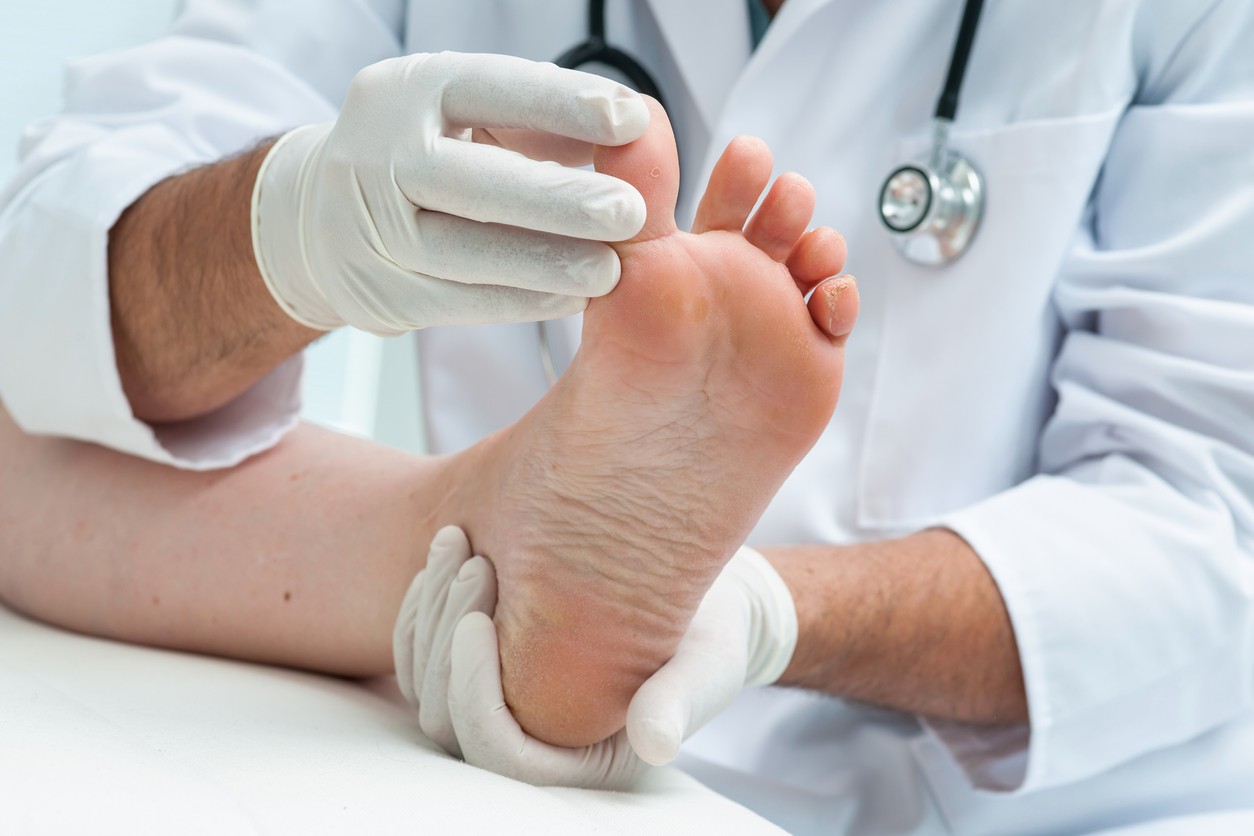
True biomechanical correction is a precise science. It involves a detailed analysis of how an individual bears weight and how their joints interact during movement. Chiropractors and podiatrists use advanced diagnostic tools to identify the specific deviations that cause pain. A subtle misalignment in the heel bone, for example, can trigger a cascade of structural issues that travel upwards, affecting the entire posture.
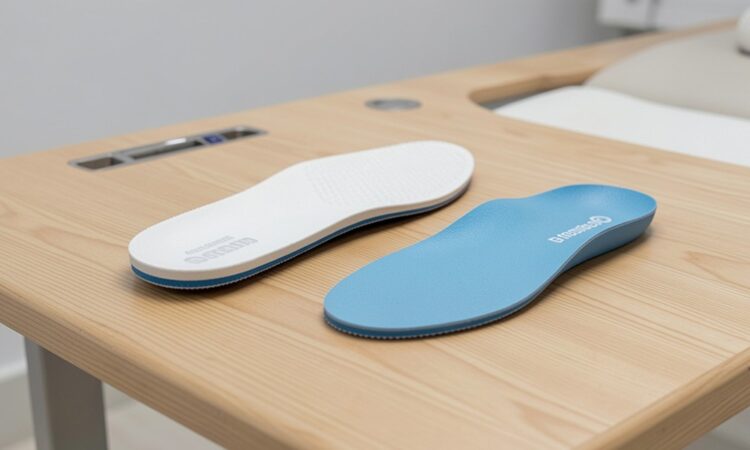
Custom foot orthotics are engineered to respond to these specific nuances. Unlike their off-the-shelf counterparts, which are made from uniform foam or gel, these devices are created based on a three-dimensional impression or digital scan of the patient’s feet. This level of detail allows for the precise calibration of support, ensuring that the orthotic interacts with the foot in a way that encourages optimal alignment rather than simply padding the pressure points.
Why Personalisation Matters
The efficacy of treatment lies in the customisation. When using custom orthotic insoles, the goal is to normalise the distribution of force across the sole of the foot. By stabilising the arch and correcting structural discrepancies, these orthotics help the body restore its natural balance. This is particularly crucial for those with conditions such as plantar fasciitis, severe overpronation, or chronic joint instability, where the margin for error is slim.
Furthermore, these medical-grade solutions are constructed from durable materials chosen for their specific density and resilience, ensuring that they maintain their corrective properties over time. Generic insoles, by contrast, tend to lose their structural integrity within weeks, offering diminishing returns for the user.
Conclusion
If you are tired of cycling through generic shoe inserts that provide little more than temporary comfort, it may be time to look deeper at the mechanics of your gait. Off-the-shelf products are designed for mass appeal, not individual pathology. True relief is found when treatment is matched to your specific anatomy.
If you are experiencing persistent discomfort or believe your biomechanical alignment could be improved, we are here to help. Contact us at Live Well Chiropractic today to schedule a comprehensive assessment and discover how bespoke solutions can transform your quality of life.