
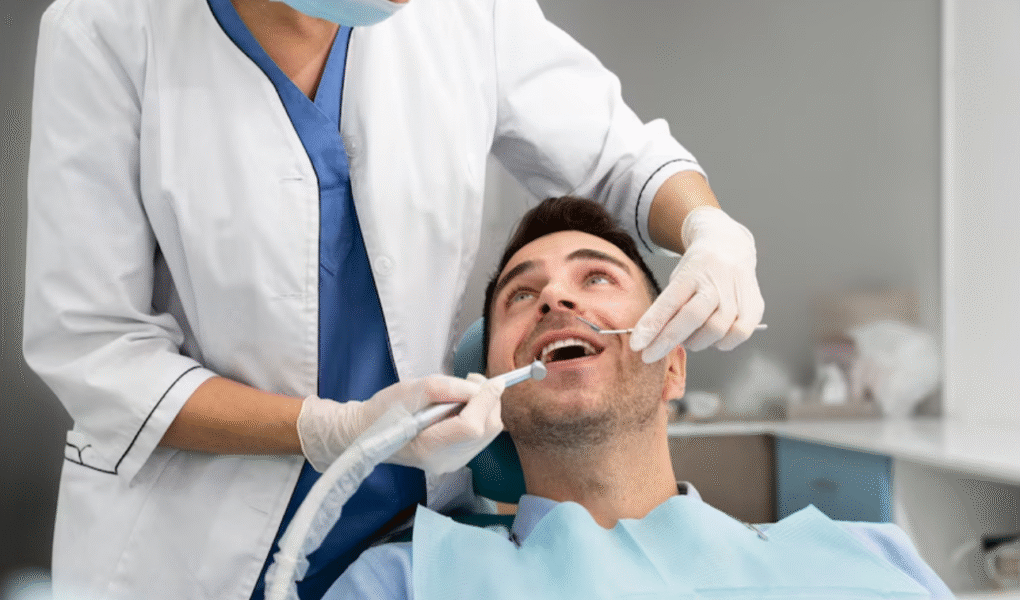
You want less pain, fewer surprises, and lower bills at the dentist. Preventive dentistry gives you that. When you brush, floss, and see a dentist on a regular schedule, you stop small problems before they become emergencies. A simple cleaning can remove early decay. A quick filling can stop a future root canal. A short visit can prevent a weekend in the emergency room. You also gain more control over your budget. You spread out smaller, planned visits instead of facing sudden large costs. Regular checkups with a trusted dentist in Sunnyvale, CA help you spot warning signs early. You can then fix issues while they are still easy to treat. This approach protects your teeth, your time, and your savings.
How Preventive Dentistry Cuts Costs For Your Family
Preventive care keeps problems small. Treatment for small problems costs less and takes less time. Treatment for large problems costs more and can disrupt work and school.
You lower costs when you:
- Brush twice each day with fluoride toothpaste
- Floss once each day
- See a dentist every six months or as advised
- Use fluoride rinses or treatments when recommended
- Get sealants for children’s back teeth
The Centers for Disease Control and Prevention explains that sealants can prevent up to 80 percent of cavities in back teeth for two years. You can review this data at CDC Dental Sealants. That means fewer fillings, fewer shots, and lower costs.
Common Preventive Services And What They Save You
Routine services look simple. Still, they stop expensive care later. Here is what the most common preventive steps help you avoid.
- Cleanings. These remove plaque and tartar. They help prevent cavities and gum disease.
- Fluoride treatments. These strengthen the outer layer of the tooth. They lower your chance of decay.
- Sealants. These cover the deep grooves in back teeth. They block food and germs from settling in.
- X rays. These show hidden decay and infections. They allow early care before pain starts.
- Checkups. These help your dentist spot worn fillings, cracks, and signs of grinding.
Each visit is short. Each visit builds protection. You pay a smaller fee now instead of a much larger fee later.
Comparing Preventive Care And Delayed Treatment
Costs vary by city and by insurance. Still, the pattern is clear. A small fix now costs less than a large fix later. The table below shows a simple comparison using typical ranges.
| Type of Care | Example Service | Typical Cost Range* | What Often Happens If You Wait | Later Cost Range* |
|---|---|---|---|---|
| Preventive | Routine exam and cleaning | $75 to $200 | Small cavity found early | $150 to $300 for a filling |
| Preventive | Sealant on a child’s molar | $30 to $60 per tooth | Cavity in that molar | $150 to $300 for a filling |
| Preventive | Fluoride treatment | $20 to $50 | Multiple cavities | $450 to $900 for three fillings |
| Delayed | Skip checkups for years | $0 short term | Infection and severe pain | $800 to $2,500 for root canal and crown |
| Delayed | Ignore gum bleeding | $0 short term | Advanced gum disease | $500 to $4,000 for deep cleanings and other care |
*Cost ranges are examples. Actual costs depend on location and insurance.
The pattern is plain. You either pay a little along the way or you pay a lot all at once.
Insurance, Coverage, And Out Of Pocket Savings
Many dental plans cover cleanings, exams, and X rays at a high rate. Some cover these at no extra cost to you. They often cover fillings and major work at a lower rate.
You save money when you:
- Use covered cleanings and exams every year
- Follow up on early treatment plans right away
- Ask your dentist to explain the cost difference between early and late care
The National Institute of Dental and Craniofacial Research explains how untreated cavities and gum disease can lead to tooth loss and health problems. You can read more at NIDCR Oral Health Information. Tooth loss often needs bridges, dentures, or implants. Those cost far more than cleanings, sealants, and fillings.
Health Costs Beyond The Mouth
Oral health connects to your body. Gum disease links to heart disease and diabetes problems. Infections in the mouth can spread and lead to hospital visits. Those visits cost far more than preventive dental care.
When you keep your mouth healthy you lower your risk of:
- Emergency room visits for dental pain
- Lost days at work or school
- Extra medicine for infections
You protect your family budget and your energy. You also protect your ability to eat, speak, and sleep in comfort.
Simple Steps You Can Start Today
You do not need large changes. You need steady habits.
Use the rule of three:
- Brush two minutes, two times each day
- Floss one time each day
- Schedule dental visits two times each year or as advised
Also:
- Limit sugary drinks and snacks between meals
- Give children water with fluoride if your city offers it
- Ask your dentist if your child should get sealants
Each step is small. Together they cut your chance of pain and high costs.
Why Acting Early Protects Your Future Budget
Every cavity starts small. Every crack starts as minor wear. When you act early you keep control. You choose a short visit, a simple fix, and a known cost. When you wait your teeth decide for you. The result is often a long visit, a complex fix, and a heavy bill.
Preventive dentistry is not extra. It is your main line of defense. When you keep up with it you protect your health, your family plans, and your money.