
As the demand for aging-in-place solutions continues to grow, in home assistance for seniors has become an essential part of modern elder care. Caregivers play a central role in delivering this support, ensuring that older adults can maintain independence while receiving the help they need. Their responsibilities extend beyond basic assistance, encompassing emotional support, safety monitoring, and personalized care that adapts to each individual’s needs.
Supporting Daily Living Activities
Caregivers are primarily responsible for assisting seniors with activities of daily living, which are essential for maintaining a healthy and functional lifestyle. These activities include bathing, dressing, grooming, and mobility support. By helping with these tasks, caregivers enable seniors to remain comfortable and maintain their dignity in a familiar environment.
In home assistance for seniors also includes support with instrumental activities such as meal preparation, medication reminders, and light housekeeping. These tasks may seem routine, but they play a significant role in ensuring overall well-being. Caregivers help create structured routines that promote stability and reduce the risk of accidents or health complications.
The presence of a caregiver allows seniors to continue living in their homes without compromising their quality of life. This balance between independence and support is one of the key advantages of in home care services.
Providing Emotional and Social Support
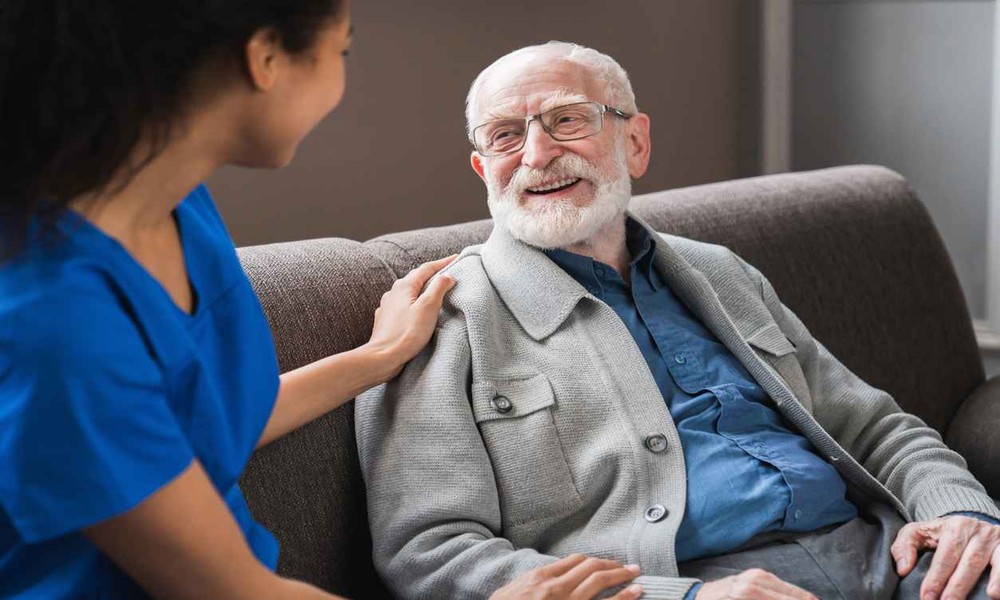
Beyond physical care, caregivers offer essential emotional and social support. Many seniors experience feelings of isolation, especially if they live alone or have limited mobility. Caregivers provide companionship, engaging in conversations and activities that help reduce loneliness and improve mental health.
In home assistance for seniors often involves building strong, trusting relationships. Caregivers become familiar with the preferences, routines, and personalities of those they support. This connection fosters a sense of security and comfort, which is crucial for emotional well-being.
Social interaction also contributes to cognitive health. Regular engagement can help stimulate memory and maintain mental sharpness. Caregivers play a vital role in encouraging these interactions, whether through simple conversations or shared activities.
Ensuring Safety and Monitoring Health
Safety is a top priority in any care setting, and caregivers are instrumental in maintaining a secure home environment. They help prevent falls by assisting with mobility and ensuring that living spaces are free of hazards. This proactive approach reduces the risk of injuries and promotes confidence in daily activities.
In home assistance for seniors also includes monitoring health conditions. Caregivers observe changes in physical or mental health and report concerns to family members or healthcare professionals. This early detection can lead to timely interventions and better health outcomes.
Medication management is another critical aspect of caregiving. Ensuring that medications are taken correctly and on schedule helps prevent complications and supports overall health. Caregivers provide reminders and, in some cases, direct assistance with medication administration.
Promoting Independence and Personalized Care
One of the most important roles of caregivers is to support independence while providing necessary assistance. Rather than taking over tasks entirely, caregivers encourage seniors to participate in their own care as much as possible. This approach helps maintain confidence and a sense of control.
In home assistance for seniors is highly personalized, with care plans tailored to individual needs. Caregivers adapt their approach based on the senior’s physical abilities, preferences, and health conditions. This flexibility ensures that care remains relevant and effective over time.
Personalized care also includes respecting cultural values and personal routines. By aligning care with the individual’s lifestyle, caregivers create an environment that feels familiar and supportive.
Strengthening Family Support Systems
Caregivers not only support seniors but also provide relief for family members. Caring for an aging loved one can be physically and emotionally demanding, and professional caregivers help ease this burden. Their presence allows family members to focus on maintaining meaningful relationships rather than managing daily care tasks.
In home assistance for seniors creates a collaborative care environment where caregivers and families work together. Open communication ensures that everyone is informed and involved in decision-making. This partnership enhances the overall quality of care and provides peace of mind for families.
The role of caregivers in in home assistance for seniors is multifaceted and essential. From supporting daily activities to providing emotional care and ensuring safety, caregivers contribute significantly to the well-being of older adults. Their dedication enables seniors to age with dignity, independence, and comfort in their own homes, making in home care a valuable and increasingly important solution for modern aging needs.