
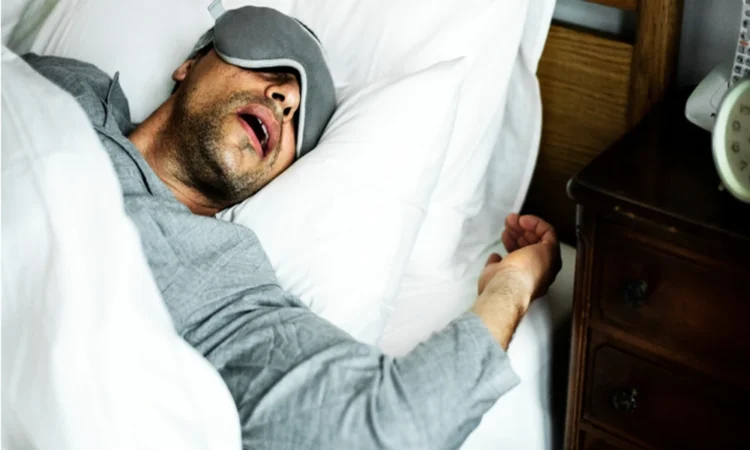
Obstructive sleep apnea causes repeated narrowing or closure of the upper airway during sleep. The resulting breathing pauses can lower oxygen, interrupt sleep and activate stress responses in the body. A systematic review and meta-analysis found that sleep apnea is associated with hypertension and with a higher risk of resistant hypertension.
Common warning signs include loud snoring, choking or gasping during sleep and witnessed pauses in breathing.
The person may wake with a dry mouth or headache and may feel unrefreshed despite spending enough time in bed.
Daytime sleepiness can affect concentration, mood and driving safety. Some people describe tiredness rather than obvious sleepiness.
Sleep apnea is common in people with obesity, but it can also occur in people who are not overweight.
Jaw shape, enlarged tonsils, nasal blockage, alcohol use and sleeping position may contribute.
Blood pressure may remain high despite several medicines when untreated sleep apnea is present.
A clinician may use a questionnaire to assess risk, but a questionnaire cannot confirm the diagnosis.
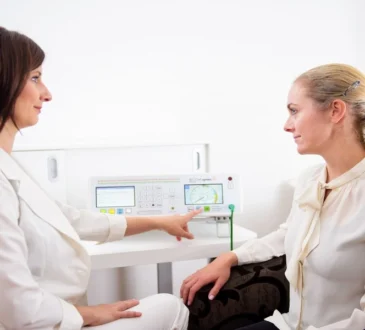
Testing may be performed through a home sleep study or an overnight study in a sleep laboratory. The suitable method depends on the person’s health and symptoms.
Treatment can include continuous positive airway pressure, commonly called CPAP. The device helps keep the airway open during sleep.
Other options may include weight management, avoiding alcohol near bedtime, sleeping-position changes, an oral device or specialist surgery in selected cases.
Using CPAP consistently can be difficult at first. Correct mask fitting, humidification and follow-up may improve comfort.
Treating sleep apnea may support blood-pressure control, but it does not automatically remove the need for hypertension medicine.
Do not stop medicine after a few better readings. The prescribing clinician should review the pattern and decide whether a change is safe.
Driving while very sleepy can be dangerous. A person who struggles to stay awake at the wheel should stop driving and seek prompt medical assessment.
Madhavbaug provides information about its doctor-supervised hypertension care. Details about its broader heart and metabolic health programmes are available through Madhavbaug.
Sleep apnea is a treatable medical condition. Persistent snoring, breathing pauses and daytime sleepiness should not be dismissed as normal sleep.