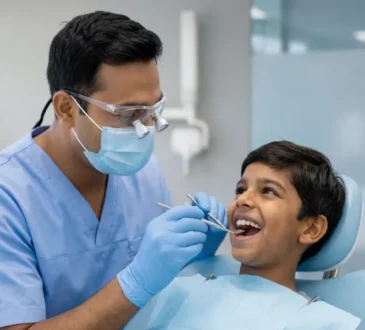

You sit in the dental chair, hear that your tooth needs a filling, and then a bright blue light comes out. For a lot of people, that moment feels oddly mysterious. You know the dentist is fixing the tooth, but the idea that light can harden a soft material inside your mouth sounds strange, and if you are already nervous about cavities or cost, that uncertainty adds to the stress. At a trusted dental clinic in Southwest Calgary, your dentist can explain exactly how this process works and help you feel more at ease.
The short version is simple. Dental curing lights help harden tooth colored filling material called composite resin. The light activates compounds in the resin, which starts a chemical reaction that turns the material from soft and moldable into a solid restoration. That process matters because the filling needs to be strong, sealed, and shaped correctly to protect your tooth and feel natural when you bite.
Dental curing lights turn composite resin into a durable filling
Tooth colored fillings are often used to treat dental caries, which is another name for tooth decay. If you want a plain language overview of cavity treatment choices, the FDA explains treatment options for dental caries in a helpful way. Composite fillings are popular because they blend with natural teeth and bond directly to the tooth structure.
That bonding process depends on timing and precision. The filling material starts out soft so your general and cosmetic dentist can place it in small layers, shape it, and adapt it closely to the tooth. Then the curing light shines a specific wavelength, usually in the blue range, into the material. A light sensitive ingredient inside the resin absorbs that energy and triggers polymerization, which is the reaction that hardens the filling.
If that reaction is incomplete, the filling may not reach its best strength. It can wear faster, feel rough, stain more easily, or allow tiny gaps at the edge. Those gaps matter. They can trap bacteria, lead to sensitivity, and set you up for more treatment later. You may only see a quick flash of blue, but there is real science packed into those few seconds.
The science behind hardening tooth colored fillings affects comfort and long term results
The light itself is only one part of the process. The dentist also has to think about the type of resin, the shade of the material, the thickness of each layer, and the distance between the light tip and the filling. Darker or more opaque materials may need more careful curing. A deep cavity may require the resin to be placed in smaller increments so the light can reach each layer well enough.
This is why a filling is not just “put in and done.” If moisture gets in, if the layer is too thick, or if the curing time is too short, the restoration may not perform the way it should. You might feel that later as temperature sensitivity, a bite that feels off, or a filling that chips sooner than expected.
For patients, the practical concern is trust. You want to know the material in your mouth is fully set and safe. The FDA has guidance on dental curing lights and premarket notification requirements, which shows these devices are treated as medical equipment that must meet performance standards. That oversight matters because the light output has to be strong and consistent enough for clinical use.
If your tooth was hurting before the appointment, you may also be dealing with inflammation inside the tooth or around it. MedlinePlus offers a clear explanation of tooth decay, including how cavities progress when they are left untreated. The filling fixes the damaged area, but timing still matters. A small cavity treated early is very different from a deep one close to the nerve.
LED curing lights and older halogen units differ in speed and efficiency
Light curing units have changed over time. Older halogen lights worked, but they generated more heat, needed bulb changes, and often required longer curing times. Most modern offices use LED units because they are more efficient, more consistent, and easier to maintain. That usually means a smoother appointment for you and more predictable results for the dentist.
| Feature | LED Curing Lights | Halogen Curing Lights |
|---|---|---|
| Typical curing time | Shorter for many composite materials | Often longer |
| Heat production | Lower | Higher |
| Maintenance | Less frequent | More frequent bulb and filter needs |
| Energy efficiency | Higher | Lower |
| Common use today | Standard in many practices | Less common |
That does not mean every LED light is identical. Output strength, beam quality, and compatibility with certain materials still matter. A skilled dentist checks the equipment regularly and matches the curing approach to the material being used. That is one reason choosing a qualified provider matters as much as choosing the filling material itself.
Practical steps help you get the best result from a tooth colored filling
Ask what material is being used. You do not need a chemistry lesson. You just want a clear answer about whether your filling is composite resin, why it fits your tooth, and how long it should last. Good care gets easier when you understand the basic plan.
Pay attention to your bite after the appointment. A filling can be fully cured and still need a small adjustment. If the tooth feels high when you chew, call the office. Waiting can lead to soreness in the tooth, jaw, or opposite teeth.
Take sensitivity seriously if it lingers. Mild sensitivity for a short time can happen after a filling, especially if the cavity was deep. Ongoing pain, sharp cold sensitivity, or pain when biting deserves follow up. Those symptoms can point to a bonding issue, a bite problem, or decay that was closer to the nerve than expected.
Understanding dental filling technology makes treatment feel less uncertain
Composite filling light curing sounds technical, but the goal is simple. Your dentist places a material that looks natural, bonds to the tooth, and hardens in a controlled way so the restoration can do its job. When the process is done well, you leave with a filling that feels normal, protects the tooth, and blends into your smile.
If you need a filling or want to talk through your options with a general and cosmetic dentist, schedule a visit and ask direct questions about the material, the curing process, and what to expect afterward. Clear answers make the whole experience easier to handle.