
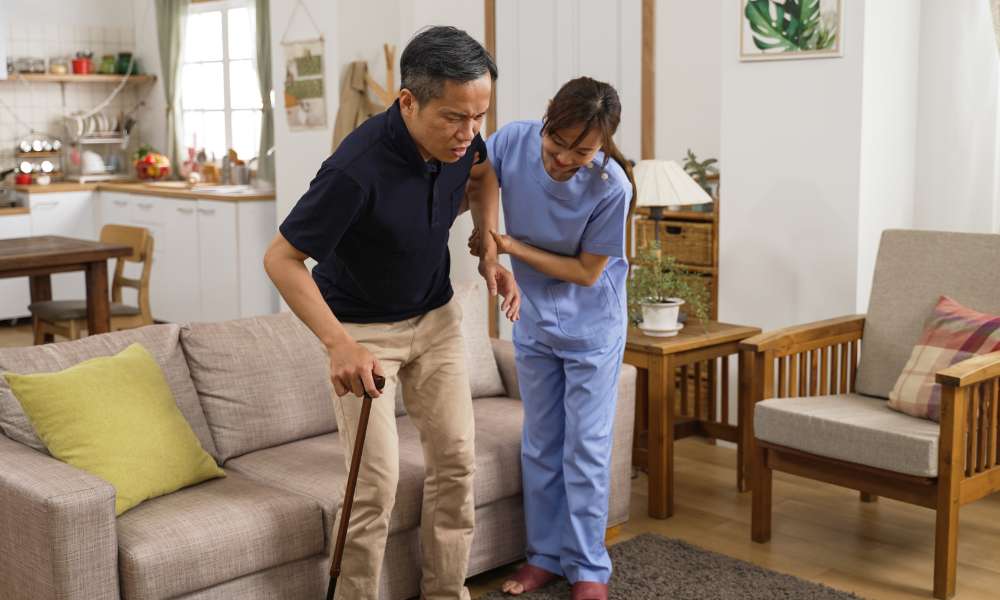
The Support at Home transition guide is a tool used for moving the elderly into a home-based care program. Clear information and step-by-step directions are provided for older adults and their families when changing from one type of care to another. The guide will be used as a roadmap to follow when a person returning home from a hospital stay transitioning to home care.
Transitioning to support at home is a big change for them. It feels confusing and emotional to them. It is a new start for the elderly with new routines and new caregivers. There are new responsibilities for family members. It is where a transition guide becomes very important. It helps everyone understand what is going to happen and what support is available.
Roadmap for care at home
A clear plan is one of the main things a transition guide provides. It may include:
- arranging home visits
- setting up equipment, such as:
- walkers
- hospital beds
- organising medications
- scheduling personal care services
The guide breaks the process into simple steps that are easy to follow, rather than trying to remember everything on your own. The roadmap can help:
- prevent confusion
- reduce mistakes
Families can review what needs to be done and when it should be done. They will adjust who is responsible for today and for the following days. It makes the whole experience more organized.
Understanding available support services
Explaining the services provided at home is another important part of the transition guide. It might include:
- nursing care
- assistance with:
- bathing and dressing
- meal preparation
- medication management
- physical therapy
- emotional support
The transition guide describes how these services are provided and how to request changes when it is needed to change.
Seniors and their families make better choices by understanding the services. They feel more confident knowing that support is flexible. The support can be adjusted based to the health and lifestyle needs of the elderly.
Helping families feel prepared
A move to home support affects the older person. It affects the family members, especially those who will help with the care. The transition guide provides useful tips for family caregivers, which includes:
- advice on how to communicate with care teams
- how to prevent burnout
- create a safe home environment
The information in the home helps families feel more prepared. It will remind them that it is okay to ask for help. The support systems are there to assist them on what to do for caring their elderly.
Improves safety and comfort at home
Safety is a big concern for caring an elderly person at home. The transition guide may include home safety, such as:
- removing trip hazards
- adding handrails
- improving lighting
- adjust furniture placement
The small changes create a big difference in preventing falls and injuries.
The guide focuses on the comfort of the elderly prioritizing it. It explains making the living space easier when moving around, such as:
- A more pleasant space to move and stay in is important to the aged people.
- A comfortable home environment supports the health of the elderly.
Build confidence for the future
Moving into a support at home program can feel more comfortable for family members who love their elderly. The transition guide removes that fear by offering understandable information. People feel more in control when they feel secured and cared for. The confidence makes it easier to:
- accept care
- adapt to new routines
Conclusion
The Support at Home transition program is like having a friendly helper. Direction and reassurance are provided to make the home-based care more comfortable than hospital stays. Getting older does not mean losing your independence. Yet, simply means having the right support in the right place is at the right home.