Unraveling the Mystery: What is Chordee?
Defining Chordee: Anatomy and Function Explained
Chordee is a congenital deformity of the penis that is characterized by a downward curvature, particularly evident during erection. It typically results from a shortening of the connective tissue, known as the penile fibrous tissue, which causes the shaft of the penis to bend. This can potentially interfere with sexual function, affecting not only the individual’s anatomical presentation but also their psychosocial well-being. Understanding chordee requires an appreciation of penile anatomy, including the corpora cavernosa and corpus spongiosum, which are the internal structures responsible for an erection. In optimal circumstances, these structures expand symmetrically to achieve a straight, functional penis. However, in cases of chordee, the disparity in growth or development leads to the characteristic curvature. While mild cases might not necessitate intervention, more severe manifestations often require careful consideration and potential surgical intervention.
The Emotional and Physical Terrain of Living with Chordee
The physical implications of chordee extend beyond mere anatomical anomalies; they intertwine with an individual’s emotional health. Males experiencing chordee may deal with a host of challenges, including feelings of embarrassment, inadequacy, and anxiety related to sexual performance. The psychological burden associated with the condition can lead to low self-esteem and withdrawal from social and romantic interactions. These psychosocial effects are compounded as individuals grow and navigate relationships, often inciting an internal conflict between desire and fear of judgment. Understanding and recognizing the emotional landscape of living with chordee is essential, as it highlights the need for compassionate support and comprehensive treatment protocols that address not just physical symptoms but also emotional wellness.
Causes of Chordee: The Science Behind the Condition
Genetic Factors: Is There a Family Link?
Research indicates that genetic factors may play a significant role in the development of chordee. Familial patterns of the condition suggest a heritable element, though the specific genetic markers remain under investigation. Some studies point towards chromosomal anomalies and congenital syndromes that may predispose certain individuals to develop abnormalities of the penis, including chordee. Conditions such as hypospadias where the urethra develops abnormally, often coexist with chordee, hinting at intertwined developmental pathways during embryogenesis. This raises the importance of genetic counseling for families with a history of penile malformations, as understanding one’s genetic predisposition could inform future pre-natal planning and interventions.
Embryonic Development: When Things Go Awry in the Womb
The pathogenesis of chordee is intricately linked to embryonic development. Typically, the formation of the penis occurs between the 8th and 12th weeks of fetal development. Disruptions in this process, whether due to genetic factors, environmental influences, or endocrine imbalances can lead to anomalies such as chordee. A deficiency in testosterone or abnormal levels of other hormones may hinder the normal development of the penile structures, resulting in a curvature. Furthermore, improper fusion of the urethral folds can cause conditions that coexist with chordee, emphasizing the complexity of embryological development in the context of male genitalia. Insights into these developmental issues underscore the importance of early detection and intervention when necessary, which can significantly improve outcomes for affected individuals as they grow.
Recognizing the Signs: Symptoms of Chordee You Shouldn’t Ignore
Physical Indicators: From the Obvious to the Subtle
Physical symptoms of chordee can vary widely, manifesting from the flamboyant to the subtle. The most evident sign is an observable curvature of the penis, particularly pronounced during erections. However, depending on the severity of the curvature, individuals may also experience difficulties during intercourse or may find certain sexual positions uncomfortable or painful. Other less apparent symptoms include changes in the direction of the urinary stream, which may complicate voiding and lead to associated complications if not addressed. Some individuals may also present with fatal occurrences, such as skin irritations or infections in cases where hygiene is compromised by the penile curvature. In addition to these physical indicators, chordee is sometimes associated with other urogenital defects which further complicate the clinical picture, making early differentiation and diagnosis critical. Careful and empathetic evaluation by a healthcare professional can assist in accurately determining the extent of the condition and planning for appropriate management.
Psychosocial Effects: Understanding the Emotional Impact
The psychosocial implications of living with chordee are profound, often influencing self-identity and social interactions. As previously discussed, individuals may grapple with feelings of shame and embarrassment stemming from their condition, which can lead to avoidance of intimate relationships and social withdrawal. Additionally, cultural stigmas surrounding male sexual health can exacerbate anxiety and feelings of inadequacy. Psychologically, this can result in low self-esteem, depression, and problematic patterns of behavior that correlate with a negative self-image. Engaging in therapies that focus on self-acceptance and healthy communication can drastically alleviate these concerns, providing individuals with tools to enhance their self-worth and navigate their identities more positively. Mental health professionals can guide affected individuals through the complexities of these feelings, reinforcing that they are not alone and that they are deserving of healthy relationships regardless of physical anomalies.
Navigating Treatment Paths: Options for Managing Chordee
Conservative Management: When Surgery Isn’t the Only Choice
In managing chordee, conservative strategies may be implemented, especially in mild cases that present without significant functional impairment. These approaches might include physical therapy, which can help in enhancing flexibility and promoting proper body mechanics as well as emotional support through counseling. Therapy can be particularly helpful for younger patients who might be affected by the psychological implications of their condition, enabling them to build resilience and foster self-acceptance. Furthermore, parents can play a pivotal role by providing emotional backing and educating themselves about the condition, ultimately crafting an environment that ameliorates potential stresses on the child. Moreover, extenuating situations such as embarrassment can be mitigated through implementing healthy coping strategies, thus encouraging children to engage confidently and openly in their social environments.
Reconstructive Surgery: The Road to Recovery and Improvement
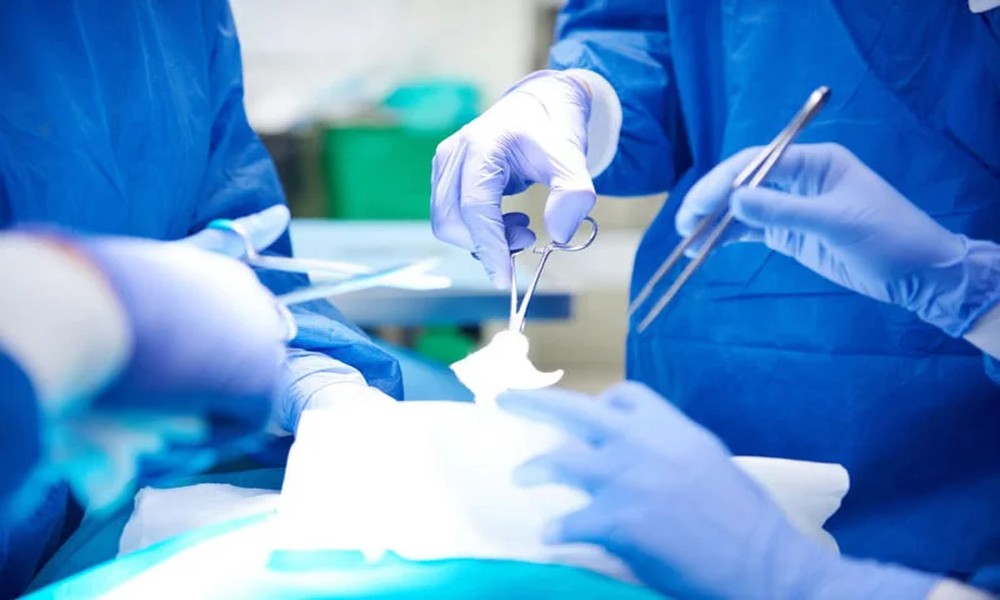
When conservative treatments are inadequate, surgical intervention may become necessary to correct the curvature associated with chordee. Reconstructive surgery is typically recommended in cases where the curvature affects functionality, causing pain or significant psychological distress. Surgical techniques vary from straightening the penis to repositioning the urethral opening, depending on the specific needs of the patient. Urologists often employ methods such as tunica albuginea plication or penile lengthening procedures to address the curvature and improve the overall aesthetic and functional attributes of the penis. Preoperative counseling plays a crucial role in setting realistic expectations and addressing any psychological concerns prior to surgery. Postoperative care and follow-up are equally vital; they not only facilitate healing but also ensure proper emotional support as individuals adjust to their ‘new normal.’ Comprehensive treatment planning validates the complexity of each case while aligning medical intervention with individual patient needs to foster the best possible outcomes.