
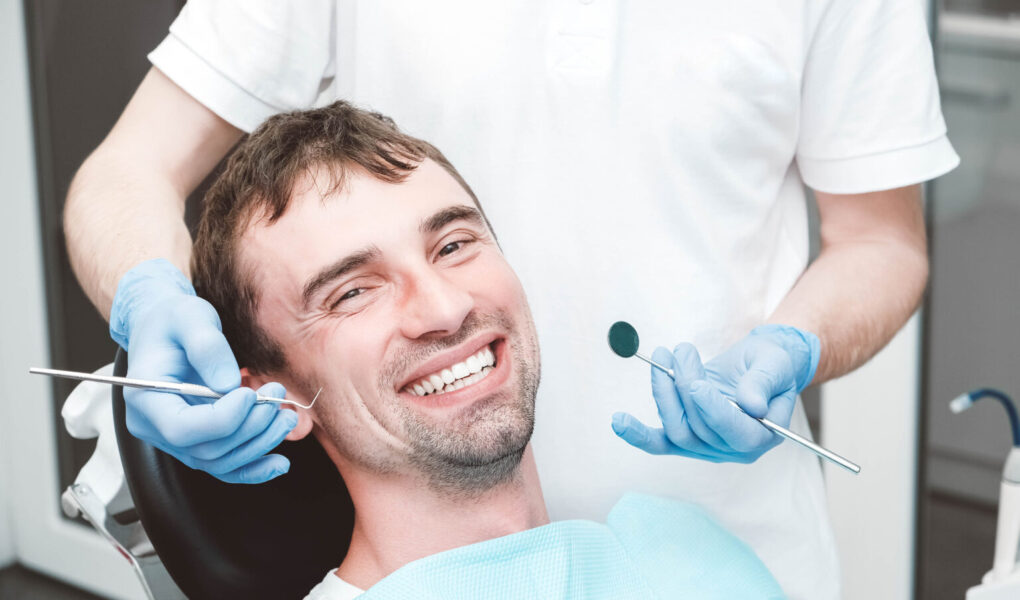
Healthy teeth affect how you eat, speak, and smile. They also affect how you feel about yourself. A family dentist in Plainville, MA helps you protect both your health and your appearance at the same time. Regular visits catch small problems before they turn into pain or infection. They also keep your smile clear, even, and clean. Many people ignore care until something hurts. That choice often leads to tooth loss, costly work, and shame about smiling. Instead, steady family care builds simple habits for brushing, flossing, and food choices. It also creates one safe place for every age. Children, adults, and older adults can all get care that fits their needs. That balance of health and looks is not a luxury. It is basic care that supports your daily life, your job, and your confidence.
Why your family’s oral health shapes your whole body
Your mouth connects to the rest of your body. Infection in your gums can spread through your blood. It can strain your heart and raise your risk for other diseases. According to the Centers for Disease Control and Prevention, untreated tooth decay is common in children and adults. That harm does not stay in your mouth. It can cause missed school, missed work, and constant stress.
Family dentistry focuses on three simple goals. You prevent disease. You treat problems early. You protect your smile so you can eat and speak without fear. When those three pieces stay in balance, your whole body benefits. You sleep better. You chew better. You feel more at ease in social moments.
How family dentistry protects both health and looks
Every visit should guard you in three ways.
- Prevention. Cleanings remove plaque and tartar. Exams find weak spots before they turn into cavities.
- Treatment. Fillings, crowns, and gum care stop pain and infection. Early care keeps more of your natural tooth.
- Aesthetic support. Polishing, repair of chipped teeth, and simple whitening options keep your smile even and clear.
Each step affects the other. A clean, healthy mouth looks better. A good-looking smile motivates you to keep up care. When you like your teeth, you tend to brush, floss, and keep up with visits. That cycle protects your health over time.
Benefits of one dentist for your whole family
When one office treats your whole family, you gain structure and trust. The dentist learns your family history. They track patterns such as weak enamel, gum problems, or crowding in children. That knowledge guides smart choices.
You also save time and stress. You can group visits. You learn one set of office rules. Children watch parents sit through cleanings and feel less fear. Older adults get support with dry mouth, worn teeth, or lost teeth while still feeling part of the same trusted setting.
Health and appearance: a side-by-side look
The same treatment often supports your health and your look at the same time. This table shows common examples.
|
Treatment or Habit |
Health Benefit |
Aesthetic Benefit |
|---|---|---|
|
Twice yearly cleanings |
Lower risk of cavities and gum disease |
Less stain and smoother teeth |
|
Daily brushing with fluoride toothpaste |
Stronger enamel and less decay |
Cleaner, fresher smile |
|
Daily flossing |
Healthier gums and less bleeding |
Tighter gum line and less food stuck between teeth |
|
Fixing chipped or cracked teeth |
Prevents further breakage and infection |
Restores even shape of the tooth |
|
Aligning crowded teeth |
Makes cleaning easier and lowers decay risk |
Straighter smile |
|
Treating gum disease |
Protects bone and lowers tooth loss |
Reduces swelling and redness |
What to expect at a family dentistry visit
You should know what will happen when you sit in the chair. Clear steps calm fear and help you ask for what you need.
- Review. The team checks your history, your medicines, and any new health issues.
- Exam. The dentist looks for decay, cracks, gum swelling, and signs of clenching.
- Cleaning. The hygienist removes plaque and tartar. They polish your teeth to slow stain.
- Plan. You hear what needs care now, what can wait, and what you can do at home.
The National Institute of Dental and Craniofacial Research stresses that early care lowers pain and cost. A short visit twice a year can prevent long, hard visits later.
Helping children build strong habits
Children learn by watching. When you keep your own visits and show simple brushing habits, they follow. A family dentist guides you on three key steps.
- Start cleanings by the child’s first birthday or when the first tooth comes in.
- Use a small smear of fluoride toothpaste and help with brushing until your child can tie their shoes.
- Limit sweet drinks and snacks, especially at bedtime.
A calm office, clear words, and patient staff reduce fear. That early trust can protect your child from years of dental fear and shame.
Supporting adults and older adults
Adults face tight schedules and money pressure. It is easy to push visits aside. Yet untreated decay and gum disease can lead to root canals, tooth loss, and missed work. Routine care protects your income and your sense of control.
Older adults face dry mouth from medicines, a weak grip for brushing, and tooth loss. A family dentist can suggest tools such as larger handled brushes, rinses for dry mouth, and options for missing teeth. That support helps you keep eating solid food and speaking clearly.
Taking your next step
You deserve teeth that let you eat without fear and smile without shame. Family dentistry gives you a clear path. It joins health and appearance in one steady plan. You do not need perfect teeth to begin. You only need a first visit and a choice to return.