Pain is chronic and has a way of changing the routine of life in a quiet manner. It alters the way you walk, the way you sleep, even the way you are sure of going through the world. Conventional therapy is usually a relief to many individuals struggling with recalcitrant tendon traumas or chronic heel and shoulder pain. Innovation comes in the form of providing a non-invasive alternative that will help in activating the body’s repair process,known as eswt shockwave treatment.
Re-writing the Recovery Timeline
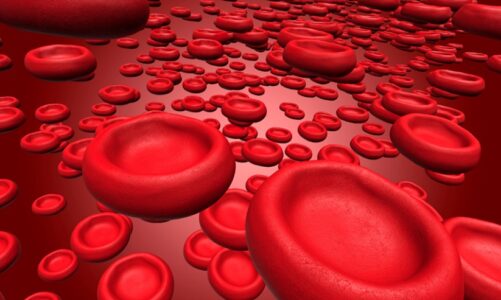
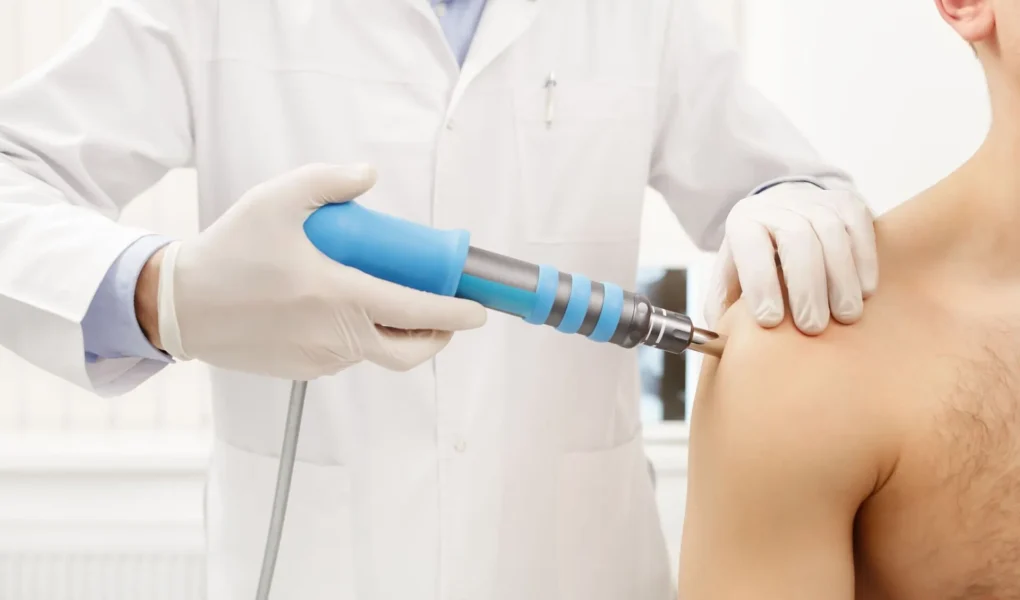
This is in contrast to other therapies that cover the pain, as this method involves the provision of controlled acoustic waves to damaged tissues. These pulses cause microtrauma at the cellular level, which promotes blood circulation and the release of growth factors that will cause regeneration. In turn, the body initiates a natural healing cascade- it starts to heal, not to simply numb the area.
Athletes who have Achilles tendinopathy, professionals who are fighting tennis elbow or those who are fighting with plantar fasciitis tend to get their mobility renewed after a few sessions. Every procedure normally takes less than 30 minutes, does not involve any anaesthesia, and the patients can resume their everyday activities shortly. It gives one a psychological lift knowing that recovery does not require surgery or a long period of rest.
Focused Treatment of Accurate Curation
Recent equipment enables the adjustment of depth, frequency, and intensity to customise the sessions to particular conditions by clinicians. During the intermediate phases of care, most patients begin to experience progressive gains in flexibility and a decrease in inflammation, which is an encouraging indicator that the tissue is remodelling under the surface. ESWT for erectile dysfunction is not just a procedure when it is carefully part of a larger rehabilitation process; it is a turning point.
The science behind this approach is still growing, and it finds application in the fields of sports medicine and orthopaedics. Studies underline that it is capable of activating collagen synthesis and dissolving calcifications, which are major aspects in treating chronic soft tissue disorders. This therapy is also in keeping with an increasing trend towards regenerative medicine because it works with the underlying biological mechanisms instead of the symptoms themselves.
Conclusion
The pain can be chronic, yet the ability of the body to heal itself under the influence of the appropriate stimulus is also persistent. This innovative wave-based treatment is a promising direction forward for people who want their recovery to be sustainable, and by engaging internal repair mechanisms, they do not face any invasive treatment. It is not only a relief to the person weary of a temporary solution–but a restoration.