
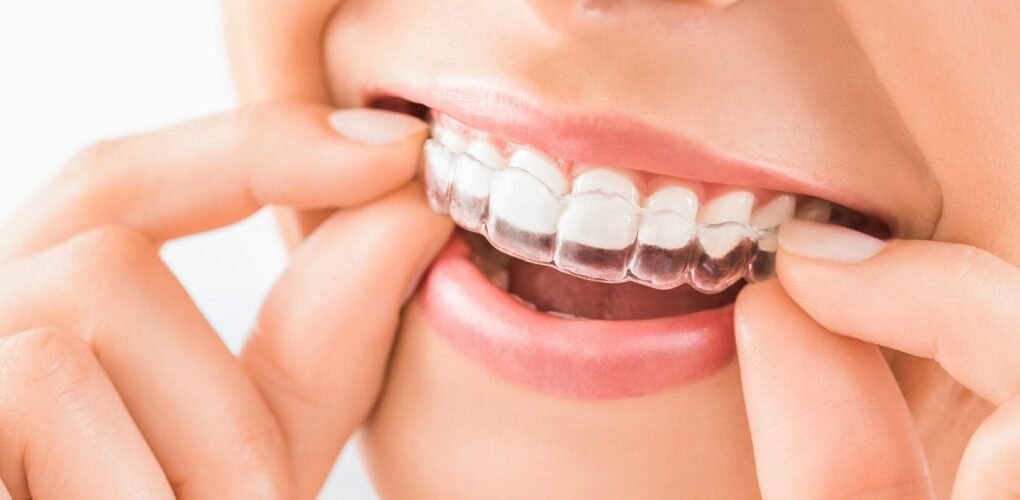
Aligner therapy usually raises predictable questions, including the timeline. The alignment corrections vary between patients, with no standard. Case severity, starting tooth position, and individual biological response all pull the timeline in different directions. 360 Orthodontics Invisalign in Los Angeles builds each treatment plan around what the specific case requires. The projected duration reflects that assessment rather than a blanket schedule imposed across all presentations.
Six to eighteen months covers mild to moderate cases. That window shifts considerably when significant crowding, bite discrepancy, or multiple simultaneous corrections enter the picture. The total tray count in a prescribed plan serves as the most reliable duration indicator, since each tray advances through one stage of a progressive movement sequence before the next begins.
Case complexity matters
Severity is the primary driver of plan length. Cases at different complexity levels produce meaningfully different timelines:
- Mild presentations with minor spacing and crowding corrections tend to conclude within six to eight months, provided wear schedules hold throughout.
- Moderate presentations carrying more pronounced crowding, spacing concerns, or early bite work generally land in the ten to fourteen-month range.
- Complex presentations with severe misalignment, substantial bite correction, or layered simultaneous movements extend into the eighteen to twenty-four month range. Biological response at each stage influences where within that range the case ultimately lands.
These projections assume consistent aligner wear and attended progress appointments. Either variable slipping affects the outcome.
Wear time drives results
Twenty to twenty-two hours of daily wear is a clinical requirement built into each tray. Every aligner in the sequence carries a specific movement target calculated on the assumption that the tray is worn for the prescribed duration. Fall short of that, and the tray leaves incomplete. That incomplete movement does not disappear. It carries forward as a gap between where the tooth was planned to be and where it actually sits when the next tray begins.
Across several trays, that gap widens. When it reaches a point where the remaining aligner sequence can no longer compensate, refinement trays are prescribed. Refinements are additional aligner sequences that correct accumulated deviation before the plan closes. They add weeks to the timeline at a minimum, sometimes months. Patients who wear the amount over the full treatment duration have plans that conclude closest to the original projection.
Attachments influence movement
Tooth-colored attachments bonded to specific teeth during treatment give aligners a mechanical anchor for movements that flat plastic surfaces cannot execute with sufficient precision on their own. Their presence in a plan reflects the complexity of what is being corrected. Cases that call for attachments typically involve the following:
- Rotational correction where a tooth needs to turn along its vertical axis
- Vertical movement that requires a controlled force point beyond what the aligner edge provides
- Torque adjustments where the root and crown need to move in opposing directions simultaneously
- Controlled tipping that demands a more fixed application surface than the tooth face alone offers
Attachments do not add time to a plan directly. What they signal is the mechanical complexity involved. This complexity is already accounted for in the tray count from which the treatment duration is projected.
A treatment plan’s actual duration comes down to how accurately the case was assessed at the start. It also depends on how consistently wear requirements are met across every tray, and how the teeth respond to planned movement through each stage. Plans that stay on track tend to close near their original projections. The variables that push timelines out are largely within the patient’s control, which is what makes the initial projection a realistic target rather than an optimistic estimate in most cases.