

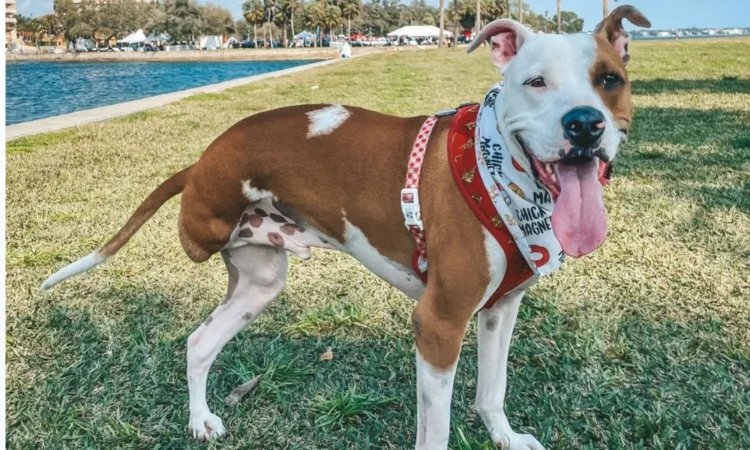

You may have walked into a routine visit at a veterinary clinic in Valencia County, NM and left hearing a word you never expected. Amputation. For many pet owners, that moment lands hard. Your mind jumps straight to pain, mobility, cost, and whether your dog or cat will still enjoy life. Those fears are real, and they deserve more than a rushed answer.
In many cases, limb removal is recommended because it offers the best chance to stop pain, remove a dangerous tumor, or treat a severe injury that cannot heal well. Pets often adapt better than people expect, but that does not mean the decision feels easy. Asking the right questions helps you move from panic to a clear plan for your pet and your family.
The reason for pet limb amputation shapes every other decision
The first question to ask is simple. Why is amputation being recommended instead of another treatment? The answer matters because a crushed leg, a nerve injury, and bone cancer do not carry the same risks or goals.
Sometimes a limb cannot be saved because the damage is too severe, blood supply is lost, or infection has taken over. In other cases, the concern is cancer, especially osteosarcoma. If cancer is suspected, ask what testing is needed before surgery and whether your veterinarian recommends imaging, biopsy, or staging tests. Cornell outlines how diagnosis and staging help show whether disease has spread and what treatment path makes sense.
This is where many owners get stuck. If there is even a small chance of saving the limb, should you keep trying? That depends on whether limb-sparing treatment will leave your pet comfortable and functional, or simply extend suffering. A clear diagnosis keeps hope from turning into delay that hurts your pet.
Your pet’s comfort and long term mobility deserve direct answers
The next question is whether your pet can truly do well on three legs. Most dogs and cats can. They do not measure their lives by symmetry. They care about whether they can move, rest, eat, and be with you without pain.
Ask your veterinarian how your pet’s age, weight, arthritis, and overall health affect recovery. A young, lean dog with one damaged leg often adjusts quickly. An older pet with joint disease in the remaining limbs may need a more tailored recovery plan. Texas A&M explains that many pets have a strong quality of life after amputating a pet’s limb, especially when the painful limb is the main problem.
You also want details, not general reassurance. How long will pain medication be needed? Will stairs be a problem? Will your cat still reach the litter box easily? Will your dog need a sling for the first week? These are the day to day questions that tell you what life will actually look like after surgery.
Costs, follow up care, and hidden demands should be discussed early
The third question is what the full treatment plan will cost, including what comes after surgery. The surgery itself is only part of the picture. There may be bloodwork, imaging, pathology, medications, recheck visits, rehab support, and in cancer cases, chemotherapy.
This can feel overwhelming fast. You may be trying to make a medical decision while also doing mental math about your savings and schedule. Ask for an itemized estimate. Ask what is essential now, what may be needed later, and what signs would mean more treatment is necessary.
If cancer is part of the diagnosis, ask whether clinical trials or specialty referral options exist. The University of Illinois discusses osteosarcoma in dogs and current clinical trials for osteosarcoma, which may be worth discussing depending on your pet’s case.
The surgical risks and expected recovery timeline should be specific
The fourth question is what could go wrong and what recovery usually looks like. Every surgery has risk. You need to know the common complications, such as infection, delayed healing, pain control problems, or strain on the remaining limbs.
Ask how long your pet will stay in the hospital, when walking usually starts, and what restrictions will be in place at home. The American College of Veterinary Surgeons offers a clear overview of limb amputation in small animals, including the basics of surgery and recovery.
It also helps to ask what success looks like at one week, one month, and three months. If your dog refuses to stand after two days, is that expected or urgent? If your cat seems withdrawn, is that normal pain behavior or a sign something is wrong? Specific guidance cuts down on the fear that comes from second guessing every small change.
Comparing the main concerns around amputation for pets
| Concern | What to Ask | What Often Follows |
|---|---|---|
| Pain | Will surgery reduce more pain than it causes in recovery? | Many pets become more comfortable once a severely painful limb is removed. |
| Mobility | How will age, weight, and arthritis affect movement on three legs? | Lean pets without major joint disease often adapt faster. |
| Cancer risk | Has the disease been staged, and has spread been checked? | Staging helps guide surgery, oncology care, and prognosis. |
| Cost | What is included in the estimate, and what additional care may follow? | Imaging, pathology, medications, and rechecks may add to the total. |
| Home care | What help will my pet need with stairs, bedding, feeding, or litter box use? | Short term support is common, especially in the first two weeks. |
Clear next steps make a hard decision more manageable
Ask for the diagnosis in plain language. Have your veterinarian explain the exact problem, the goal of surgery, and whether there are realistic alternatives. Write down the answers. Stress makes details vanish.
Request a full recovery outline. Ask for a day by day picture of the first week and a week by week picture after that. This helps you prepare your home, arrange time off, and know what normal healing looks like.
Get the complete financial picture. Ask for an estimate that includes surgery, medication, follow ups, and possible extra treatment. If your pet may need oncology care, discuss that before surgery so there are no surprises.
Hearing that your pet may need an amputation can make everything feel uncertain at once. Still, many pets do very well after pet limb amputation, and many owners say the hardest part was the fear before surgery, not life after it. The right questions can turn a painful decision into a thoughtful one, grounded in comfort, function, and quality of life. If your veterinarian is recommending limb removal for pets or another form of animal hospital surgical care, ask for clear answers and a plan you can follow with confidence.