
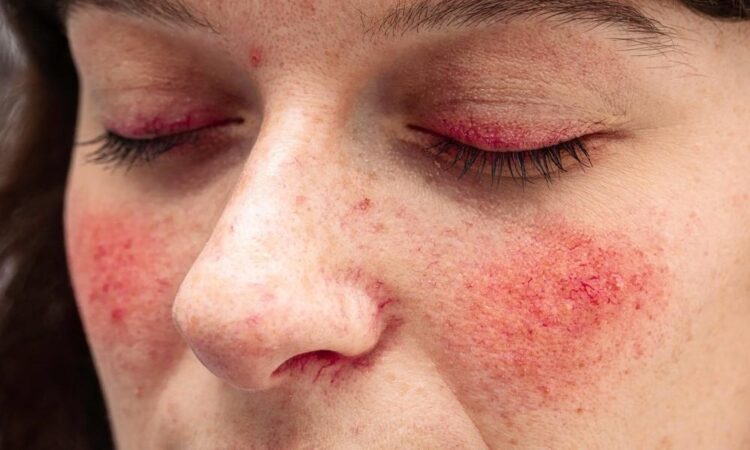
Many people worldwide live with rosacea, a common chronic skin condition. It is characterised by persistent redness and visible vessels on the face. This visible issue can significantly impact daily life and self-esteem.
Research reveals a powerful two-way link between psychological stress and physical symptoms. Feeling stressed or embarrassed often worsens the skin’s visible signs.
According to the National Rosacea Society, about 69% of rosacea patients report a monthly flare-up linked to stress. The visible nature of the condition can create feelings of stigmatisation. This feeds back into more psychological distress.
Understanding this cycle is crucial for managing the skin problem effectively. Recognising emotional patterns helps develop strategies to reduce flare frequency and severity.
Key Takeaways
- The connection between emotional states and skin flare-ups is bidirectional.
- High stress levels are a common reported trigger for symptom exacerbation.
- Visible facial symptoms can negatively affect psychological and social wellbeing.
- Millions of people are affected by this chronic condition globally.
- Managing emotional triggers forms a vital part of comprehensive care.
- Recognising personal stress patterns can help in anticipating and mitigating flares.
The Science Behind Rosacea and Stress
Scientific research has uncovered the biological pathways that connect mental strain with skin inflammation. This link is rooted in the body’s complex stress response system.
Inflammatory Responses and Skin Sensitivity
This chronic condition is fundamentally an inflammatory disease. An overactive immune response causes redness, swelling, and heightened sensitivity.
Several inherent factors make the facial skin more reactive. These include a compromised protective barrier and genetic predisposition.
| Factor | Role | Impact |
|---|---|---|
| Immune System | Triggers inflammation | Leads to redness and swelling |
| Skin Barrier | Protects against irritants | When weak, increases sensitivity |
| Blood Vessels | Regulate facial blood flow | Abnormal dilation causes persistent redness |
How Stress Triggers Flare-ups
During periods of tension, the body releases hormones like cortisol and adrenaline. These chemicals initiate a cascade of physical changes.
They directly activate inflammatory pathways. This worsens existing facial symptoms such as burning sensations.
Stress also overstimulates the sympathetic nervous system. This can cause blood vessels to dilate or constrict erratically, leading to intense flushing.
Understanding this science shows why managing psychological pressure is a core part of effective care.
Rosacea and Emotional Triggers
The interplay between psychological state and skin flare-ups forms a complex feedback loop. Recognising personal patterns is essential for breaking this cycle.
Recognising Symptom Patterns
A 2021 study found that patients often experience higher rates of emotional distress. This includes depression, anxiety, low self-esteem, and frustration.
Survey data reveals the profound impact on daily life. Ninety percent reported lowered self-confidence due to their appearance. Eighty-eight percent experienced embarrassment.
Feelings of stigmatisation are common, particularly among male patients. Those affected are more likely to avoid social situations and report depression.
| Trigger Category | Specific Examples | Potential Impact |
|---|---|---|
| Environmental | Sun exposure, extreme temperatures, wind | Direct inflammation and flushing |
| Dietary | Spices, alcohol, heated beverages | Vascular dilation and increased redness |
| Lifestyle | Heavy exercise, certain skincare products | Physical strain or irritation |
| Emotional | Stress, anxiety, embarrassment | Neurogenic inflammation and flushing |
Keeping a detailed symptom diary helps identify personal catalysts. Record the date, time of day, emotional state, and recent activities during a flare.
Note weather conditions and any exposure to known triggers. Over several weeks, patterns will emerge, linking specific situations to worsening redness.
However, constant vigilance can itself become a source of distress. This hyper-vigilance may worsen anxiety levels, creating a challenging cycle.
Understanding one’s unique triggers is therefore a cornerstone of effective management. It empowers individuals to anticipate and mitigate flares.
Expert Insights and Holistic Management
A holistic approach to care combines dermatological treatment with mental health support. This dual focus is key for effective long-term management.
Leading experts provide valuable information for those living with this challenging condition.
Advice from Surgical Arena Ltd
Surgical Arena Ltd emphasises a personalised protocol. Their dermatologists conduct a comprehensive assessment of each patient.
This evaluation considers genetic, environmental, and psychological factors. The goal is to identify individual triggers and create a tailored plan.
Professional guidance from a specialist dermatologist is crucial. It helps patients gain better control over their skin health.
Recommendations from The Psychodermatologist
The Psychodermatologist highlights the mind-skin connection. Dr. Richard Fried describes a “perfect storm” of contributing factors.
“Some individuals are more at risk… There is probably a combination where there is a perfect storm of factors, including genetic predisposition… childhood experiences… and current life circumstances.”
He recommends dermatologists acknowledge the difficulty of a visible skin condition. Empathy alongside treatment builds trust.
Cognitive behavioural therapy (CBT) can reduce anxiety and stress. A basic skincare routine and daily SPF 30+ sunscreen are also vital.
Resources like the National Rosacea Society offer support. They fund studies and provide specialist directories.
Conclusion
Living with a visible facial condition requires a long-term, integrated strategy for both physical and mental health. Effective management breaks the cycle where psychological stress worsens skin symptoms, and visible redness fuels distress.
Recognising personal triggers through tracking is essential. Practical steps like regular exercise, good sleep, and mindfulness can reduce flare-ups. This empowers patients to take control.
Seeking professional support is crucial. A dermatologist can tailor treatments and identify catalysts. A therapist can help address the anxiety that often accompanies this condition.
While rosacea is chronic, this holistic approach offers hope. It can significantly improve daily life for people managing their skin health.