
Small issues grow fast. In any busy gym, wear builds up each day, which most people never notice. Over time, loose bolts, frayed cables, and worn belts can fail without warning and create real safety concerns. What begins as minor wear can quickly become a larger problem when maintenance is delayed.
Costs can also increase when equipment is not serviced regularly. Skipping inspections often leads to more expensive repairs later. When machines remain out of order, it can affect confidence in the training environment and interrupt consistent workouts. For individuals training in structured environments, reliable equipment supports both safety and long-term progress.
Equipment Failure Leads to Injury Risks
Faulty equipment can fail without warning, increasing the likelihood of injury during normal workouts. These risks often develop gradually when routine inspections are overlooked. For those working with the best personal trainer in Nashville, equipment safety remains an important part of training.
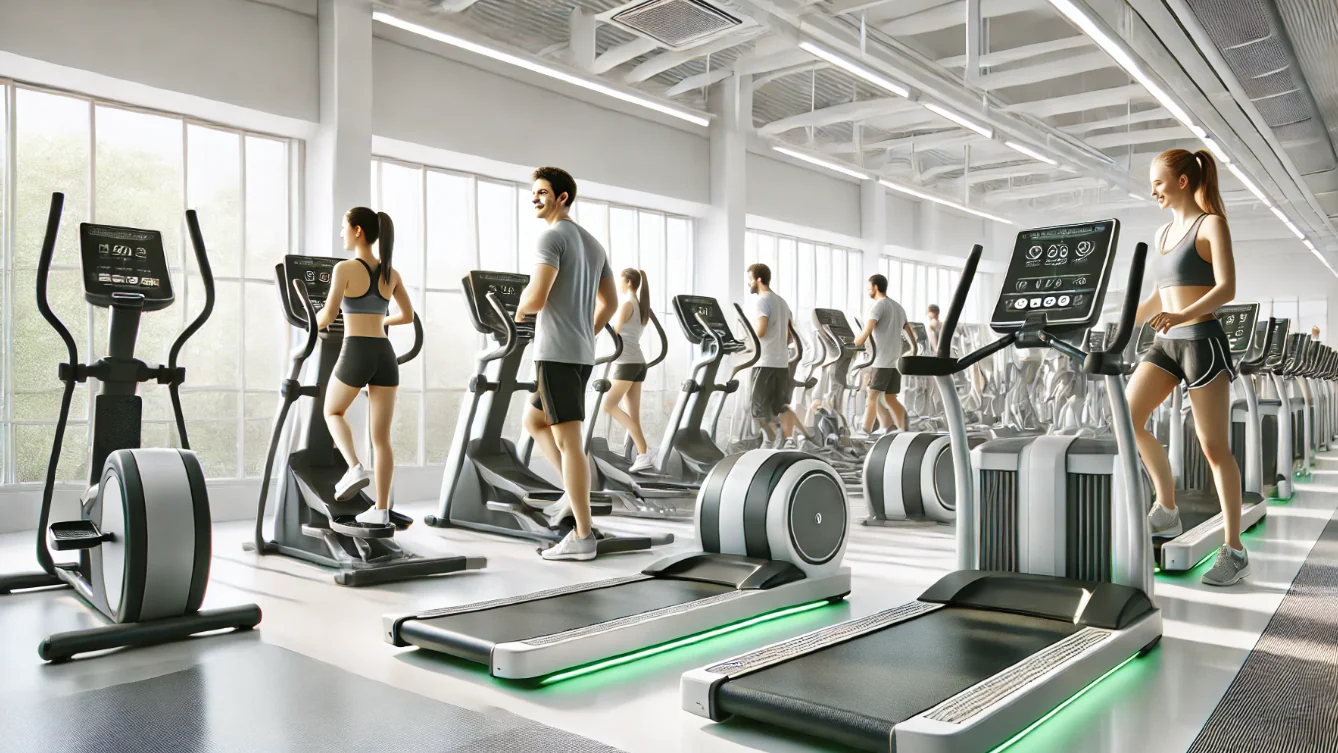
- Sudden mechanical malfunctions: Cardio machines such as treadmills may stop abruptly or change speed unexpectedly, increasing the risk of falls or imbalance during use.
- Structural instability under load: Benches, racks, or adjustable equipment may weaken over time. If structural components are not maintained, they may fail during normal use.
- Exposed moving parts: Missing guards or worn components can increase the risk of contact injuries, especially in high-traffic training environments.
Consistent equipment checks help reduce these risks and support safer workouts.
Neglected Maintenance Increases Repair Expenses
Equipment maintenance is not only about safety. It also affects long-term operational costs and equipment lifespan.
- Minor issues escalate: Small problems such as worn cables or loose parts can become larger repairs if not addressed early. Preventative maintenance often reduces long-term costs.
- Increased strain on components: Dust buildup and lack of lubrication can place additional stress on motors and moving parts, leading to faster wear.
- Cascading damage: When one part fails, it can affect surrounding components, increasing the scope and cost of repairs over time.
Regular maintenance helps extend equipment life and supports consistent availability for training.
Poor Upkeep Affects Gym Member Satisfaction
The condition of equipment plays a significant role in how members experience a fitness environment. Clean, well-maintained machines support confidence and consistency.
- Unavailable equipment: Frequent out-of-service machines limit workout options and disrupt training plans.
- Interrupted progress: Repeated breakdowns can interfere with structured routines, especially for individuals following guided programs.
- Visible wear: Worn or unstable equipment may reduce confidence in the overall training environment.
- Delayed replacement: Continued use of outdated or damaged equipment can signal a lack of upkeep and affect member trust.
For individuals exploring gyms in Nashville, equipment quality often influences long-term satisfaction and consistency.
Maintenance Supports Safer Training and Consistent Progress
Equipment care plays a direct role in both safety and performance. Worn components, loose fittings, and neglected machines can increase the risk of injury and interrupt progress. Addressing small issues early helps prevent larger problems that may impact training consistency.
At Next Level Fitness, attention to detail supports a structured training environment where safety and performance work together. Reliable equipment allows individuals to focus on movement quality, strength development, and recovery without unnecessary interruptions.
Consistent maintenance supports a safer experience and helps create an environment where long-term progress remains the priority.