

Your mouth often tells the first story about your health. Small changes in your teeth or gums can warn of bigger problems that grow quietly over time. You might notice a tiny chip, a dull ache, or light bleeding when you brush. You might also ignore it. Regular visits with a trusted Hilliard dentist help stop that quiet damage before it spreads. Family dentistry focuses on steady, repeated care for every age. It lets your dentist watch patterns, track changes, and catch trouble early. That includes cavities, gum disease, teeth grinding, and even signs of diabetes or heart disease. Early detection means shorter treatments. It also means less pain, lower cost, and less time away from work or school. When your whole family sees the same dentist, you gain shared records, clear advice, and one simple plan to protect your health.
Why early detection matters for your family
Dental problems rarely appear overnight. They grow step by step. You often feel nothing at first. By the time you feel sharp pain, damage is already deep.
Through regular family visits, you give your dentist a clear timeline of your mouth. You also give your children a safe routine that lowers fear and shame. That steady pattern helps catch three common concerns early.
- Cavities that start as soft spots or white lines
- Gum disease that begins with swelling and light bleeding
- Teeth grinding that first shows as tiny wear marks
The Centers for Disease Control and Prevention explains that untreated cavities and gum disease can lead to infection and tooth loss. Early detection turns a possible emergency into a simple visit.
How family dentistry spots problems early
Family dentistry uses routine steps that work together. Each visit builds on the last one. You gain a clear picture of your mouth over time.
Your visit usually includes three key parts.
1. Regular cleanings and exams
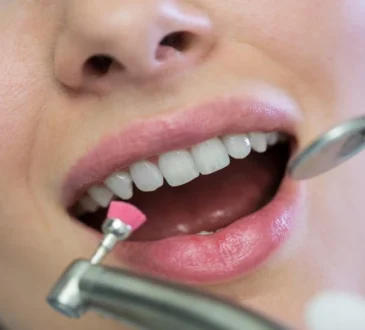
You see your dentist and hygienist. They remove plaque and tartar. They also check your teeth, gums, tongue, and cheeks.
During this time, they look for:
- Small pits or stains that may be early cavities
- Red or puffy gums that suggest early gum disease
- Loose teeth or shifting bite
These checks take minutes. The results can spare you long-term treatment later.
2. X-rays and photos
Some problems hide between teeth or under old fillings. Your dentist uses X-rays and photos to see what your eyes cannot.
X-rays can show:
- Cavities between teeth before they reach the nerve
- Bone loss that points to gum disease
- Impacted teeth in children and teens
Photos help track changes in chips, cracks, or worn spots. Over time, your dentist can see if a small change stays stable or grows.
3. Health history and habits
Family dentistry looks at your mouth and your daily life together. You share your health history, medicines, and habits. Your dentist listens for patterns.
Certain health problems raise your risk of dental concerns. For example, diabetes can increase gum problems. Dry mouth from medicine can cause cavities. Teeth grinding from stress can crack fillings.
The National Institute of Dental and Craniofacial Research shows links between oral health and conditions like diabetes and heart disease. When your dentist knows your full story, you get care that fits your life.
Common concerns caught early in family visits
Family dentistry often finds the same types of concerns at a stage when they are easier to treat.
- Cavities. You can often treat early spots with small fillings or fluoride care.
- Gum disease. Early gum issues respond well to cleanings and better home care.
- Teeth grinding. Your dentist may suggest a night guard before fractures form.
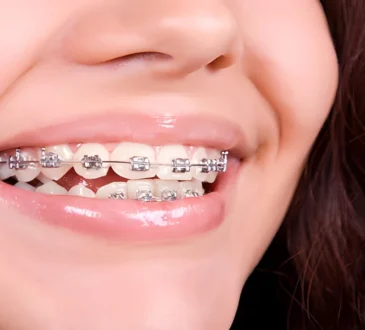
- Alignment concerns. Crowding or bite issues in children can be addressed before the bones harden.
- Oral cancer signs. Your dentist checks for sores or patches that do not heal.
When you bring children, teens, adults, and older adults to the same office, your dentist can see patterns across your family. That pattern can help predict and prevent concerns in younger members.
How early detection affects time, pain, and cost
Early detection does more than protect your teeth. It also protects your time, comfort, and wallet.
Early care compared to delayed care
|
Type of concern |
If caught early |
If found late |
|---|---|---|
|
Cavity |
Small filling. One quick visit. Low cost. |
Root canal or extraction. Many visits. High cost. |
|
Gum disease |
Deep cleaning. Better brushing and flossing. Teeth stay strong. |
Tooth loss. Possible surgery. Trouble chewing. |
|
Teeth grinding |
Night guard. Simple habit changes. Less jaw pain. |
Cracked teeth. Worn fillings. Crowns or extractions. |
|
Alignment issue in child |
Guided growth. Shorter brace time. |
Complex braces. Possible jaw surgery. |
This pattern repeats. Early care is shorter. Late care is longer and harder. Family dentistry keeps you on the early side.
What you can expect at different ages
Each stage of life brings its own dental concerns. Family dentistry plans around them.
Young children
- First visit by age one or when the first tooth appears
- Checks for early decay, thumb sucking effects, and injury
- Guidance on brushing, diet, and fluoride
School age children and teens
- Monitoring for cavities, crowding, and sports injuries
- Talk about sugary drinks, snacks, and tobacco risks
- Planning for braces if needed
Adults
- Watching for gum disease, grinding, and wear
- Checking old fillings and crowns
- Screening for signs of oral cancer
Older adults
- Support with dry mouth and medicines
- Care for dentures, bridges, and implants
- Extra checks for root decay and bone loss
When one office knows your story from childhood through older age, nothing gets missed in the handoff.
How to use family dentistry to stay ahead
You can take three simple steps to use family dentistry for early detection.
- Schedule regular visits every six months, or as your dentist advises.
- Share full health and medicine history at each visit.
- Ask clear questions about what your dentist sees and what you should watch at home.
Then teach your children to speak up about tooth pain, bleeding, or mouth sores. When every family member treats small changes as important, you reduce the chance of sudden crisis.
Protecting your health through steady family care
Your teeth and gums carry clues about your whole body. Family dentistry gives those clues a voice before they turn into urgent problems. With regular visits, honest talks, and shared records, you give your family strong protection.
You do not need perfect teeth. You only need a steady plan, early checks, and a trusted team that knows your story. That is how family dentistry supports early detection and calmer, safer care for every person you love.