

Preventive care in family dentistry protects your mouth, your comfort, and your budget. You do not wait for pain. You stop problems before they grow. You learn simple habits that block cavities, gum infection, and tooth loss. You get cleanings on a set schedule. You use fluoride and sealants when needed. You guide your children early so they avoid fear and shame about their teeth. You also watch how teeth line up. Crooked teeth trap food and strain your jaw. Clear aligners can correct this in a quiet way. Invisalign Ladera Ranch, CA gives you an option that fits work, school, and family life. Regular checkups, honest talks with your dentist, and steady home care form a strong shield. Together, these steps keep your smile steady and your health more secure.
Why preventive care matters for every age
Tooth decay is common in children and adults. Untreated decay can cause infection, missed school, missed work, and high bills. The Centers for Disease Control and Prevention explains that fluoride, sealants, and cleanings cut this risk in clear ways.
Preventive care supports three goals. You keep teeth. You lower pain. You control cost. You also protect your heart, lungs, and blood sugar. Poor mouth care links to heart disease and diabetes. When you care for your mouth, you support your whole body.
Daily home care that works
Your bathroom is the front line. Simple tools used every day give strong protection.
- Brush twice each day with fluoride toothpaste
- Clean between teeth once each day with floss or a brush
- Limit drinks and snacks with sugar
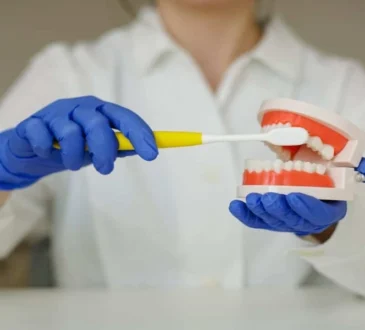
First, brush for two minutes. Use a soft brush. Aim the bristles at the gum line. Move in small circles. Spit out the foam. Do not rinse with water. This keeps fluoride on your teeth longer.
Second, clean between teeth. Slide floss between teeth. Curve it into a C shape. Move up and down along each side. If floss is hard to use, try small brushes or floss holders. Children learn by watching. Let them see your routine. Then help them with their own brushing until they can tie their shoes.
Third, watch what you drink and eat. Sip water during the day. Hold sweets for mealtimes. Constant snacking feeds the germs that cause decay.
Professional cleanings and checkups
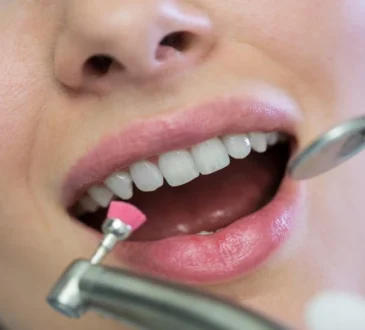
Home care is not enough. You also need regular visits. Most people need cleanings every six months. Some need them more often if they have gum disease, braces, or health problems.
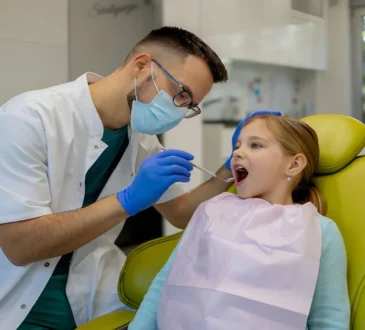
During a visit, the team checks for three things. They look for decay. They look for gum infection. They look for changes in bite, jaw, or soft tissue. X-rays help find problems early. Early care often means small fillings instead of root canals or extractions.
The National Institute of Dental and Craniofacial Research explains that early detection reduces tooth loss and pain.
Fluoride and sealants for children and adults
Fluoride makes enamel harder. You get fluoride in toothpaste, some drinking water, and office treatments. Varnish treatments painted on teeth help children and high-risk adults. These visits are quick and painless.
Sealants are thin coatings placed on the chewing surfaces of back teeth. They block food and germs from settling in deep grooves. Children gain strong benefits from sealants. Some adults with deep grooves gain help too.
Fluoride vs sealants at a glance
|
Feature |
Fluoride |
Sealants |
|---|---|---|
|
Main purpose |
Strengthen all tooth surfaces |
Cover grooves on chewing surfaces |
|
Best for |
Children and adults with any decay risk |
Children with new molars and high risk |
|
How applied |
Toothpaste, rinse, gel, or varnish |
Painted liquid that hardens under light |
|
Visit time |
Few minutes |
Few minutes per tooth |
Preventing gum disease
Gum disease starts silently. Your gums may bleed when you brush. They may look red or puffy. You may notice bad breath. These are early signs. At this stage, better brushing, flossing, and cleaning can reverse the damage.
If you wait, bone around teeth can break down. Teeth can loosen. You may need deep cleanings, medicine, or surgery. Smoking, stress, pregnancy, and diabetes raise your risk. You protect your gums when you keep blood sugar in range, quit tobacco, and keep all cleaning visits.
Keeping teeth straight and strong
Teeth that crowd or cross are hard to clean. Food sticks. Plaque grows. Gums suffer. Straight teeth are easier to brush and floss. Children and adults both benefit from bite checks.
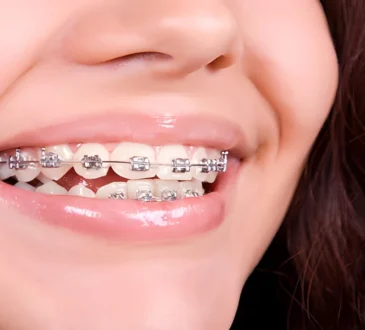
Clear aligners and braces move teeth into better lines. This is not only about looks. It is about chewing, speaking, and jaw comfort. When teeth fit together well, they chip less and wear less. You spend less time fixing broken edges and fillings.
Healthy habits for the whole family
Preventive care works best when every person in the home takes part.
- Set one brushing time in the morning and one at night for all
- Use a wall chart for children to track brushing and flossing
- Keep a small bag with a brush and paste in the car or backpack
Next, protect teeth during sports. Use mouthguards for contact sports and for children with braces. Also, limit juice, soda, and sticky snacks in lunchboxes. Offer cheese, nuts, and crunchy vegetables instead of candy when possible.
Planning your preventive care schedule
You can use a simple plan. Pair dental visits with other yearly habits. You might schedule cleanings near school breaks or around your yearly physical. Mark visit dates on a calendar at home and in your phone.
During each visit, ask three questions. Ask what you are doing well. Ask what needs to change. Ask what risk you face next year. Then write down the answers. Small steps done each day and each visit lead to strong teeth and fewer emergencies.
When you choose steady preventive care, you avoid many sudden shocks. You guard your health, your time, and your money. You also give children a clear message. Their mouths matter. Their comfort matters. Their future smiles matter.