
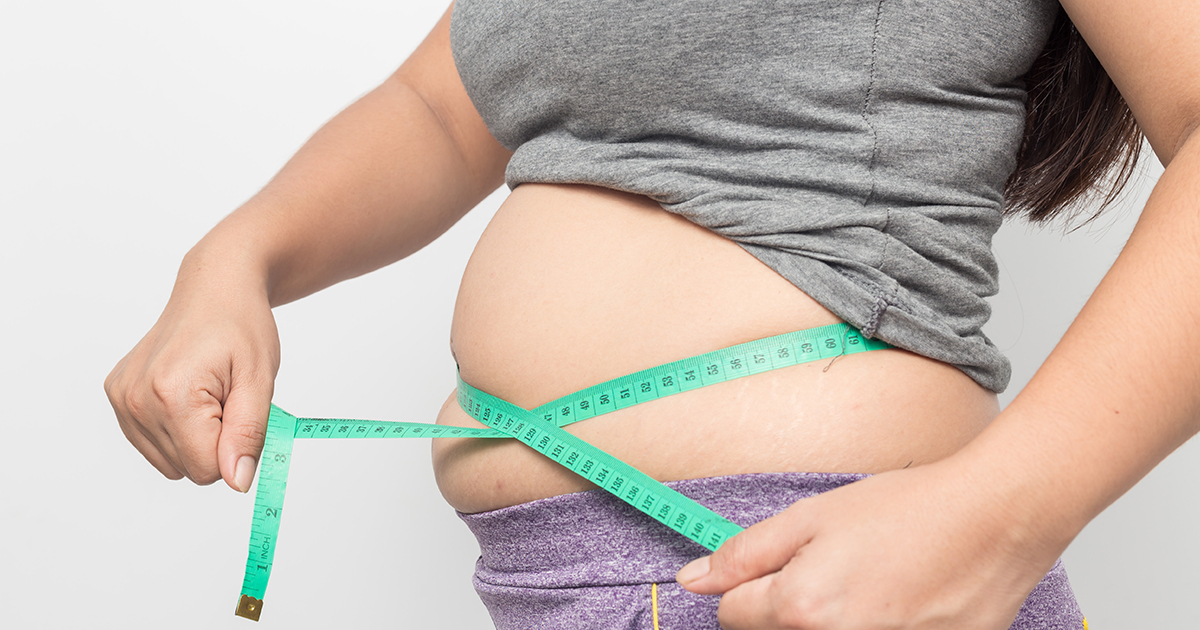
Stubborn fat—the last deposits that refuse to budge despite diet and exercise—responds differently to standard fat loss approaches. The lower belly, love handles, and hip areas have physiological characteristics that make them resistant to mobilization. Fasting specifically addresses several of these barriers, making it a particularly useful tool for stubborn fat loss.
Understanding the mechanisms of targeting stubborn belly fat reveals why fasting can succeed where other approaches plateau.
Why Stubborn Fat Is Different
Not all fat is created equal. Stubborn fat areas differ from easy-to-lose fat in several ways:
Alpha-2 Receptor Dominance
Fat cells have two types of adrenergic receptors:
· Beta receptors: Stimulate fat release (lipolysis)
· Alpha-2 receptors: Inhibit fat release
Stubborn fat areas (lower belly, hips, thighs) have higher concentrations of alpha-2 receptors. When catecholamines (adrenaline/noradrenaline) bind to these receptors, they actually block fat mobilization rather than promote it.
Higher Insulin Sensitivity
Stubborn fat areas are often more sensitive to insulin’s anti-lipolytic effects. Even small elevations in insulin—levels that wouldn’t affect other fat depots—can shut down fat release from these areas.
Reduced Blood Flow
Stubborn fat areas have lower blood flow compared to other fat depots. This means:
· Fewer catecholamines reach the area
· Released fatty acids transport away more slowly
· Higher chance of re-esterification (re-storage)
How Fasting Addresses Stubborn Fat
1. Sustained Low Insulin
Perhaps fasting’s most important benefit for stubborn fat: extended periods of low insulin.
During fasting:
· Insulin drops to baseline levels
· The alpha-2 receptor inhibition is partially overcome
· Even stubborn fat areas can release fatty acids
· No insulin spikes to shut down mobilization
This is why fasting works when constant small meals don’t—you need insulin truly low, not just “lowish,” to access stubborn fat.
2. Enhanced Catecholamine Response
Fasting increases catecholamine (adrenaline/noradrenaline) levels:
· Higher catecholamine concentrations can overcome alpha-2 receptor resistance
· Fasting combined with exercise produces even higher catecholamine release
· The extended duration provides sustained lipolytic signal
3. Improved Blood Flow
Exercise during fasted states increases blood flow to adipose tissue:
· More catecholamines delivered to stubborn areas
· Better transport of released fatty acids
· Reduced re-esterification
4. Fat Oxidation Opportunity
Even if stubborn fat releases fatty acids, they must be oxidized (burned) or they’ll be re-stored elsewhere. Fasting creates ideal conditions:
· Low insulin allows continued oxidation
· Glycogen depletion increases fat as fuel
· Extended fasting windows = extended burning opportunity
The Optimal Stubborn Fat Protocol
Extended Fasting Window
For stubborn fat, longer fasts work better than short ones:
· 16 hours: Minimum effective for stubborn fat benefits
· 18-20 hours: More pronounced effects
· 20-24 hours: Maximum practical benefit for most people
Beyond 24 hours provides diminishing returns for stubborn fat specifically, though other benefits may continue.
Fasted Exercise Timing
Strategic timing maximizes stubborn fat mobilization:
· Fast for 12-16 hours (overnight + morning)
· Exercise in the late fasting window (morning)
· Continue fasting for 2-4 hours post-exercise
· Break fast with protein-focused meal
This creates a prolonged window where stubborn fat is being mobilized AND oxidized.
Exercise Type
For stubborn fat during fasted training:
Low-to-moderate intensity cardio (30-60 minutes):
· Heart rate around 60-70% of max
· Maximizes fat oxidation
· Sustainable without food
· Examples: brisk walking, easy cycling, light jogging
Optional: Brief high-intensity finisher (5-10 minutes):
· Elevates catecholamines further
· Provides additional mobilization stimulus
· Keep short to avoid excessive cortisol
The Post-Exercise Window
Many people break their fast immediately after exercise. For stubborn fat, consider waiting:
· Fatty acids are still mobilized and being burned
· Eating causes insulin rise, potentially re-storing some released fat
· Extended fasting post-exercise maximizes oxidation of mobilized fat
Wait 1-3 hours after exercise before eating if stubborn fat is the priority.
Enhancing the Protocol
Caffeine
Caffeine before fasted exercise provides multiple benefits:
· Increases catecholamine release
· Enhances lipolysis directly
· Improves exercise performance while fasted
· Suppresses appetite during fasting
Timing: 100-200mg caffeine 30-60 minutes before fasted training
Green Tea / EGCG
Green tea catechins may enhance fat oxidation:
· Inhibits catecholamine breakdown (extends their effects)
· May improve fat oxidation independently
· Synergizes with caffeine
Yohimbine (Advanced)
Yohimbine specifically blocks alpha-2 receptors:
· Directly addresses the stubborn fat receptor problem
· Must be used fasted (insulin blocks its effects)
· Can cause anxiety, elevated heart rate, and jitteriness
· Start with very low doses to assess tolerance
Caution: Not recommended for those with anxiety, heart conditions, or on certain medications. Research carefully before using.
Sample Protocol
Stubborn Fat Loss Day
Previous Evening:
· 8 PM: Final meal (moderate protein and carbs)
· Begin fasting
Morning:
· 6:30 AM: Wake, drink water
· 7:00 AM: Black coffee with caffeine
· 7:30 AM: 40-minute moderate intensity cardio
· 8:10 AM: Continue fasting, drink water
Midday:
· 11 AM – 12 PM: Break fast with high-protein meal
· Eating window until 8 PM
Total fast: 15-16 hours with fasted exercise
What to Expect
Timeline
· Week 1-2: Adaptation to protocol
· Week 2-4: Initial changes (may be subtle)
· Month 2-3: Noticeable reduction in stubborn areas
· Month 3+: Continued progress toward goals
Realistic Expectations
Stubborn fat loss is slow. Even with optimal protocols:
· Expect 0.5-1 lb per week of total fat loss
· Stubborn areas may be last to show visible change
· Patience over months, not weeks, is required
· Progress isn’t linear—measurements help track changes
Common Mistakes
Breaking Fast Too Quickly After Exercise
Immediately eating after fasted cardio stops the fat-burning window prematurely. The mobilized fatty acids need time to oxidize.
High-Intensity Training While Extended Fasting
Intense weight training or HIIT on very long fasts can elevate cortisol excessively, potentially promoting fat storage. Keep fasted exercise moderate.
Expecting Fast Results
Stubborn fat is, by definition, stubborn. If it responded quickly, it wouldn’t be a problem. Plan for months of consistent effort.
Ignoring Overall Body Fat
Stubborn fat becomes accessible only at relatively low body fat percentages. If overall fat is still high, focus on general fat loss first.
Prerequisites for Success
Stubborn fat protocols work best when:
· Overall body fat is already moderate: Men below 15%, women below 25%
· Caloric deficit exists: Fasting facilitates but doesn’t replace energy balance
· Sleep is adequate: Poor sleep elevates cortisol, hindering stubborn fat loss
· Stress is managed: Chronic stress promotes belly fat retention
· Consistency is maintained: Occasional fasted exercise won’t produce results
Conclusion
Fasting is particularly effective for stubborn fat because it directly addresses the physiological barriers—alpha-2 receptor dominance, insulin sensitivity, and blood flow limitations. Extended fasting windows combined with fasted exercise create optimal conditions for mobilizing and burning these resistant fat deposits.
The protocol requires patience and consistency over months, not weeks. Combined with overall caloric deficit, adequate protein, proper sleep, and stress management, fasting can help finally lean out those stubborn areas that resist conventional approaches.