
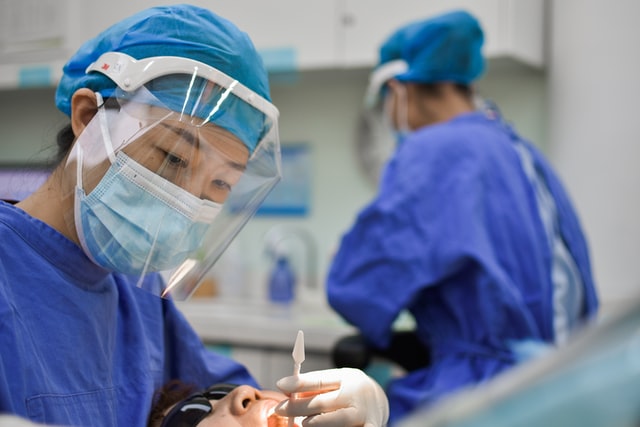
A straight, stable smile is not only about looks. It shapes how you eat, speak, and breathe each day. Regular visits to your orthodontist protect that strength. Skipping checkups can turn small problems into painful emergencies. Braces can break. Teeth can shift. Gums can swell. You deserve care that stays ahead of trouble. A trusted Zionsville orthodontist watches for early warning signs and makes small changes before you feel something is wrong. This steady care can shorten treatment time. It can also reduce cost and stress. Each visit checks three things. Are your teeth moving as planned. Are your gums and jaw healthy. Are your daily habits helping or hurting your progress. These visits give you clear answers and simple steps. You leave with less fear and more control over your health.
1. Faster treatment and fewer surprises
Orthodontic treatment works through steady, guided pressure. Teeth move a small amount at a time. Regular visits keep that movement on track.
- Your orthodontist checks if the teeth moved as planned since the last visit.
- Small changes in wires or aligners keep pressure safe and steady.
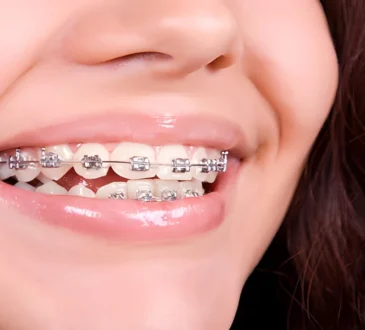
- Loose brackets, bent wires, or cracked aligners get fixed before they stall progress.
Without these visits, teeth can drift in the wrong direction. That can stretch treatment time. You may need extra months in braces or more sets of aligners. You also face more risk of pain from pressure in the wrong places.
The Centers for Disease Control and Prevention notes that regular dental care lowers the risk of disease and tooth loss. Consistent orthodontic visits build on that same idea. Short, steady checkups prevent long, harsh corrections later.
2. Healthier gums and cleaner teeth
Braces and aligners create new hiding spots for food and plaque. That buildup can cause swollen gums and early cavities. Regular visits give you a safety check.
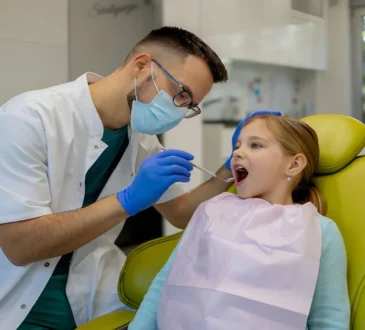
During each appointment, your orthodontist will
- Look for red, puffy, or bleeding gums.
- Check for white spots on teeth that can mark the start of decay.
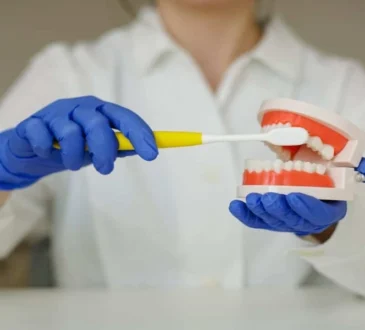
- Review how you brush and floss around brackets or aligners.
Then you get clear steps to protect your mouth. You may get a new toothbrush style, a floss threader, or a water flosser tip. You might also hear that you need shorter snacks with less sugar.
Healthy gums grip teeth with strong support. That support makes tooth movement smoother and safer. The National Institute of Dental and Craniofacial Research explains that gum disease can lead to loose teeth. Regular orthodontic visits help spot warning signs early so your mouth stays strong through treatment and after.
3. Better bite and less strain on your jaw
Orthodontic care is not only about straight teeth. It also shapes how your upper and lower teeth meet. That meeting point affects how you chew, swallow, and rest your jaw.
During visits your orthodontist will
- Check how your teeth come together when you bite.
- Watch how your jaw moves when you open and close.
- Look for wear marks on certain teeth that show extra stress.
Then, treatment steps adjust your bite so pressure spreads across many teeth. This balance can
- Lower the risk of cracked or worn teeth.
- Reduce jaw fatigue during meals.
- Ease stress in the muscles around your face and neck.
When your bite works well, simple acts like chewing a carrot or reading aloud feel easier and quieter in your body.
4. Lower cost and fewer emergencies
Regular visits cost time and money. Yet skipping them often costs more. Small repairs caught early stay simple. Repairs found late can need extra visits, extra tools, or even repeat treatment.
Here is a simple comparison of common situations.
|
Issue |
With regular visits |
With skipped visits |
|---|---|---|
|
Loose bracket |
Fixed during routine check. Little or no extra cost. |
Bracket breaks off. Tooth drifts. Extra visit and repair. |
|
Poor brushing |
Early warning. Coaching. Change in tools. |
White spots and early decay. Possible fillings. |
|
Aligner not worn enough |
Spotted by slow movement. Schedule and habits reset. |
Teeth off track. Extra aligners needed. |
|
Jaw discomfort |
Small bite change or lighter wire. |
Worsening pain. Possible need for extra tests. |
Consistent care also cuts down on late-night emergencies. Many urgent wire and bracket issues start as small, painless changes. Regular checks catch them before they turn sharp or break free.
5. Stronger habits and confidence for life
Orthodontic visits give you more than hardware checks. They shape habits that last long after braces come off.
At each visit you
- Practice how to clean around braces or aligners.
- Hear honest feedback about what is working and what is not.
- Set clear goals for the next few weeks.
This steady pattern teaches three core habits.
- Daily care. You learn to brush and floss with care and speed.
- Body awareness. You notice grinding, clenching, or nail biting that harms teeth.
- Follow through. You keep appointments and wear devices as directed.
When treatment ends, these habits stay with you. You keep a cleaner mouth. You respond faster to small problems. You feel more sure during school, work, and family photos. A smile that feels strong can lift your voice and your presence in quiet yet powerful ways.
Making the most of each visit
You can turn each appointment into a clear step toward your goal smile. To get the most benefit, you can
- Write down questions about pain, rubbing spots, or worry about how teeth look.
- Bring your aligners, rubber bands, or headgear to every visit.
- Share any changes in health or medicines with your orthodontist.
Then you and your orthodontist can adjust your plan together. You stay part of every choice. That shared control lowers fear and builds trust.
Regular visits to your orthodontist protect more than teeth. They guard comfort, time, and money. They also build habits that support your health for years. When you keep those visits, you give your future self a strong, steady smile that feels safe and ready for daily life.