
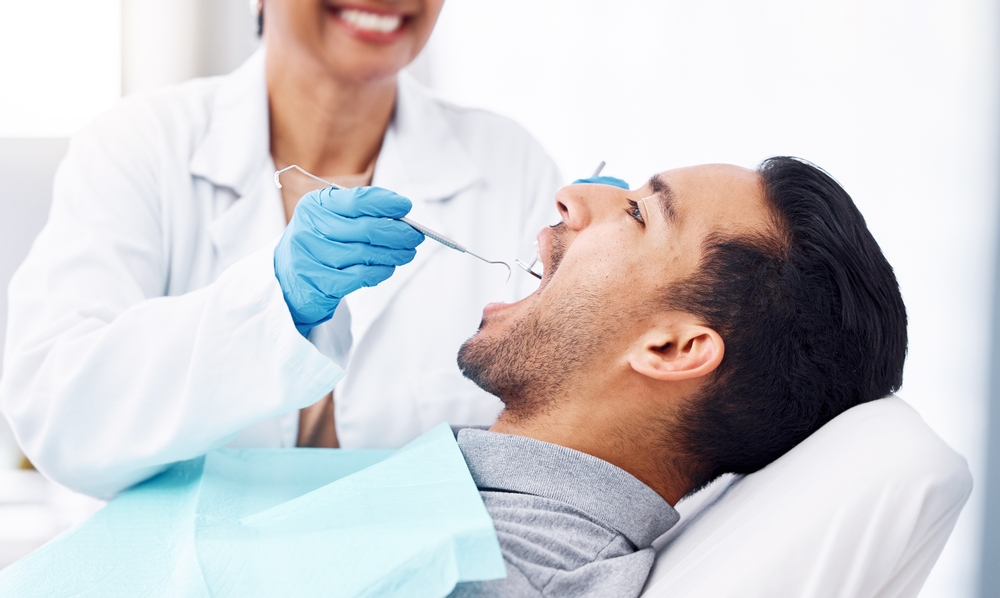
Speech and chewing shape daily life. When teeth or jaws do not line up, you may feel strain with every word and every bite. A Jamestown, ND Orthodontist can guide you through changes that help your mouth work with less effort and more control. Braces and clear aligners do more than straighten teeth. They can reduce lisping, stop teeth from biting the cheeks, and support a stronger, cleaner bite. This brings calmer meals, clearer words, and less tension in your jaw and neck. You deserve to eat without fear of pain. You deserve to speak without shame or hesitation. Orthodontic care respects that need. It focuses on three core goals. It improves how your teeth meet. It supports the tongue and lips during speech. It protects your jaw joints from strain. The result is a quieter body and a stronger voice.
1. Straighter teeth can sharpen speech sounds
Many sounds depend on where your tongue touches your teeth. When teeth tilt or crowd, the tongue loses a clear target. Then sounds like S, Z, T, D, and TH can blur or whistle.
Aligned teeth give the tongue a steady surface. You gain better control of airflow and contact. Over time, the brain adapts. You form clearer words with less effort.
Common speech concerns linked to tooth position include three patterns.
- Lisping on S and Z sounds
- Whistling through gaps between front teeth
- Muffled sounds when teeth crowd and block space
Orthodontic treatment does not replace speech therapy. Yet it can remove physical blocks that hold you back. A clear path in the mouth makes practice with a speech therapist more effective and steady.
2. A balanced bite can protect chewing and swallowing
Your bite is how your upper and lower teeth meet when you close your mouth. When that meeting is uneven, your jaw muscles work harder to grind food. You may chew on one side only. You may swallow large pieces that strain your throat and stomach.
Aligned bites support three basic chewing steps.
- Cutting food with front teeth
- Grinding food with back teeth
- Moving food with the tongue toward the throat
Overbites, underbites, open bites, and crossbites can disrupt each step. For example, an open bite can prevent front teeth from touching. Then you may bite noodles or lettuce with your lips instead of your teeth. This can feel awkward and unsafe.
Orthodontic treatment can bring teeth into contact so they share the work. This can reduce choking risk and gas from poor chewing. It can also shorten meal times and lessen jaw fatigue.
3. Jaw alignment can reduce pain and strain
When the jaw joint sits out of line, muscles in the face and neck must work harder to close the mouth. You may feel clicking, popping, or locking when you open wide. You may also feel pain near the ears or at the base of the skull.
The National Institute of Dental and Craniofacial Research explains that jaw joint problems can be linked to tooth clenching, uneven bites, or injury. You can read more at this NIDCR resource on TMJ disorders.
Orthodontic treatment can ease strain on the joint by guiding the jaws into a more stable position. This can help you:
- Chew longer without pain
- Open and close your mouth more smoothly
- Lower tension in the neck and shoulders
Reduced pain can also change how you speak. When the jaw moves with less fear of a sharp jolt, you may speak with a steadier rhythm and clear volume.
4. Better spacing can improve cleaning and oral health
Crowded teeth trap food in tight corners. Wide gaps let food press into the gums. Both patterns can cause soreness, bleeding, and infections. Those problems can make chewing painful. They can also change the way you shape sounds because you avoid sore spots.
Aligned teeth are easier to brush and floss. The Centers for Disease Control and Prevention notes that healthy gums and teeth support speaking, smiling, and chewing across the lifespan. You can review their guidance at the CDC oral health overview.
With straighter teeth, you can more easily:
- Slide floss without cutting the gums
- Reach all sides of each tooth with a brush
- Clear food from the back molars where chewing starts
Cleaner teeth reduce cavities, gum disease, and infections. This leads to more stable chewing power and less need for future dental work that can interrupt speech.
5. Orthodontics can support confidence in social moments
Speech and chewing are public acts. You use them at the table, in class, at work, and in close relationships. When you worry that others will notice a lisp, a click, or a messy bite, you may speak less. You may avoid shared meals. You may cover your mouth and hide your smile.
Orthodontic care can support a calmer mind by:
- Reducing food getting stuck in visible gaps
- Lessening drooling or spraying during speech
- Helping lips close more fully at rest
This can help children speak up in class. It can help adults feel safer during interviews and meetings. Trust in your mouth can spread into other parts of life.
Common bite problems and everyday impact
The table below shows how common bite patterns can affect daily tasks and how orthodontic care can help.
|
Bite pattern |
Possible impact on speech |
Possible impact on chewing |
How orthodontics may help |
|---|---|---|---|
|
Overbite |
Lisp on S and Z sounds |
Front teeth wear faster |
Brings front teeth into a more even meeting |
|
Underbite |
Distorted T, D, and TH sounds |
Front teeth struggle to bite into foods |
Guides lower jaw back for a more balanced bite |
|
Open bite |
Air escapes through the opening, and blurs sounds |
Hard to bite noodles, lettuce, or sandwiches |
Closes the gap so front teeth can meet |
|
Crossbite |
Jaw shifts during speech |
Chewing on one side only |
Lines up upper and lower teeth to share the load |
|
Crowding |
Limited tongue space for clear sounds |
Food traps between teeth and hurts gums |
Creates space so teeth stand in a cleaner line |
When to ask about orthodontic care
Children and adults can both gain from orthodontic treatment. You may wish to ask for an evaluation if you notice three or more of these signs.
- Speech sounds that do not improve with practice
- Chewing only on one side of the mouth
- Frequent biting of cheeks or tongue
- Jaw pain, clicking, or locking
- Food getting stuck in the same spots each day
- Breathing through the mouth most of the time
A licensed orthodontist can review your teeth, jaws, and facial growth. You can then discuss choices such as braces, clear aligners, or other tools. You can also ask about working with a speech therapist or nutrition expert. That team can support both speech and chewing in a steady way.
Moving toward calmer speech and safer chewing
Speech and chewing should feel natural. They should not feel like a constant fight. Orthodontic care offers a path toward a mouth that works with you, not against you. With straighter teeth, a more balanced bite, a supported jaw joint, and cleaner gums, you can speak and eat with less fear and less strain.
You deserve clear words at school, at work, and at home. You also deserve meals that bring comfort instead of pain. Orthodontics cannot fix every problem, yet it can remove many barriers that stand between you and those simple needs.