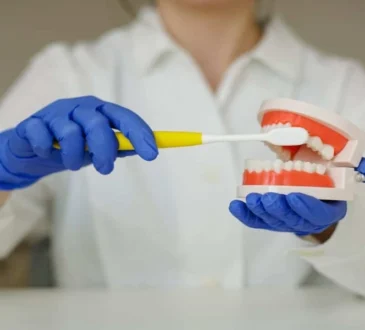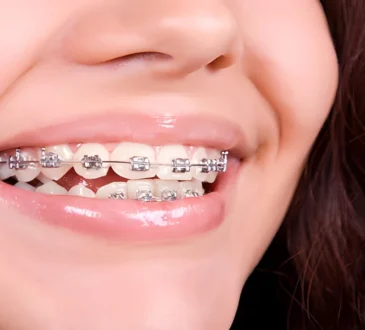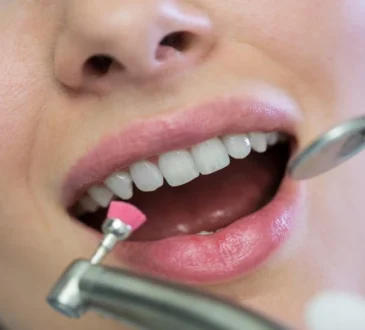

Your smile makeover does not start in a cosmetic chair. It starts in general dentistry. Before you think about whitening, reshaping, or porcelain veneers Manhattan, your teeth and gums need to be healthy and clean. General dentistry finds decay, gum disease, grinding, and bite problems early. Then it fixes them. This first step protects you from pain, infection, and costly repairs later. It also gives cosmetic treatments a strong base, so they last longer and feel natural. You learn howthe way you brush, floss, and eat affects every cosmetic choice. You also get clear answers about what your mouth can handle and what it cannot. General dentistry turns guesswork into a step-by-step plan. It keeps your health first. It also helps your new smile look real, feel comfortable, and stay strong.
Why health comes before looks
Every smile makeover rests on three things.
- Healthy gums
- A stable bite
If any of these pieces are weak, cosmetic work can crack, stain, or fail. The Centers for Disease Control and Prevention explains that untreated cavities and gum disease are common in adults of all ages. When these problems stay hidden, they grow under crowns, veneers, and bonding. Then repair turns into removal.
General dentistry slows that slide. It finds soft spots in your enamel. It measures your gums. It checks how your teeth meet when you chew. This gives you a clear picture. You see what needs care now and what can wait. Cosmetic choices then become safer and less stressful.
What general dentistry includes
General dentistry covers the care you need most often. It includes three main parts.
- Checkups and cleanings. These visits spot early decay and clean off plaque and tartar.
- Restorative care. Fillings, simple crowns, and root canal treatment repair damaged teeth.
- Gum care. Deep cleanings and home care plans control gum disease.
The National Institute of Dental and Craniofacial Research explains that gum disease is linked to heart disease and diabetes. When you treat your gums before cosmetic work, you protect more than your smile. You protect your whole body.
How general dentistry shapes your makeover plan
Routine care does more than fix problems. It guides your choices. During checkups, your dentist collects key facts.
- Number and size of fillings
- Amount of healthy enamel left
- Gum depth and bleeding
- Bite balance and jaw pain
- Grinding or clenching signs
These details shape your makeover plan. For example, if you grind your teeth, thin veneers may chip. You may need a different material or a night guard first. If your gums bleed, the whitening gel can sting and slow healing. Treating gum disease first makes whitening more comfortable.
Comparing general dentistry and cosmetic dentistry
You may wonder how general care and cosmetic care fit together. The table below shows key differences and how they support each other.
Steps before whitening and veneers
Before you brighten or reshape your smile, expect three clear steps.
Step 1. Full exam and cleaning
- Review your health history and medicines
- Take x rays if needed
- Check gums for swelling and pocket depth
- Clean away plaque and tartar
This visit sets your starting line. It shows stains from coffee or tobacco. It also shows dark spots from decay that whitening cannot fix.
Step 2. Repair and gum treatment
- Fill cavities
- Repair broken teeth
- Treat gum disease with deep cleaning or medicine
- Address grinding with a guard if needed
These steps protect you during cosmetic care. Tooth whitening on teeth with untreated decay can cause sharp pain. Veneers on teeth with active gum disease can trap bacteria. Fixing problems first prevents these setbacks.
Step 3. Plan your smile makeover
- Set clear goals for color, shape, and tooth length
- Review options like whitening, bonding, or veneers
- Discuss costs, time, and care needs
Your dentist can show you what is safe and what is risky. You then choose a plan that respects your health and your budget.
How routine habits protect your future smile
Your daily habits decide how long your smile makeover lasts. General dentistry gives you a simple home plan built on three actions.
- Brush two times each day with fluoride toothpaste
- Clean between your teeth once each day with floss or a cleaner
- Limit sugary drinks and snacks
Regular checkups every six months support these habits. If you have a history of decay or gum disease, your dentist may suggest more frequent visits. This keeps small issues from growing. It also protects veneers, bonding, and crowns from early failure.
When to talk with a dentist about a smile makeover
You do not need perfect teeth to start this talk. You only need a clear wish to change your smile and a plan to protect your health. You might bring up a makeover if you notice three things.
A general dentist can walk with you from that first uneasy talk through each step of care. The path starts with health. Then it moves to color and shape. This order keeps you safe. It also gives your new smile strength and staying power for daily life.