
Plasma donation plays a critical role in medical treatments, helping patients with immune deficiencies, clotting disorders, and other health conditions. California, with its diverse population and numerous donation centers, offers ample opportunities for individuals to contribute to this lifesaving process. Despite its importance, many potential donors have questions about plasma donation in California. Understanding the process, requirements, and benefits can help individuals make informed decisions about donating.
What Is Plasma Donation and Who Can Donate?
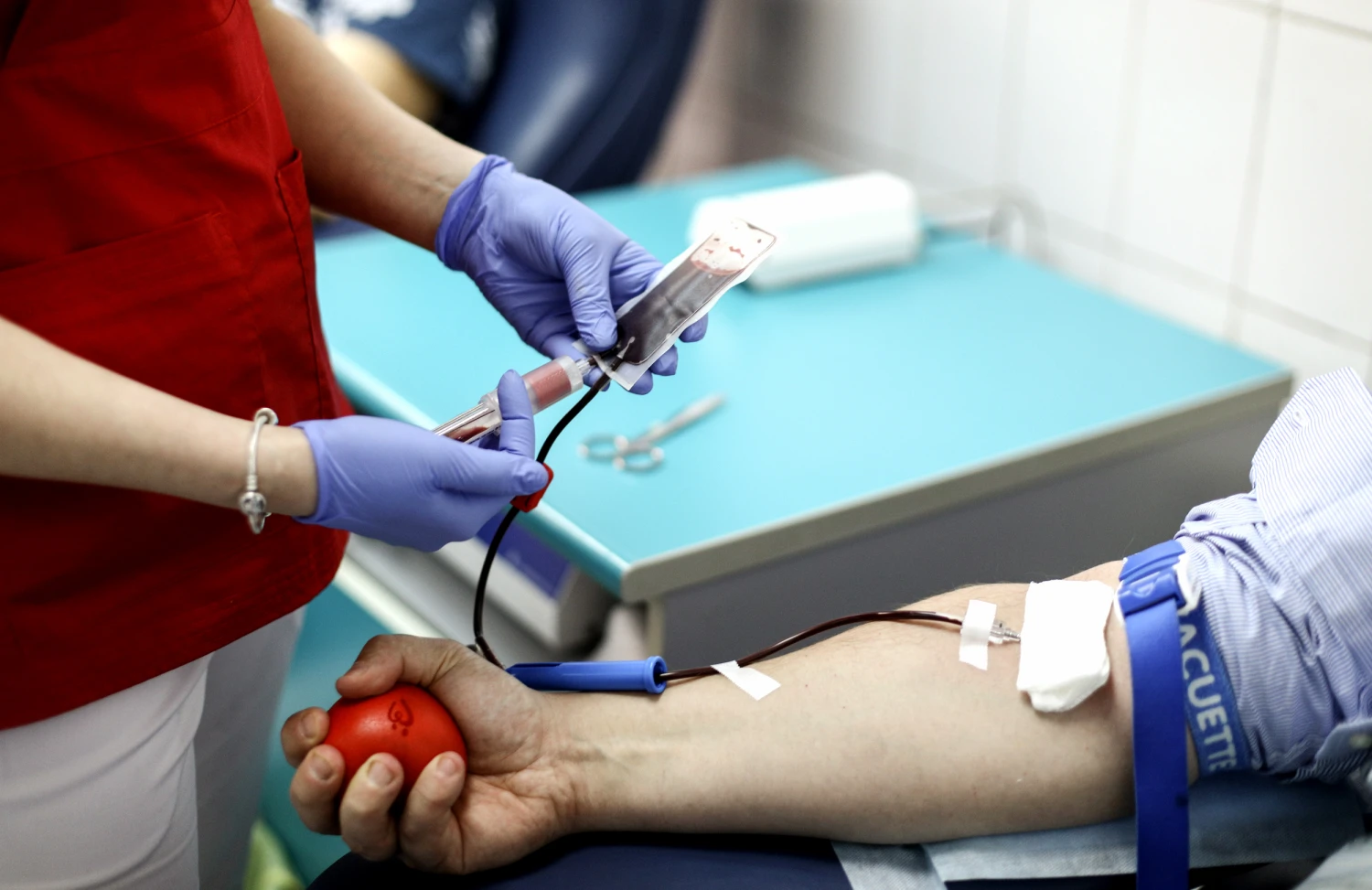
Plasma donation is the process of collecting the liquid portion of blood, which contains proteins, antibodies, and clotting factors essential for medical therapies. Unlike whole blood donation, plasma donation involves separating plasma from other blood components and returning red blood cells and platelets to the donor. This process is known as plasmapheresis and typically takes longer than a standard blood donation, usually between 45 minutes to an hour.
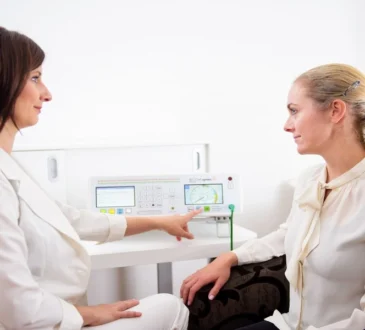
Eligibility for plasma donation in California is guided by both federal regulations and state-specific policies. Donors must be in good health, meet minimum age requirements, and weigh at least 110 pounds. Certain medical conditions, medications, or recent surgeries may temporarily or permanently disqualify a person from donating. Plasma donation centers in California conduct thorough health screenings, including blood pressure checks, hemoglobin tests, and medical history reviews, to ensure the safety of both donors and recipients.
First-time donors are often given additional guidance to understand the procedure and what to expect during their visit. Experienced donors may benefit from regular donations, as plasma replenishes more quickly than whole blood, allowing some individuals to donate multiple times per month. Understanding the eligibility criteria and commitment involved helps prospective donors prepare and feel confident in their decision.
How Safe Is Plasma Donation in California?
Safety is a primary concern for anyone considering plasma donation in California. Donation centers follow strict guidelines established by the Food and Drug Administration (FDA) and the American Association of Blood Banks (AABB) to ensure a safe experience. Sterile, single-use equipment is used for each donation, minimizing the risk of infection or contamination.
During the donation, staff monitor the donor for any signs of discomfort, dizziness, or other reactions. Most donors experience only mild effects, such as slight fatigue or bruising at the insertion site, which typically resolve within a day. Plasma centers also provide guidance on hydration, diet, and post-donation care to reduce side effects and support donor health.
California’s regulatory framework ensures that plasma donation centers maintain high standards for cleanliness, equipment maintenance, and staff training. Regular inspections and compliance checks help uphold these standards, providing donors with reassurance that their contribution is safe and professionally managed. By following recommended procedures and guidelines, plasma donation remains a secure way to support patients in need.
What Are the Benefits of Donating Plasma in California?
Plasma donation offers benefits for both recipients and donors. The most obvious impact is the lifesaving effect on patients who rely on plasma-derived therapies. These therapies are crucial for individuals with immune deficiencies, hemophilia, and other conditions that require regular plasma infusions. Each donation contributes to a supply that can improve or save lives, highlighting the social and humanitarian importance of plasma donation in California.
Donors may also experience personal benefits. Some centers provide financial compensation or gift incentives to acknowledge the time and commitment involved in donating plasma. Regular donation may also encourage donors to maintain healthy habits, such as proper nutrition, hydration, and regular medical checkups, supporting overall well-being. Additionally, the knowledge that one’s contribution directly helps patients fosters a sense of fulfillment and social responsibility.
Participating in plasma donation programs can also raise awareness about the importance of blood components in medical care. By donating in California, individuals help maintain a steady supply for hospitals, clinics, and research facilities, contributing to the broader healthcare ecosystem. The benefits extend beyond immediate recipients, supporting medical research, emergency preparedness, and community health initiatives.
How to Prepare for Your First Plasma Donation
Preparation is key to a smooth and successful plasma donation experience in California. Donors are advised to eat a healthy meal and drink plenty of water before their appointment, as proper nutrition and hydration help prevent lightheadedness and improve overall comfort. Wearing comfortable clothing with sleeves that can be easily rolled up facilitates access to veins during the procedure.
It is also important to bring valid identification and any necessary medical documentation to the donation center. Understanding the donation process, potential side effects, and recovery recommendations helps set realistic expectations. Staff at plasma centers are available to answer questions, provide reassurance, and guide first-time donors through each step, ensuring a positive experience.
After the donation, donors should continue to stay hydrated, avoid strenuous activities for a few hours, and monitor for any unusual symptoms. Following these post-donation guidelines helps ensure safety and promotes faster recovery. Experienced donors often develop a routine that optimizes their comfort and efficiency during each visit, making the process easier and more rewarding over time.
By understanding the answers to these frequently asked questions, individuals can make informed decisions about plasma donation in California. Awareness of eligibility, safety measures, benefits, and preparation steps empowers prospective donors to participate confidently in a process that has significant health and societal impacts. Donating plasma is not only a generous act but also a practical way to support healthcare systems and contribute to the well-being of countless patients.
Plasma donation centers in California are committed to creating a welcoming and safe environment for all donors. From thorough health screenings to professional guidance and ongoing support, these centers ensure that the donation process is efficient, comfortable, and impactful. Prospective donors who take the time to understand the process and follow recommended practices are well-positioned to contribute meaningfully while maintaining their own health and safety.
Overall, plasma donation in California is a vital and accessible way to help those in need. By addressing common questions, educating donors, and emphasizing safety and preparation, individuals can approach plasma donation with confidence. Each donation contributes to a life-saving supply of plasma, offering hope and treatment to patients across the state and beyond. Engaging in plasma donation not only supports individual recipients but also strengthens the broader healthcare network, making a lasting difference in the community.