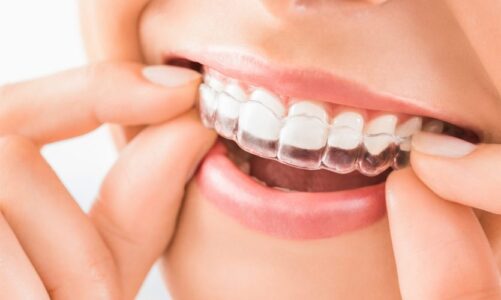
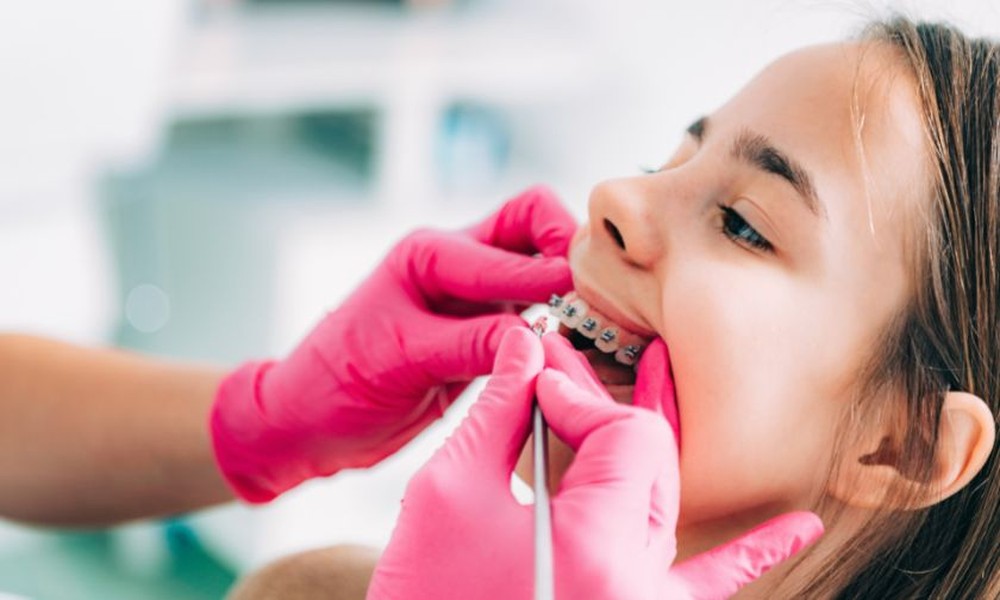
Braces, aligners, and new smiles can shake a teen’s world. Teeth shift. Routines change. Confidence can rise or fall fast. You may worry about pain, school photos, or what peers might say. Your teen might not share those fears, yet still feel them every day. Orthodontic treatment is not only about straighter teeth. It is also about identity, comfort, and control. As a parent or caregiver, you guide how your teen handles this change. Clear support can turn stress into steady progress. This guide offers five direct tips to help you respond with patience, structure, and strength. You will learn how to talk about treatment, handle discomfort, and protect your teen’s self respect. You will also see how care like cosmetic dentistry in Norfolk, MA can fit into the larger story of growing up with a changing smile.
Tip 1: Talk honestly about fear, pain, and body image
Teens notice every change in their faces and bodies. Brackets and trays sit in the center of that focus. You can name that truth out loud. That helps your teen feel less alone.
Use clear, short questions.
- “What worries you most about your braces right now”
- “When does your mouth hurt the most”
- “What do you wish other people understood”
Then listen without quick fixes. You can say:
- “That sounds heavy. I hear you.”
- “You do not have to pretend this is easy.”
- “We will get through this step by step.”
Next, keep your tone calm. Avoid jokes about looks or future beauty. Those comments can feel sharp, even if you mean comfort. Focus on health, function, and your teen’s effort, not appearance.
Tip 2: Build simple routines that protect the mouth
Orthodontic care needs steady cleaning and follow through. Teens often feel pulled in many directions. Clear routines reduce stress and missed care.
You can set three daily anchors.
- Morning brushing and flossing before phones or games
- After school cleaning to clear snack debris
- Night brushing and aligner or retainer check
The Centers for Disease Control and Prevention explains that strong daily oral care cuts tooth decay and gum disease. Orthodontic hardware traps food. That raises risk. Simple routines protect both treatment progress and long term health.
Also, post appointment dates where your teen can see them. Use a wall calendar, not only a phone. That visual cue keeps treatment from becoming an afterthought.
Tip 3: Prepare for common discomforts with a plan
Adjustments and new trays can hurt. Your teen may feel sore, tired, and short on patience. You cannot erase that pain. You can reduce the shock with a clear plan.
Before each adjustment, talk through three supports.
- Soft foods for 24 to 48 hours
- Over the counter pain relief if the orthodontist allows
- Wax for rough brackets and wires
Here is a simple comparison table you can share with your teen. It shows common issues and actions.
|
Common issue |
What it feels like |
What you can do |
|---|---|---|
|
Soreness after adjustment |
A dull ache when biting |
Use soft foods. Take approved pain relief. Rinse with warm salt water. |
|
Rubbing on cheeks or lips |
Small cuts or raw spots |
Place orthodontic wax. Call the office if spots bleed or spread. |
|
Loose bracket or wire |
Poking or moving hardware |
Cover with wax. Call the office at once. Do not bend the wire. |
|
Aligner tightness |
Pressure when inserting trays |
Seat aligners fully. Use chewies if provided. Give it a day or two. |
Next, remind your teen that discomfort often means teeth are moving as planned. That truth does not erase pain. It can give the pain a purpose.
Tip 4: Guard self respect at school and online
School hallways and social media can feel harsh. A small comment about braces can echo in a teen’s mind for weeks. You can help your teen build a simple response plan.
Work together on three short lines.
- “Yeah, they are braces. They help fix my bite.”
- “They come off later. My teeth will work better.”
- “I am not here to talk about my mouth.”
Practice these at home. Role play teasing and curious questions. Keep your voice steady and neutral. That rehearsal gives your teen a script when words freeze.
You can also set clear social media rules. No close up mouth shots without consent. No posts that mock someone’s teeth. That standard protects your teen and their peers. It teaches respect and empathy.
The National Institute of Mental Health shares that strong support systems help young people manage stress. Your calm presence and clear rules become part of that support.
Tip 5: Involve your teen in choices and next steps
Orthodontic treatment can feel forced. Many teens feel things are done to them, not with them. You can shift that feeling by sharing decisions when possible.
Invite your teen to help with three types of choices.
- Color of bands or style of case for aligners
- Preferred soft foods after visits
- Best days or times for future appointments
Later, as treatment ends, include your teen in talks about retainers, whitening, or other care. Some families explore options such as cosmetic dentistry after braces or aligners. That choice should respect your teen’s comfort, health needs, and budget.
Also, ask your teen what worked and what did not during treatment. Listen for clear patterns. Maybe morning appointments felt easier. Maybe text reminders helped more than paper notes. These lessons can guide future health care.
Closing: Stay steady, not perfect
Orthodontic transitions tug at schedules, moods, and money. You will make mistakes. You might snap during a busy morning or forget wax during a trip. That does not break your teen’s progress.
What matters most is a steady pattern.
- Honest talks about fear and change
- Simple routines that protect teeth and hardware
- Clear plans for pain, teasing, and next steps
Each visit and each small act of care shows your teen that their health matters. Your support helps turn a hard season into a story of strength and growth.