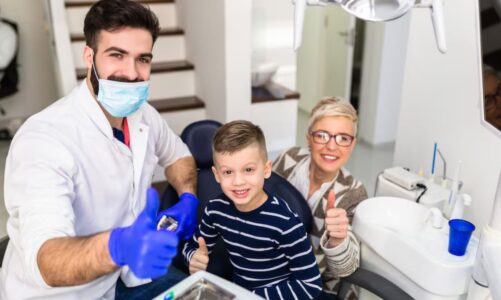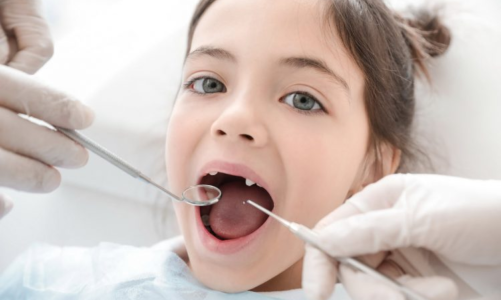

Taking your child to the dentist can stir up worry, confusion, and guilt. You want to protect their smile, yet every visit can raise new questions. You might ask how early to start checkups, how often to schedule cleanings, or what to do if your child fears the chair. You might wonder about X-rays, fluoride, or when braces may enter the picture. You may even hear terms like same day crowns San Jose and feel unsure what they mean for your family. This blog walks through five common questions parents ask about family dental visits. You get clear answers, plain language, and practical steps you can use right away. You will see what matters, what does not, and how to spot warning signs before they grow. You can guide your child through each visit with calm, steady confidence.
1. When should my child start seeing a dentist?
You should schedule the first visit by your child’s first birthday or within six months of the first tooth. That timing protects baby teeth and helps your child accept the dentist as a normal part of life.
During early visits, the dentist will usually:
- Look at gums, tongue, and teeth
- Check how the teeth come in
- Talk with you about brushing, diet, and thumb sucking
You stay in the room. You hold your child if needed. The goal is simple. Keep the visit short, calm, and safe.
You can read more about early visits from the Centers for Disease Control and Prevention.
2. How often do we really need checkups?
Most children need a checkup every six months. Some need visits more often if they get cavities, wear braces, or have medical conditions.
Regular visits help your child:
- Prevent cavities with cleanings and fluoride
- Catch small problems before they spread
- Build trust with the same team over time
Routine care is more effective after treatment. Clean teeth are easier to protect. You save time, money, and stress when you prevent problems instead of waiting for pain.
3. Are X-rays and fluoride safe for my child?
Parents often fear X-rays and fluoride. You want to avoid harm. You also want to avoid missed disease. You deserve clear facts.
Modern dental X-rays use very low radiation. Offices use shields and small digital sensors. The dentist only orders images when needed. The risk stays low while the benefit stays high.
Fluoride strengthens tooth enamel. It helps heal early weak spots before they turn into cavities. Professional fluoride treatments use controlled amounts. Children spit out extra gel or foam.
You can learn more from the National Institute of Dental and Craniofacial Research.
4. How do I handle my child’s fear of the dentist?
Fear is common. It can come from a past painful visit, fear of needles, or stories from others. You can lower fear with small, steady steps.
Before the visit, you can:
- Use simple, honest words
- Read a short children’s book about dental visits
- Practice at home by counting teeth with a spoon as a mirror
During the visit, you can:
- Stay calm and speak softly
- Ask the team to explain each step before they start
- Agree on a hand signal so your child can ask for a break
After the visit, praise effort, not “being brave”. You can say, “You opened your mouth even when you felt scared. That took strength.” That message sticks.
5. What treatments might my child need as they grow?
Your child’s needs change over time. You might see fluoride, sealants, fillings, same day crowns, or braces on a treatment plan. Each treatment has a clear purpose.
Common treatments include:
- Fluoride. Strengthens enamel and cuts cavity risk.
- Sealants. Thin coating on back teeth that blocks food and germs.
- Fillings. Repair small cavities and stop spread.
- Crowns. Protect weak or cracked teeth. Some offices offer crowns in one visit.
- Braces or aligners. Guide teeth into healthier positions.
Ask three key questions for any treatment.
- What happens if we wait
- What are the other options
- How long will the result last
Sample visit schedule by age
Every child is unique. Still, this sample schedule can give you a clear path.
|
Child’s age |
Typical visit focus |
Possible services |
|---|---|---|
|
1 to 2 years |
Getting used to the office. Checking first teeth. |
Exam. Simple cleaning. Fluoride if needed. |
|
3 to 5 years |
Preventing early cavities. Building good habits. |
Exam. Cleaning. Fluoride. Sealants on back teeth. |
|
6 to 11 years |
Watching new permanent teeth. Screening for crowding. |
Exam. Cleaning. X-rays when needed. Sealants. Fillings. |
|
12 to 17 years |
Managing braces. Protecting teeth during sports. |
Exam. Cleaning. X-rays. Orthodontic checks. Mouthguards. |
How you can prepare for each family visit
You can turn visits into a steady habit with three simple steps.
- Before. Write down questions. Pack a list of medicines. Help children brush and floss that morning.
- During. Ask the dentist to show you any problem spots in a mirror or on a screen. Take notes on next steps.
- After. Put the next visit on your calendar. Follow home care advice. Watch for pain, swelling, or broken fillings.
Your voice matters. You know your child’s fears, strengths, and routines. When you share that with the dental team, you help shape care that feels safe and steady for your whole family.